


Electric vs. Hydraulic Winches: Which is Best for Your Needs in the UK?
Electric and hydraulic winches can both provide dependable pulling power, but they suit different vehicles and working patterns. Electric winches are generally simpler to install and well suited to occasional or intermittent use. Hydraulic winches are usually the stronger choice for frequent, sustained and heavy-duty work, provided the vehicle or machine has a suitable hydraulic system.
This guide compares electric vs hydraulic winches for UK 4x4, agricultural, recovery and commercial applications so you can choose the right system rather than relying on pulling capacity alone.
Electric vs Hydraulic Winches: The Quick Answer
Choose an electric winch when straightforward installation, independent operation and occasional recovery or loading work are the priorities. Choose a hydraulic winch when the application involves regular use, longer pulls, heavier loads or an existing power take-off and hydraulic system.
- Electric winch: typically best for 4x4s, trailers, car transporters and intermittent recovery work.
- Hydraulic winch: typically best for professional recovery trucks, forestry, plant, agricultural and industrial machinery with suitable hydraulics.
Neither type is automatically better in every situation. Capacity, duty cycle, line speed, installation, available power and the resistance being overcome all matter.
How Does an Electric Winch Work?
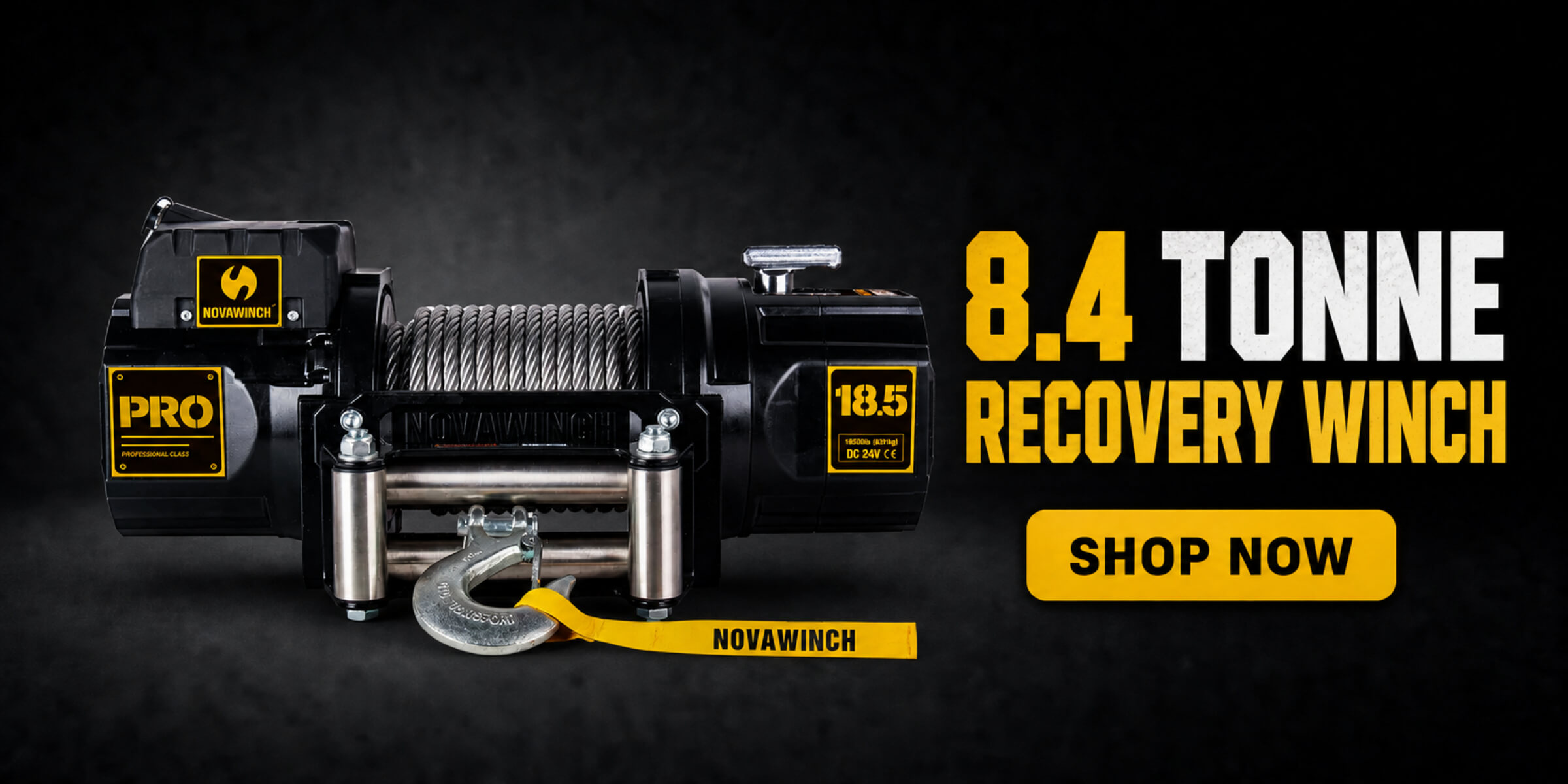
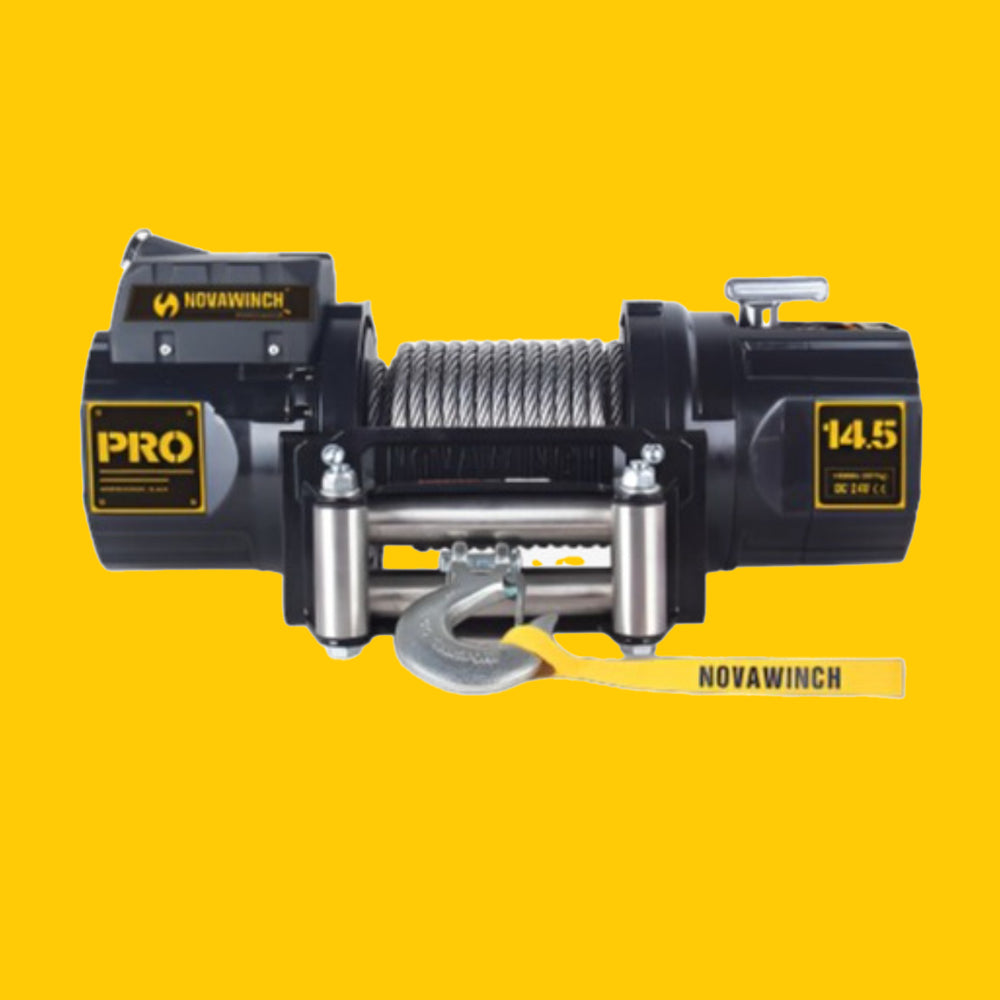
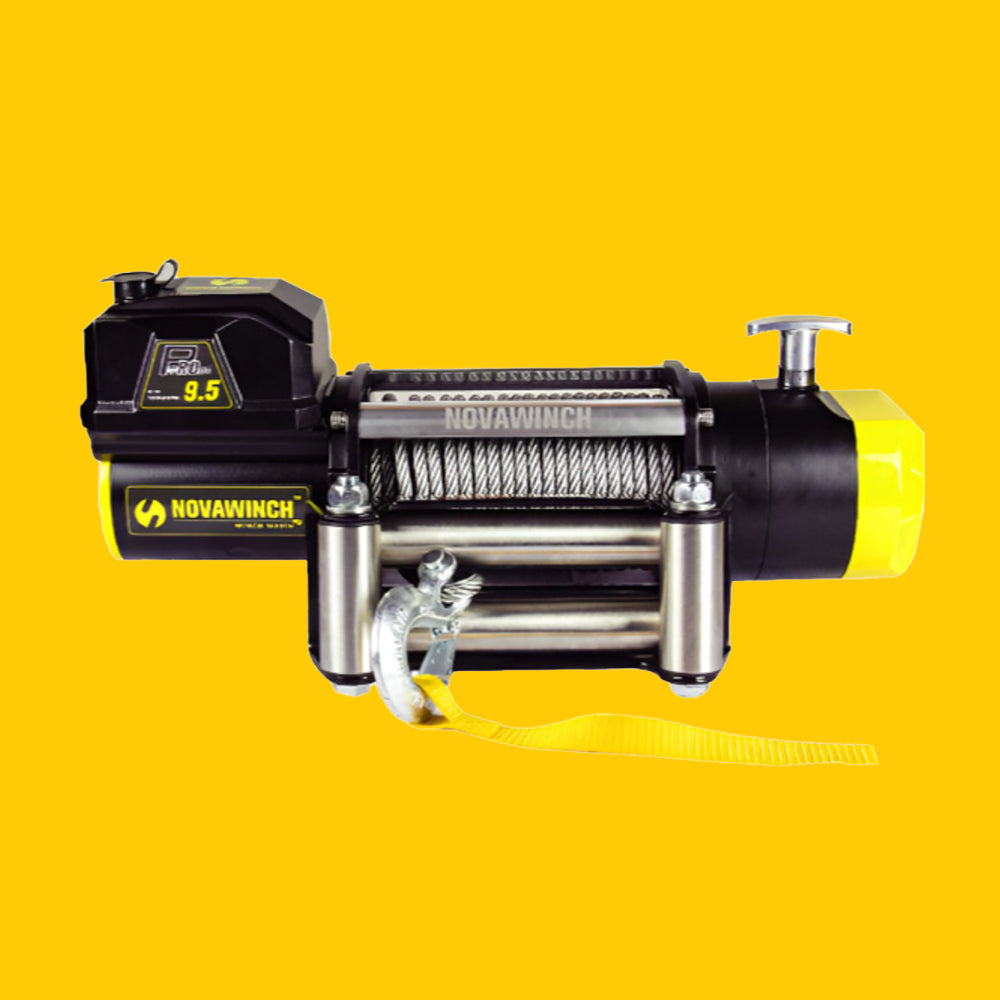
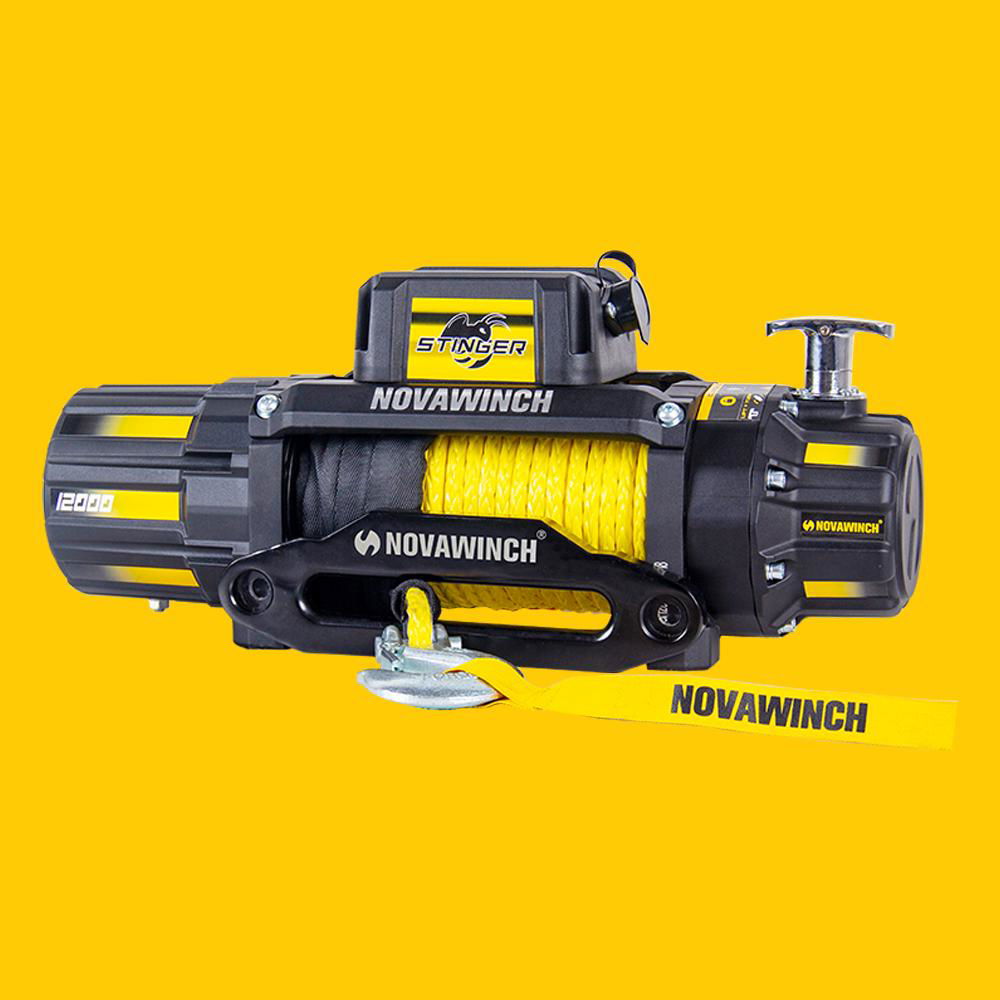
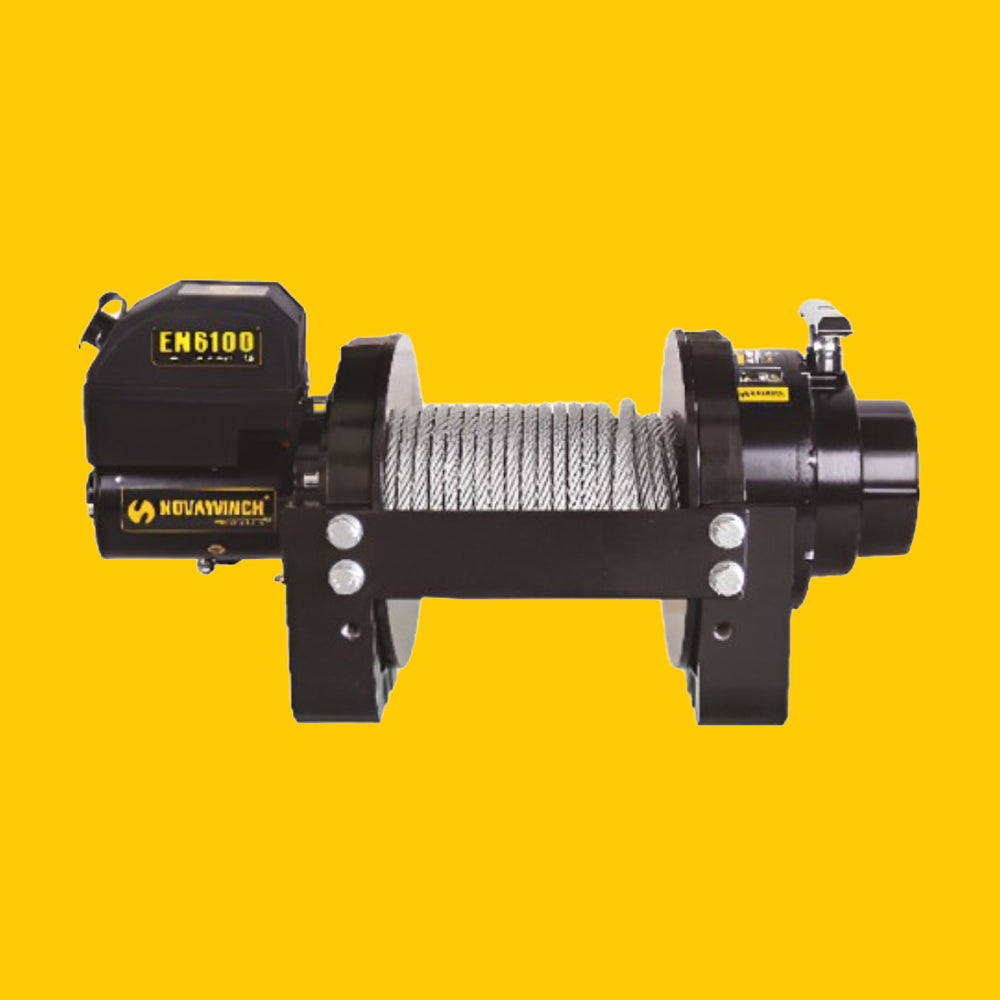
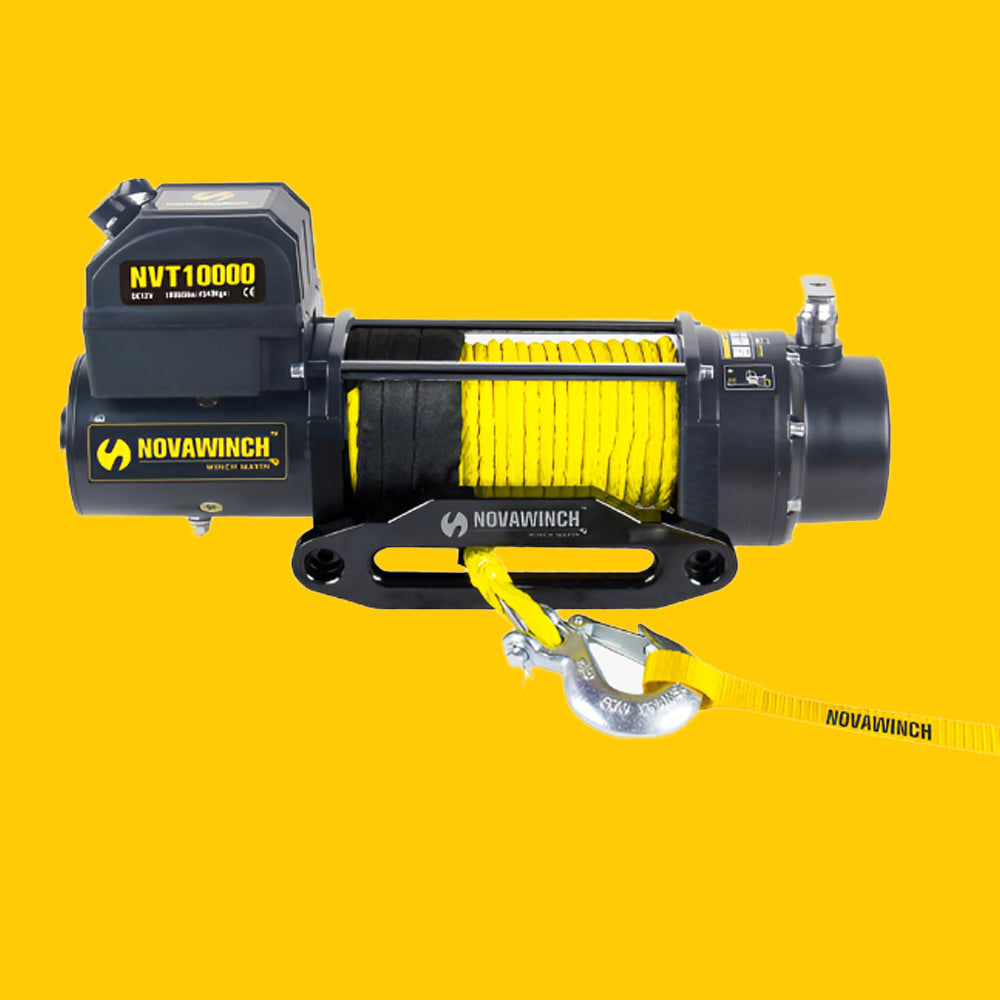
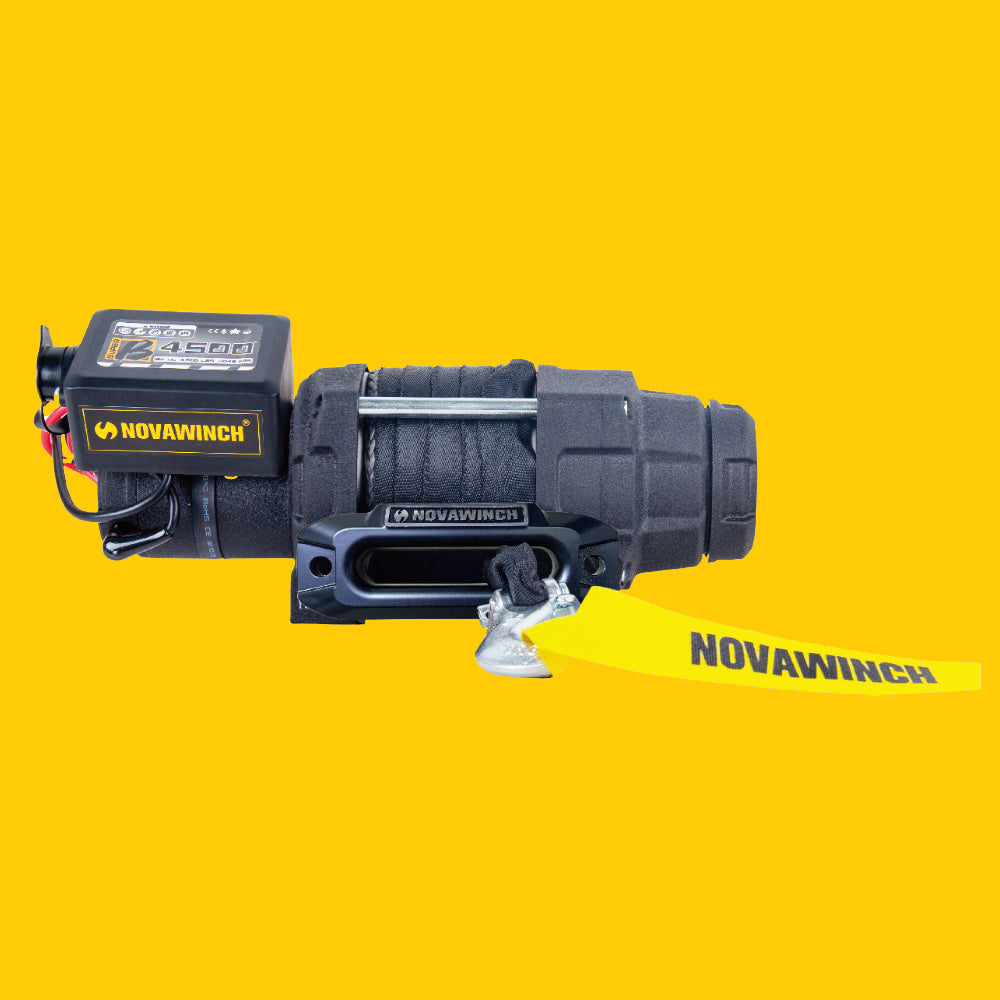
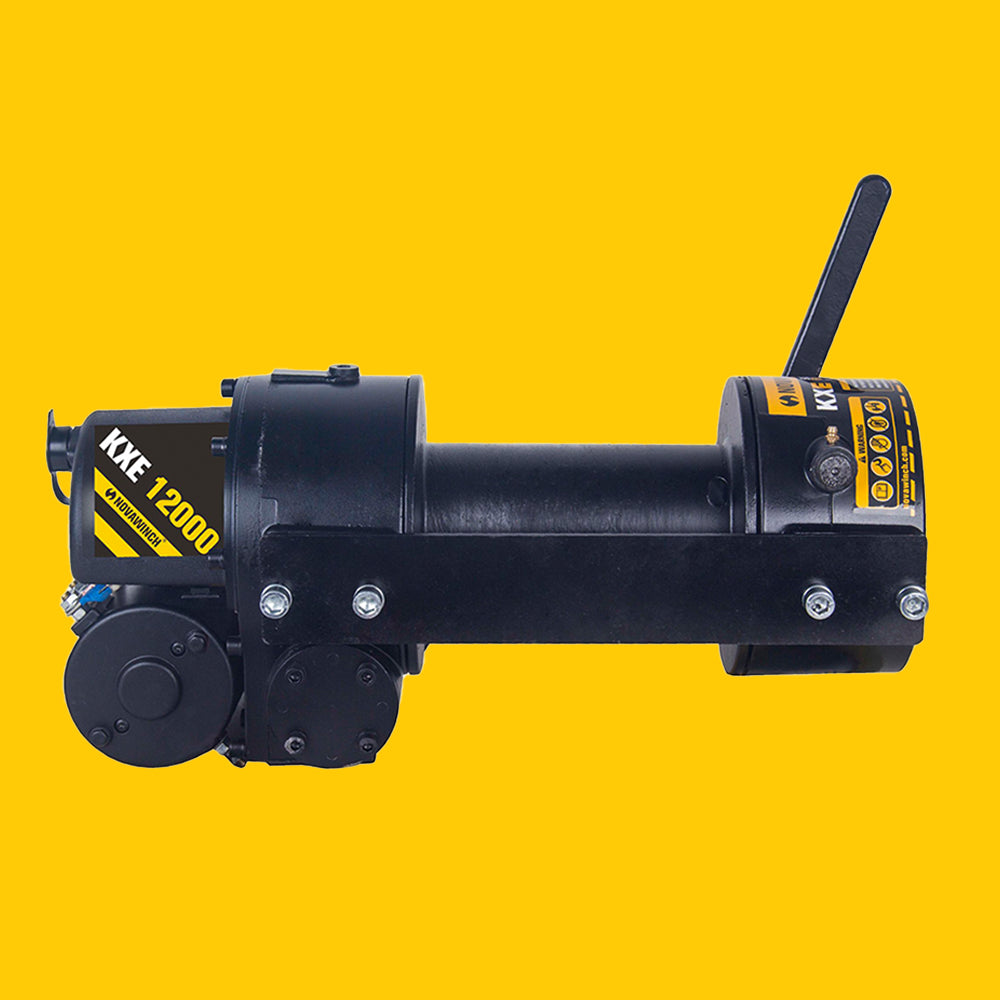
An electric winch uses a 12V or 24V DC motor powered by the vehicle's battery system. The motor drives the drum through a reduction gearbox, winding in the rope or cable. Controls may include a wired handset, wireless remote or in-cab switching, depending on the model and installation.
Electric winches are popular because they are self-contained and can often be fitted without adding a hydraulic pump, reservoir or control valve. However, a high-capacity winch can draw substantial current under load, so battery condition, alternator output, cable size, cable length and electrical connections are critical.
Advantages of Electric Winches
- Simpler installation: no hydraulic circuit is required.
- Broad vehicle compatibility: suitable models are available for 12V and 24V systems.
- Independent operation: the winch may operate briefly with the engine stopped, although prolonged use can quickly discharge the batteries.
- Convenient control: wired and wireless remote options are widely available.
- Good for intermittent work: a practical choice for occasional recovery, vehicle loading and off-road use.
If you are choosing between vehicle electrical systems, see our guide to 12V vs 24V winches.
Limitations of Electric Winches
The main limitation is electrical demand. Current draw rises as the load increases, and repeated or lengthy pulls can place significant strain on batteries, alternators, cables and terminals. Voltage drop caused by undersized cables or poor connections can reduce performance and generate heat.
Electric motors also have a duty cycle. They need time to cool during demanding work, so an electric winch should not be treated as capable of pulling continuously simply because its headline capacity is high. Always follow the manufacturer's operating and cooling guidance.
How Does a Hydraulic Winch Work?
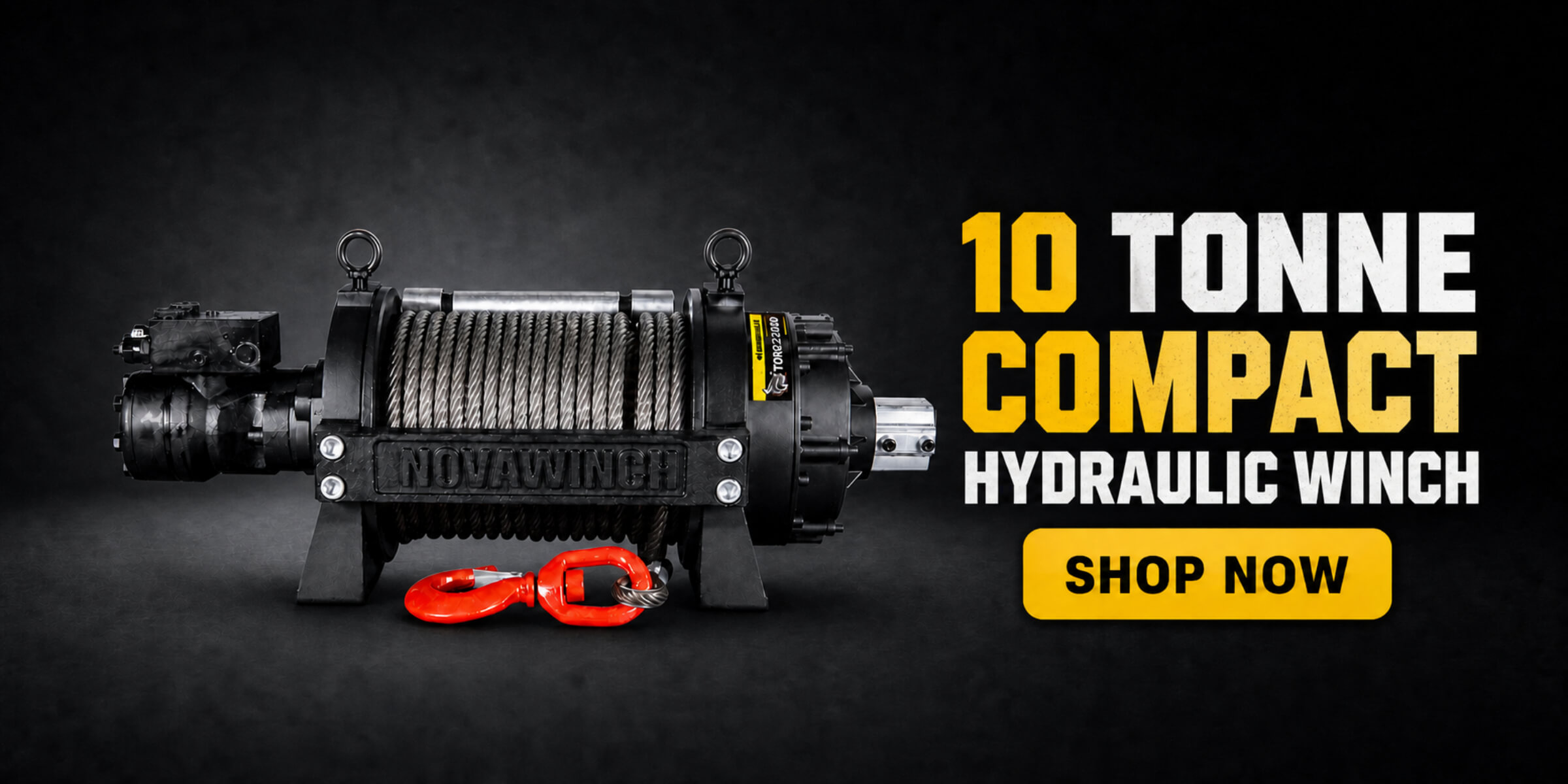
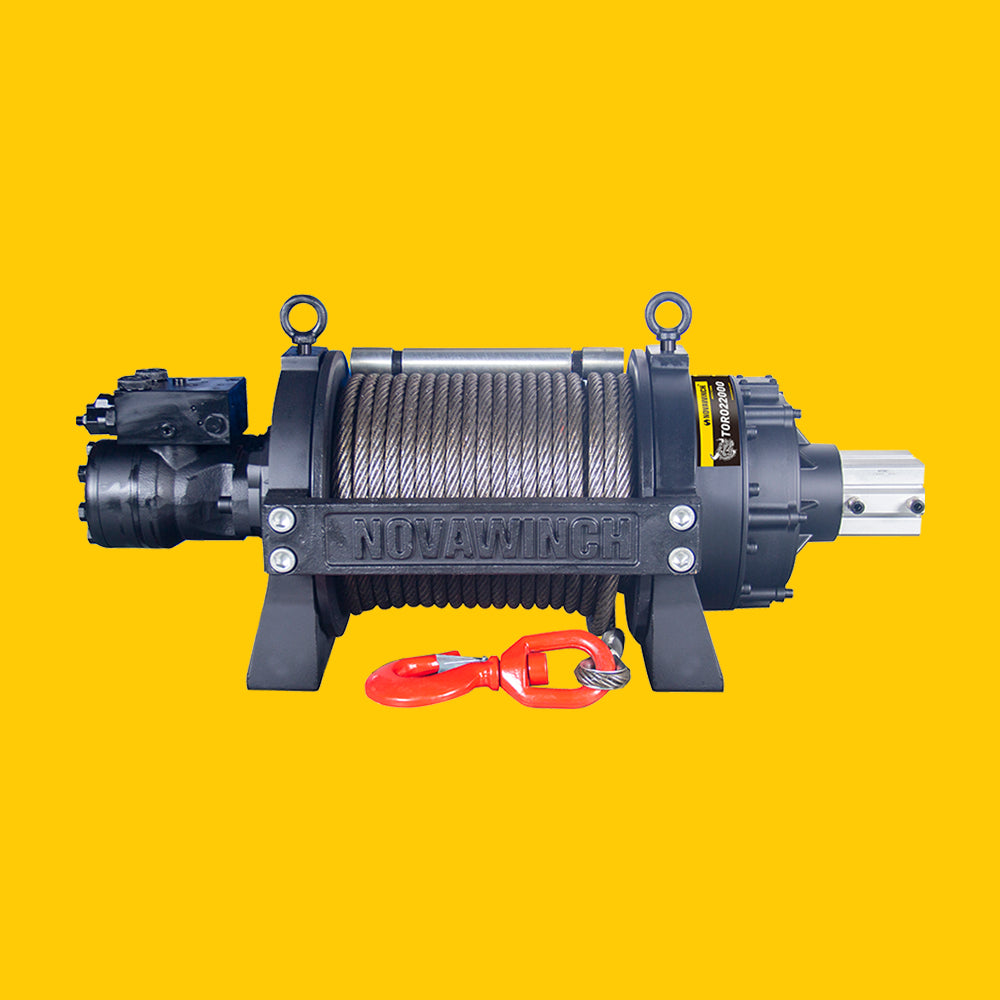
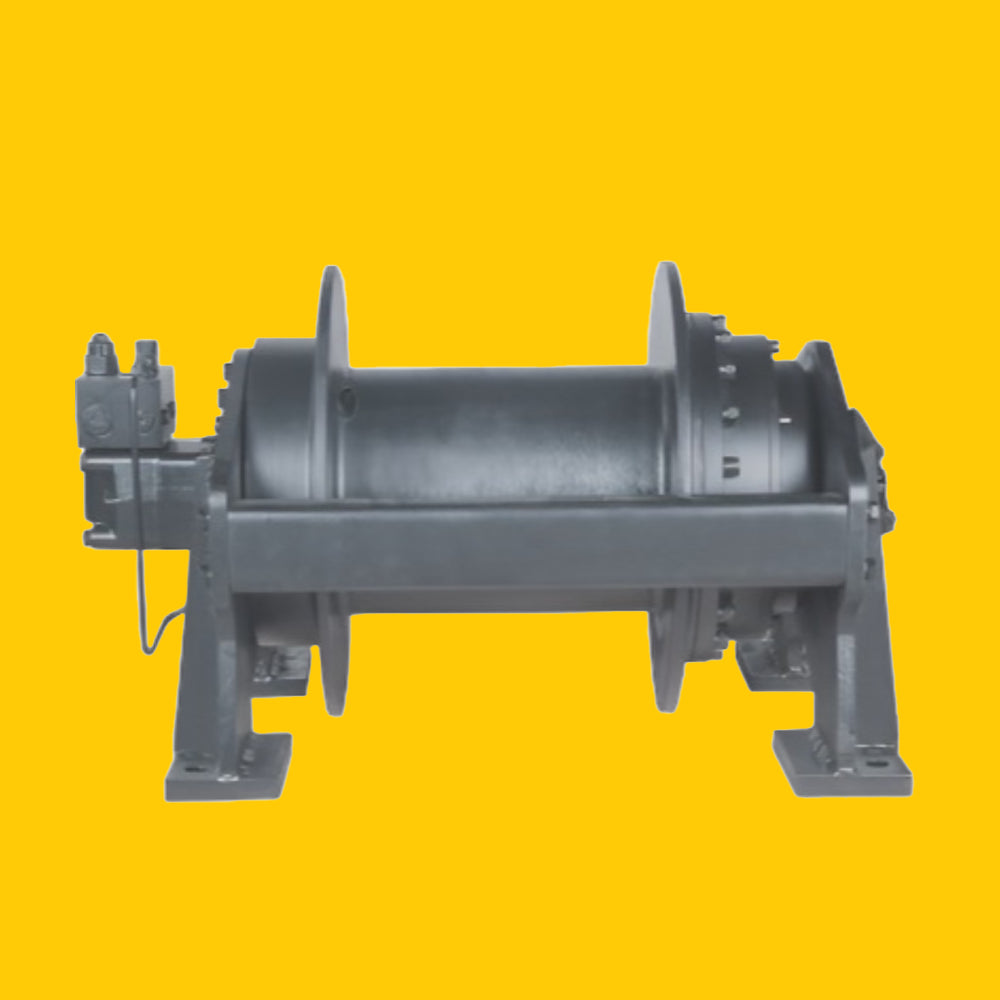
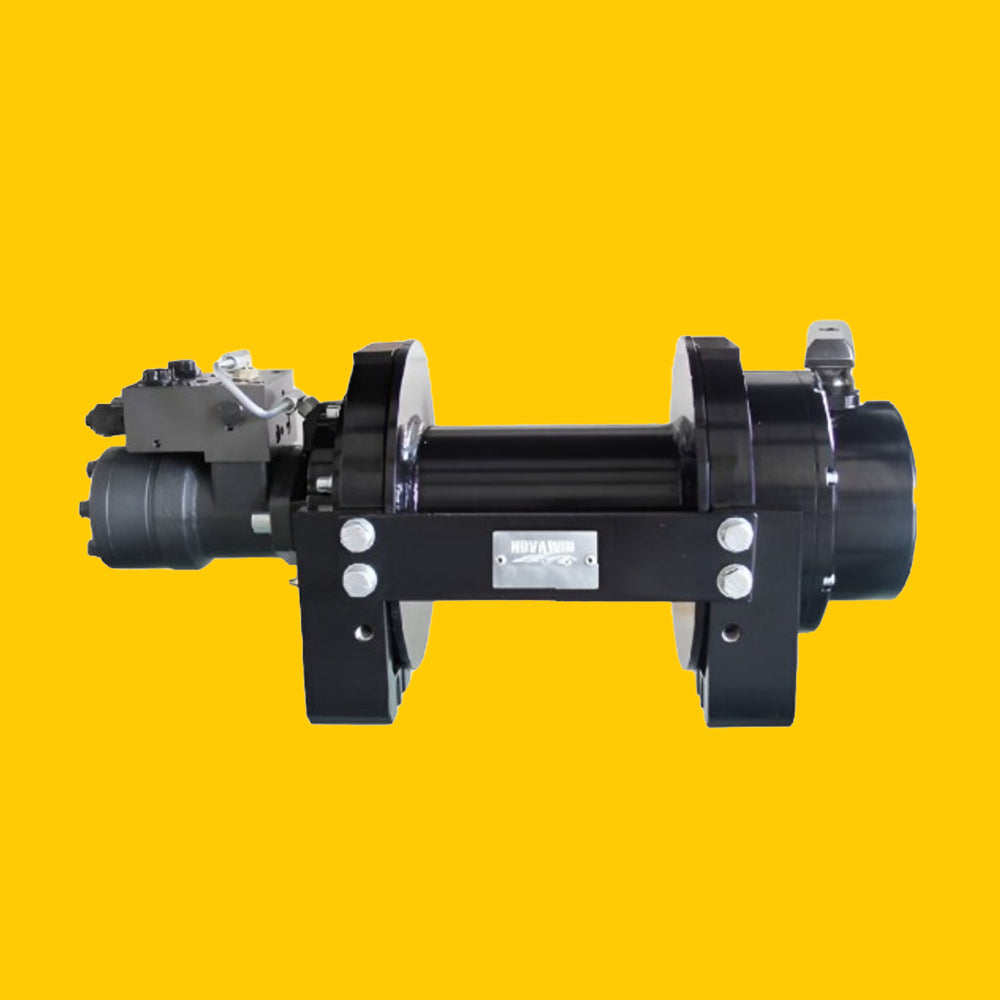
A hydraulic winch uses pressurised hydraulic fluid to drive a hydraulic motor, which turns the drum through its gearbox. On recovery vehicles and machinery, the hydraulic supply may come from a power take-off driven pump or an existing machine circuit.
Performance depends on the pressure and flow available to the winch. Pressure influences pulling force, while flow influences line speed. The pump, reservoir, valves, filtration, hoses and cooling arrangements must therefore be specified as a complete system.
Advantages of Hydraulic Winches
- Suited to sustained operation: appropriate hydraulic systems can support longer and more frequent pulls.
- Strong heavy-duty capability: hydraulic winches are widely used for professional recovery, plant and industrial applications.
- Reduced battery demand: the main pulling power comes from the hydraulic system rather than directly from the batteries.
- Controlled performance: a correctly designed circuit can provide smooth, predictable operation.
- Integration with working machinery: a logical option where suitable hydraulics are already available.
Limitations of Hydraulic Winches
Hydraulic installation is more involved. The host vehicle or machine needs a compatible pressure and flow supply, adequate oil capacity, correctly sized hoses, suitable control valves and effective filtration. Cooling may also be necessary for high-duty applications.
A conventional hydraulic winch normally depends on the engine and hydraulic pump running. Installation cost can be higher, and specification mistakes elsewhere in the circuit can prevent the winch from achieving its intended performance.
Electric vs Hydraulic Winches: Key Differences
Installation
Electric systems usually require a secure mounting structure, appropriately sized power cables, isolation and controls. Hydraulic systems add pump or PTO requirements, a reservoir, valves, hoses, filtration and potentially oil cooling.
Duty Cycle
Electric winches are often best suited to intermittent pulling with cooling periods. Hydraulic winches are generally better suited to repeated or extended use when the hydraulic system is correctly sized.
Line Speed
Do not compare only no-load speeds. Check line speed under realistic load. Electric speed varies with voltage and load; hydraulic speed depends substantially on available flow. In both cases, line speed also changes as rope builds on the drum.
Pulling Capacity
The advertised winch rating normally represents maximum line pull on the first drum layer. Pulling force reduces as additional layers build up. Our guide to winch line pull and drum layers explains why this matters when comparing models.
Cost
An electric winch can have a lower initial installation cost where the vehicle electrical system is already suitable. A hydraulic system may cost more to install but can be the more appropriate long-term solution for frequent professional use. Compare the complete installed system, not only the winch price.
Which Type Is Best for a 4x4 or Off-Road Vehicle?
For most 4x4 owners, an electric winch is the practical choice. It is compact, widely compatible and suitable for occasional self-recovery when correctly selected and installed. The vehicle still needs adequate battery capacity, charging performance and correctly sized cabling.
Hydraulic winches can suit specialist off-road vehicles that already have a suitable hydraulic system and require repeated use, but the additional installation complexity is rarely justified for ordinary recreational recovery.
Which Type Is Best for Farming, Forestry and Plant?
The answer depends on the machine and the workload. An electric winch may suit occasional use on a pickup, trailer or service vehicle. For tractors, forestry machines, excavators and other equipment with compatible hydraulics, a hydraulic winch may provide a better match for regular, demanding work.
Check that the machine can supply the pressure and flow required by the winch without compromising other functions. The mounting structure, anchoring method and complete load path must also be designed for the expected forces.
Which Type Is Best for Recovery Trucks?
Electric winches work well on many car transporters and recovery vehicles performing intermittent loading. A 24V system can be particularly relevant to commercial vehicles, but the battery bank, alternator and cables still need to support the winch's current demand.
Hydraulic winches become increasingly attractive as casualty weight, resistance, operating frequency and pull duration rise. Professional operators comparing the two systems should read our more focused guide to electric vs hydraulic winches for recovery trucks.
Winch type is only one decision. Capacity must match the realistic recovery resistance, not simply the casualty's vehicle weight. See what size winch a recovery truck needs for a fuller explanation.
Water Resistance and Maintenance
Neither power source removes the need for inspection and maintenance. Electrical connections need protection from corrosion and regular checking. Hydraulic hoses, fittings and seals must be inspected for damage and leaks, while fluid condition and filtration must be maintained.
Do not assume every electric or hydraulic winch is waterproof. Check the manufacturer's enclosure and ingress-protection information for the exact model. Our guide to winch IP ratings explains what those ratings do, and do not, tell you.
How to Choose Between Electric and Hydraulic
Before deciding, answer the following questions:
- What is the maximum realistic resistance the winch must overcome?
- How frequently and for how long will it operate?
- Does the vehicle use 12V or 24V, and can its electrical system support the current draw?
- Is a suitable hydraulic supply already available?
- What line speed is required under load?
- How much rope capacity is needed?
- Can the chassis and mounting structure safely carry the expected forces?
- Are the rope, fairlead, hooks, shackles and other rigging correctly rated?
- Will the winch be exposed to water, mud, salt or abrasive conditions?
- Who will install, inspect and maintain the complete system?
A well-matched electric winch is more useful than an unnecessarily complicated hydraulic installation. Equally, a hydraulic system designed for sustained work can be a better investment than repeatedly pushing an electric winch beyond its intended duty.
Explore Electric and Hydraulic Winches
Novawinch supplies electric and hydraulic winches for off-road, vehicle transport, professional recovery, agricultural and industrial applications. Browse our electric and hydraulic winch range, or contact Novawinch to discuss capacity, power supply, duty cycle and installation requirements.