%20(1).jpg)
.jpg)







£15.99
ex.VAT
was
£15.99Ifor Williams trailers are widely used across vehicle transport, plant, agricultural and commercial applications. An electric winch can provide controlled loading assistance for suitable trailers, particularly when moving cars, plant and other freely rolling equipment.
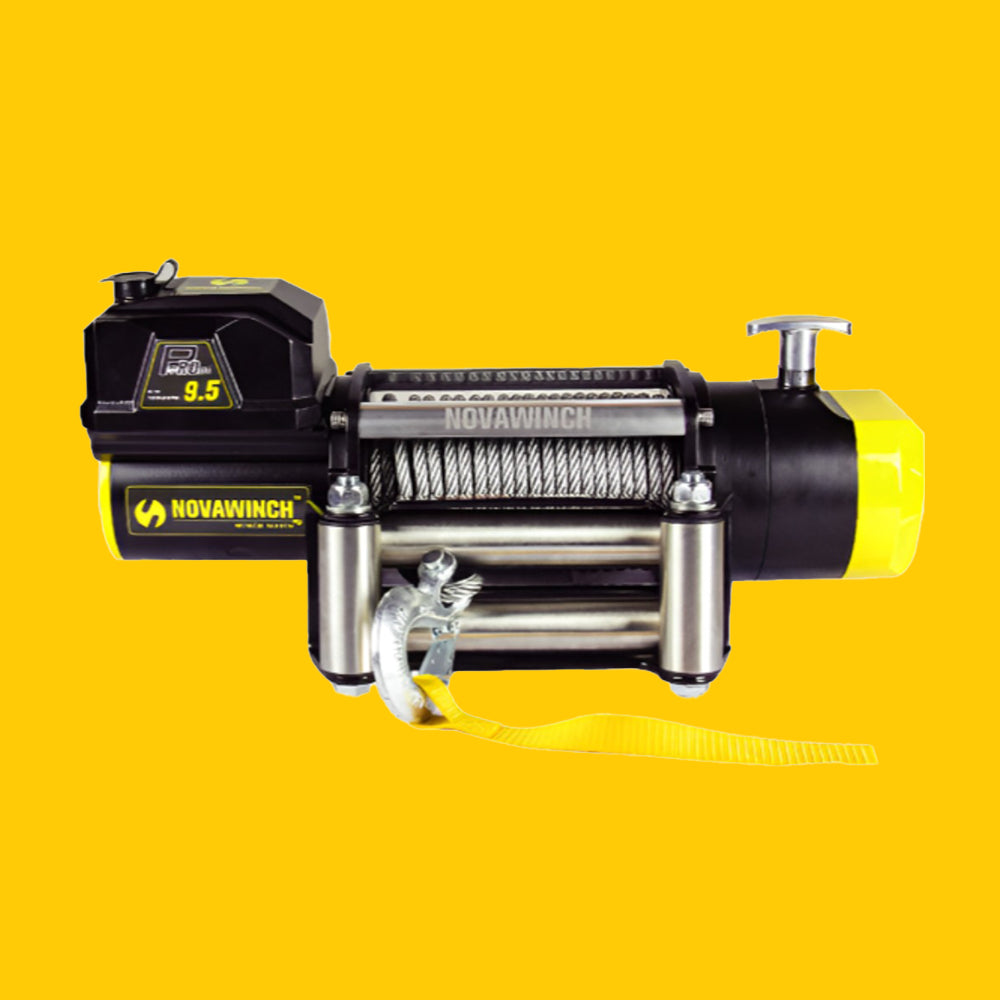
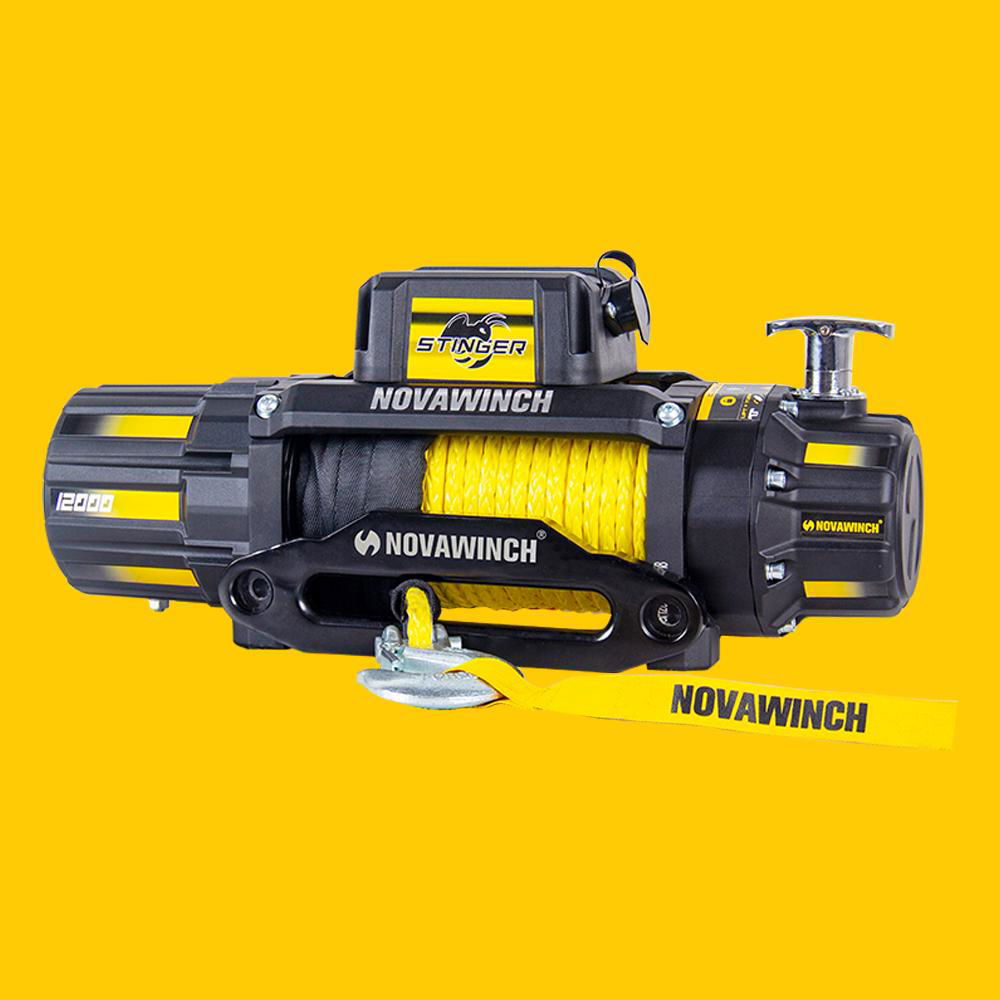
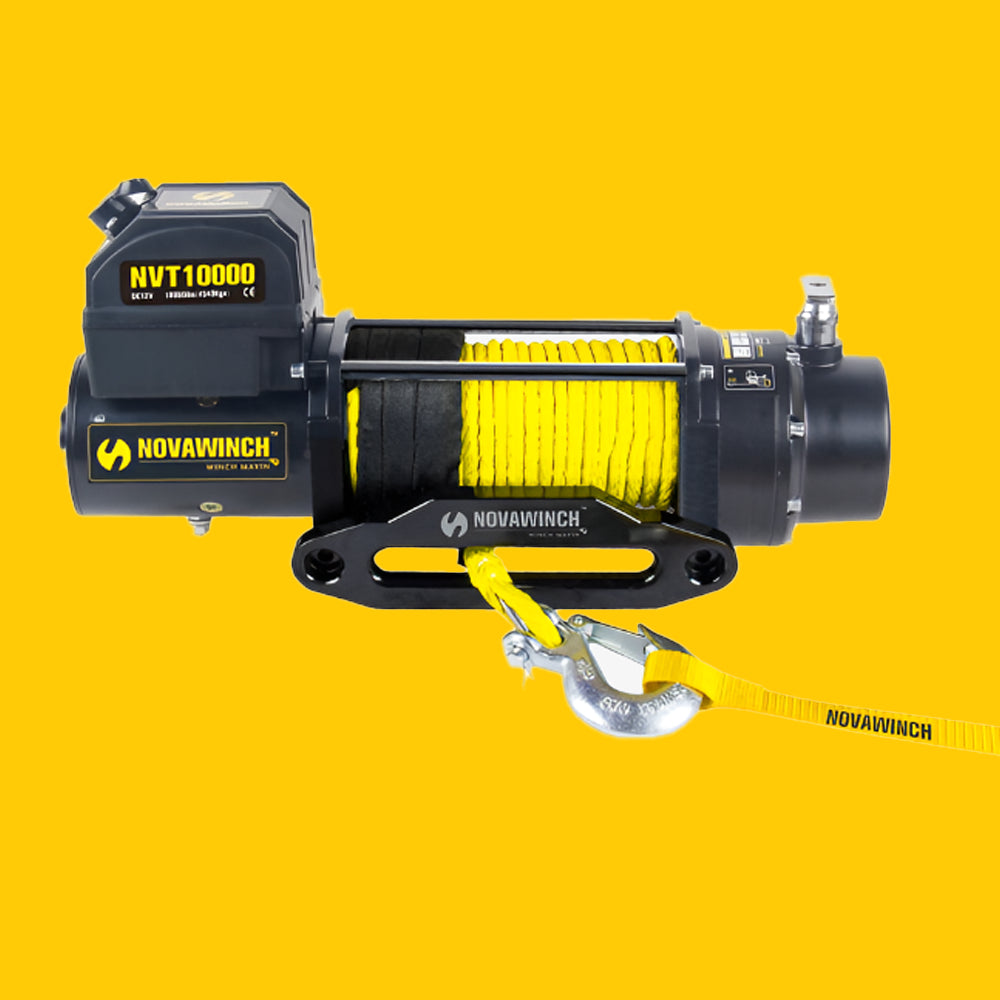
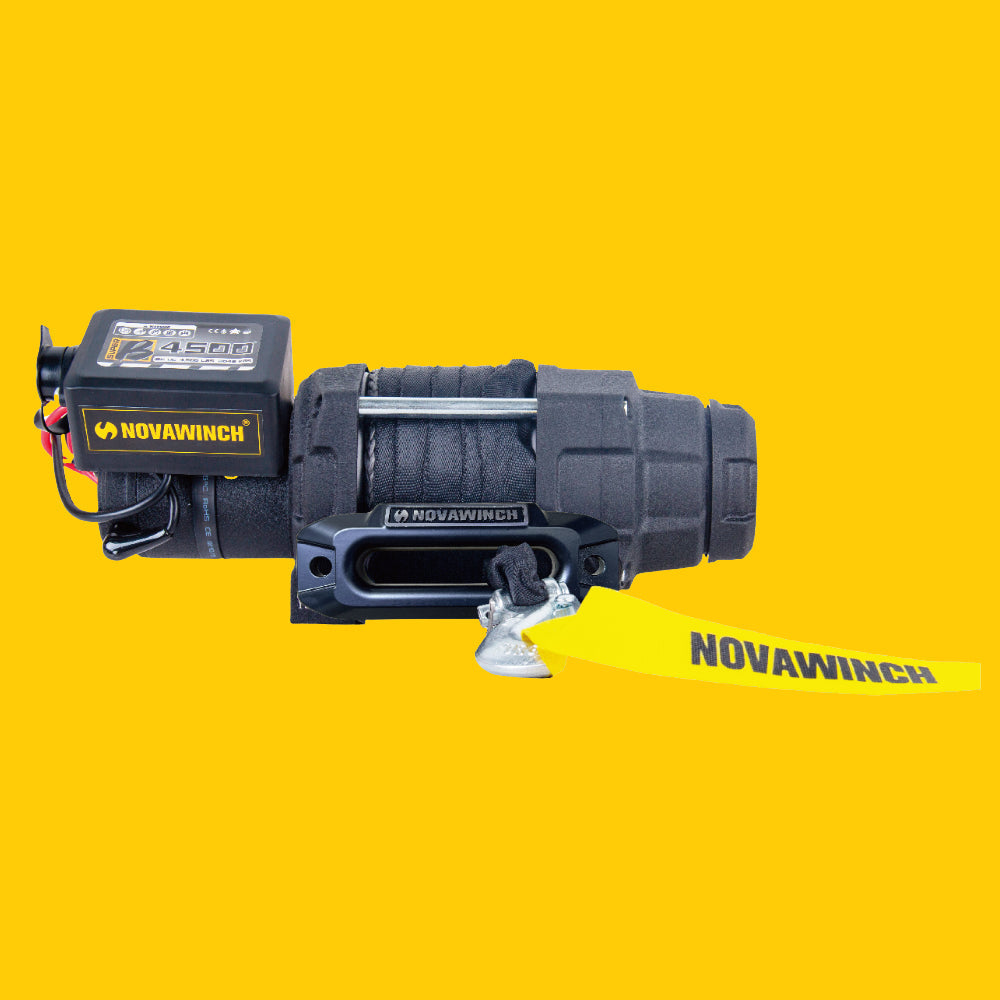
Novawinch offers a range of electric winches that may be suitable for selected Ifor Williams trailer installations, depending on the trailer model, mounting arrangement, electrical supply and intended load.
Compatibility should always be checked before replacing or modifying an existing trailer winch installation.
Winch selection should be based on the specific trailer and the load being moved rather than vehicle weight alone.
Important factors include:
Ifor Williams' own guidance calculates winch suitability around the maximum rolling load that can be pulled onto a particular trailer and ramp combination. Their documentation also specifies that their winch brackets and winches are intended for rolling loads, rather than vehicles whose wheels cannot rotate freely.
A 12V electric winch can be practical for many trailer applications, particularly where the trailer has a dedicated battery or suitable connection to the towing vehicle.
The complete electrical installation matters as much as the winch itself. Battery capacity, cable size, connections, isolation and charging arrangements should all be suitable for the current required under load.
Regular commercial use may require a more substantial electrical setup than occasional loading.
Ifor Williams has offered both manual and electric winch options for car transporter applications, including electric winches with power leads or dedicated battery arrangements.
For vehicle transport, consider:
A freely rolling vehicle generally places much less load on the winch than one with damaged tyres, locked brakes or accident damage.
Plant-loading applications can be more demanding because of machinery weight and loading conditions.
When using a winch to load suitable wheeled plant, consider the equipment's actual rolling resistance as well as its weight. Mud, flat tyres, damaged running gear or steep loading angles can substantially increase the required pulling force.
The trailer, winch bracket and mounting structure must all be appropriate for the loads involved.
Both options have advantages.
Synthetic rope is light and easier to handle, making it useful where operators frequently pull the line out manually.
Steel wire rope offers excellent abrasion resistance and remains common in commercial and plant environments.
Whichever option is used, it should be correctly matched to the winch and regularly inspected for wear or damage.
This section is particularly important on this page.
Ifor Williams states that its supplied winches are specified to work with its winch brackets and warns that other makes may not be compatible.
Before fitting an alternative electric winch, check:
If you are unsure, contact our team with the trailer model and details of the existing installation before ordering.
There is no single electric winch suitable for every Ifor Williams trailer.
The correct setup depends on the trailer, mounting system, load, ramp angle and electrical arrangement.
Browse our range of electric winches for trailer applications above, or contact the Novawinch UK team for help identifying a suitable option for your setup.
Potentially, but compatibility depends on the specific trailer, winch bracket, bolt pattern and electrical setup. Ifor Williams recommends using winches specified for its brackets and warns that incompatible alternatives may affect warranty, so fitment should be checked before installation.
The correct size depends on the trailer, ramp angle and maximum rolling load. Ifor Williams determines winch capacity based partly on the maximum rolling load that can be winched onto each trailer and ramp combination, so trailer-specific requirements should be checked rather than relying on a single vehicle-weight rule.
Yes, suitable electric winch systems are used on car transporter applications, and Ifor Williams has offered electric winch options with either power leads or dedicated battery arrangements. Compatibility with the individual trailer still needs to be confirmed.
You should be cautious. Ifor Williams' own winch guidance says its winch systems and brackets are rated for rolling loads and are not intended for vehicles whose wheels do not rotate freely.
Synthetic rope is lighter and easier to handle, while steel wire offers excellent abrasion resistance. The best option depends on the operating environment and the specification of the winch.
Not always. Some trailer installations use power leads from the towing vehicle, while others use a dedicated trailer-mounted battery. The electrical system should be capable of supplying the winch under load and should be installed appropriately for the intended use.