%20(1).jpg)
.jpg)








£15.99
ex.VAT
was
£15.99The rope or cable on your winch is the single most critical point of contact during a heavy recovery. Over time, UV exposure, mud abrasion, and heavy tension will degrade even the highest quality lines. Whether you are replacing a frayed steel cable on a commercial tow truck or upgrading your weekend off-roader, Novawinch supplies premium replacement lines engineered for absolute safety and maximum breaking strain.
Choosing the right replacement line comes down to matching the material, diameter, and length to your specific winch capacity and application.
If you are replacing an old line, you have two distinct paths, each designed for a completely different environment:
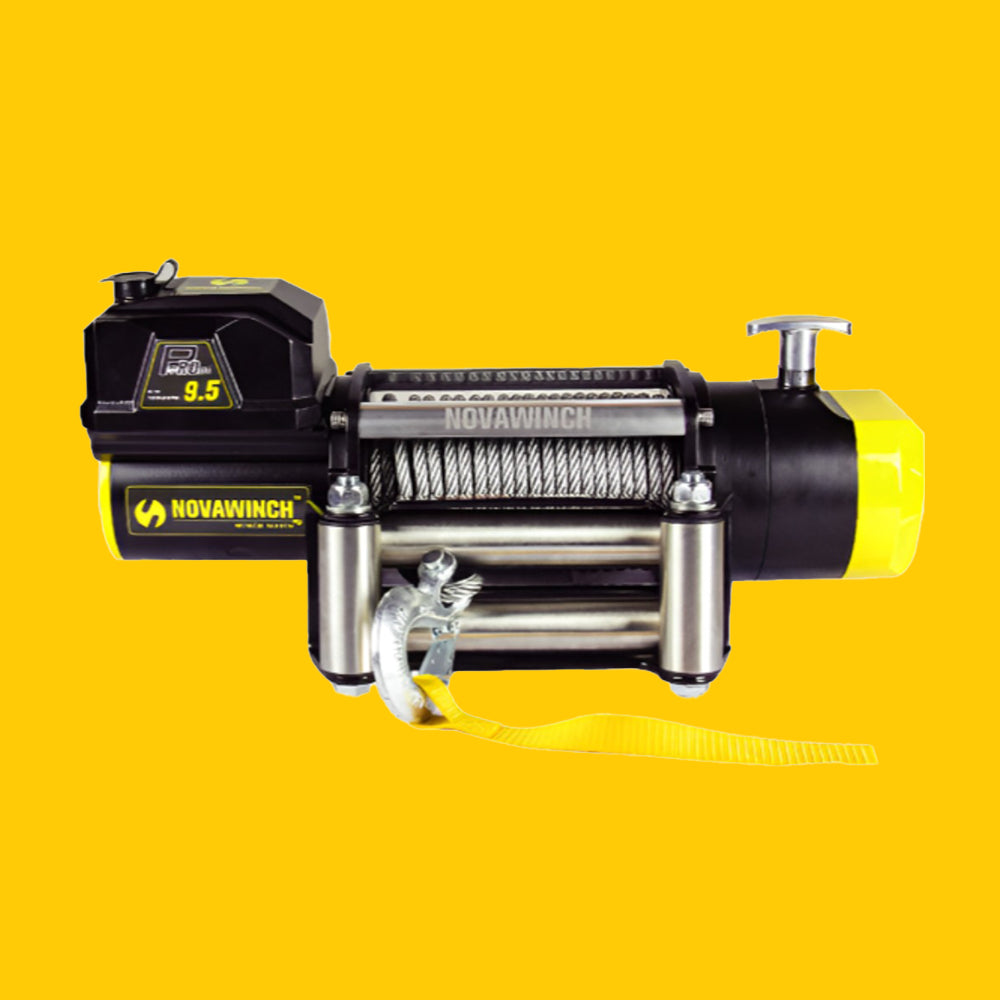
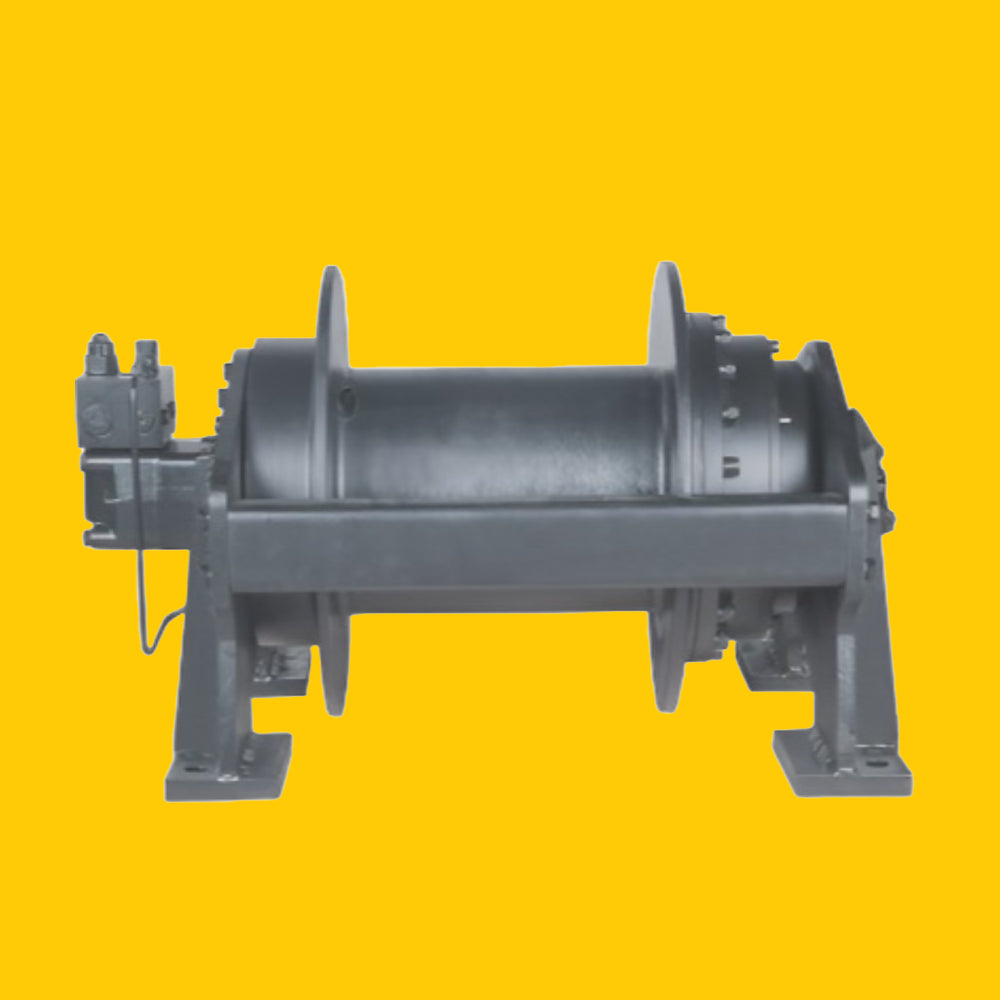
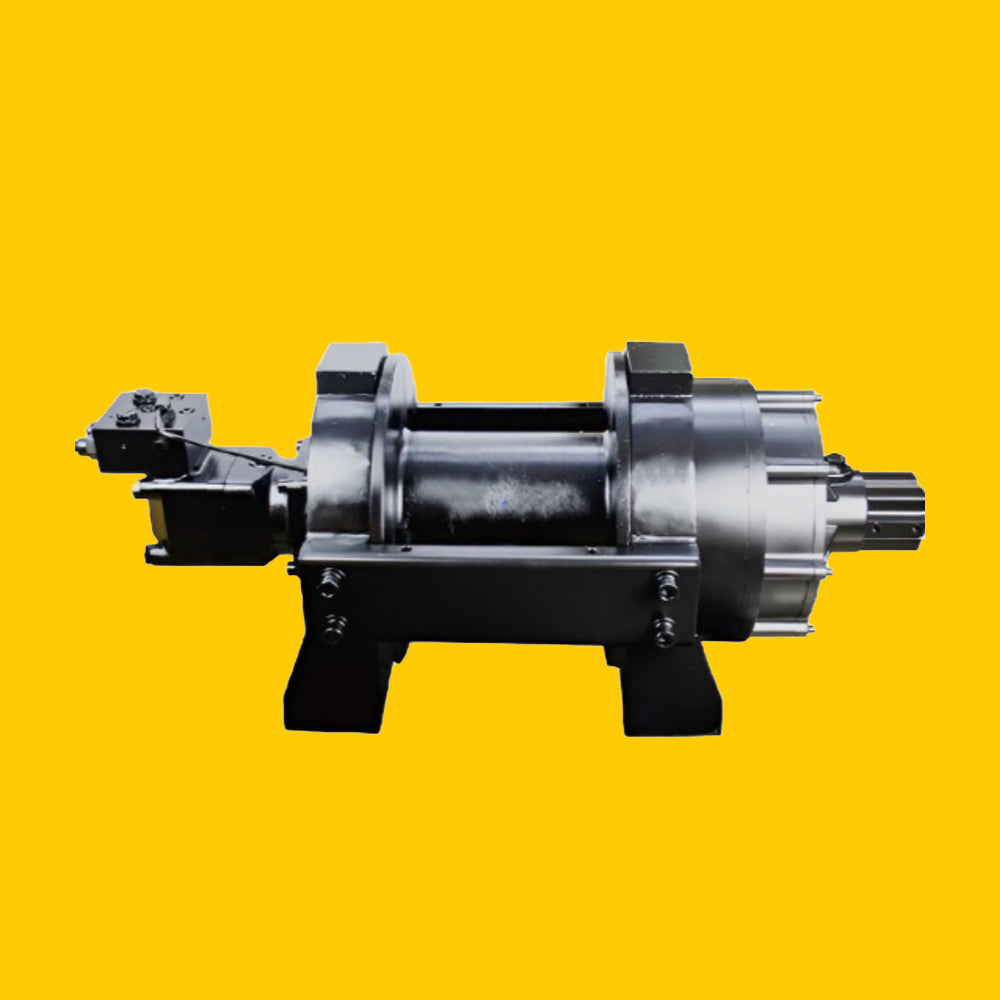
1. Steel Wire Cable (The Commercial Workhorse) Steel wire rope is built for extreme abrasion. If you are operating Commercial Recovery Winches or heavy-duty Hydraulic Winches where the line is constantly dragged across concrete, tarmac, or jagged industrial debris, steel is your only option. It withstands friction, heat, and crushing forces far better than any fabric.
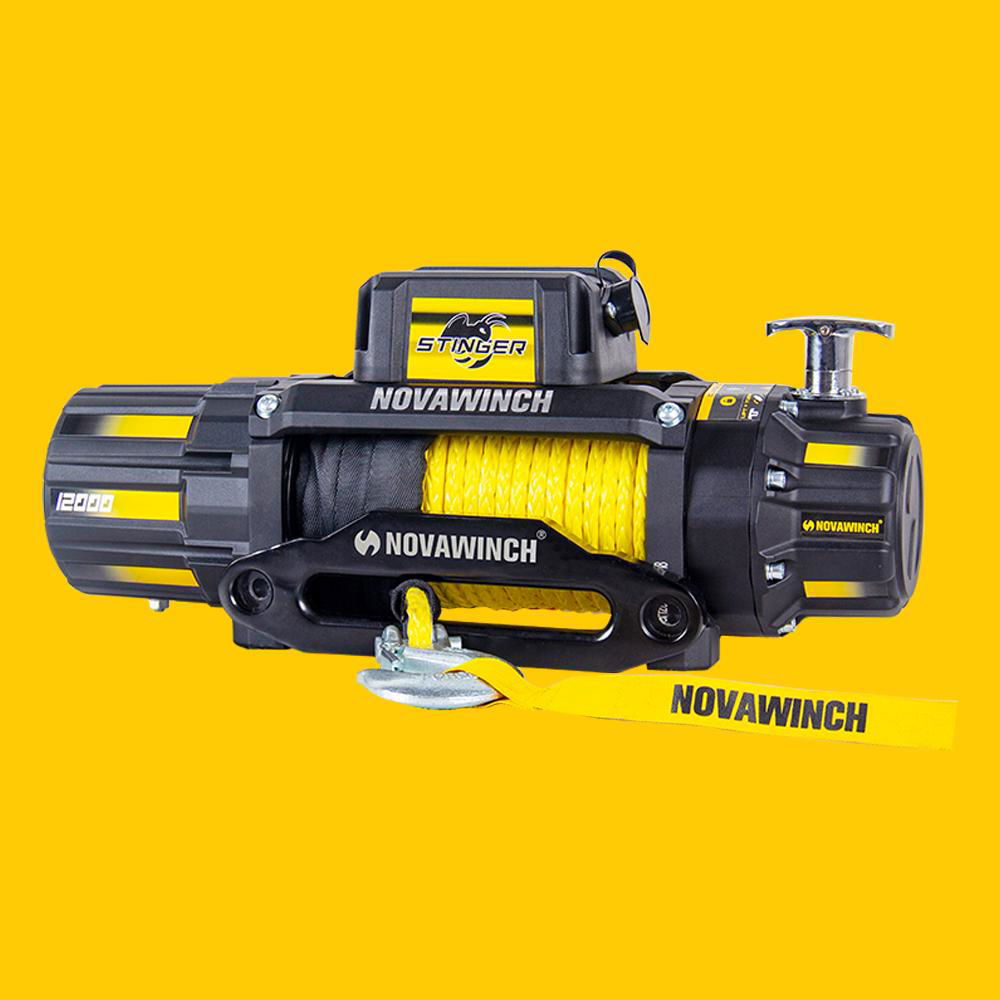
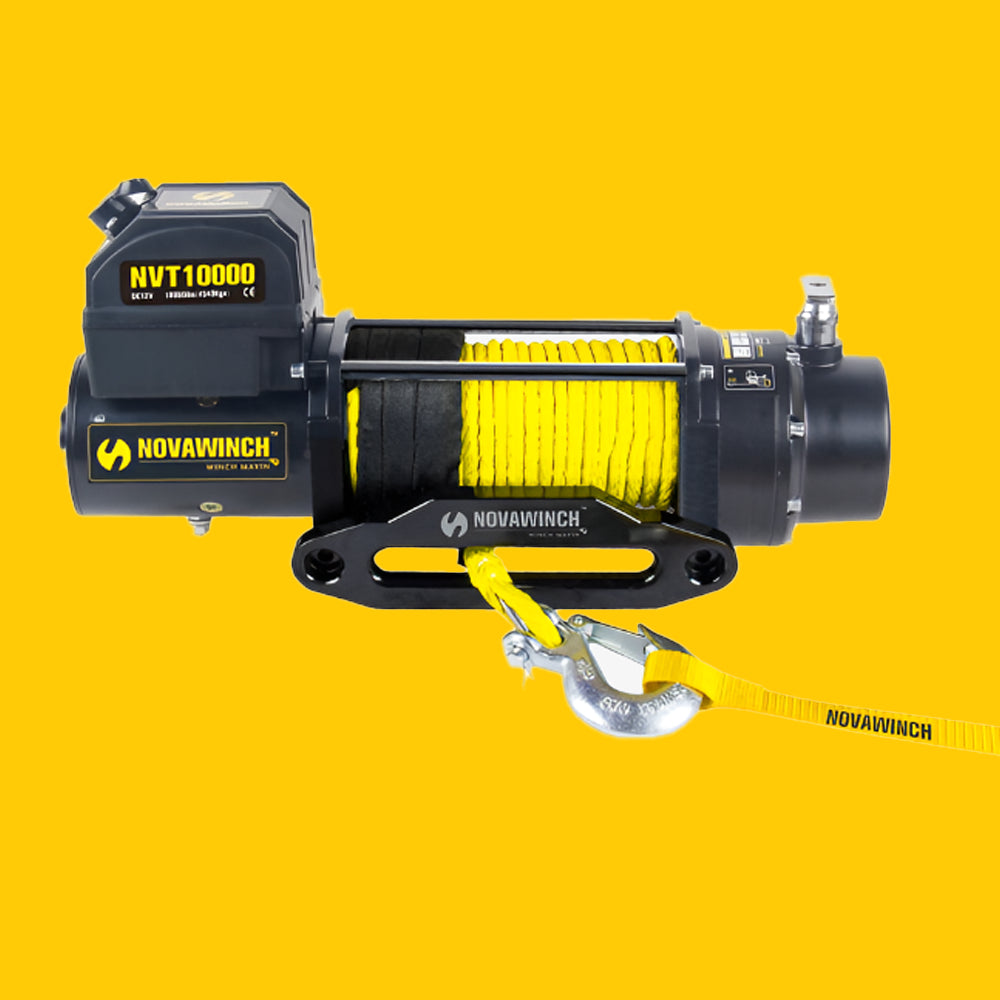
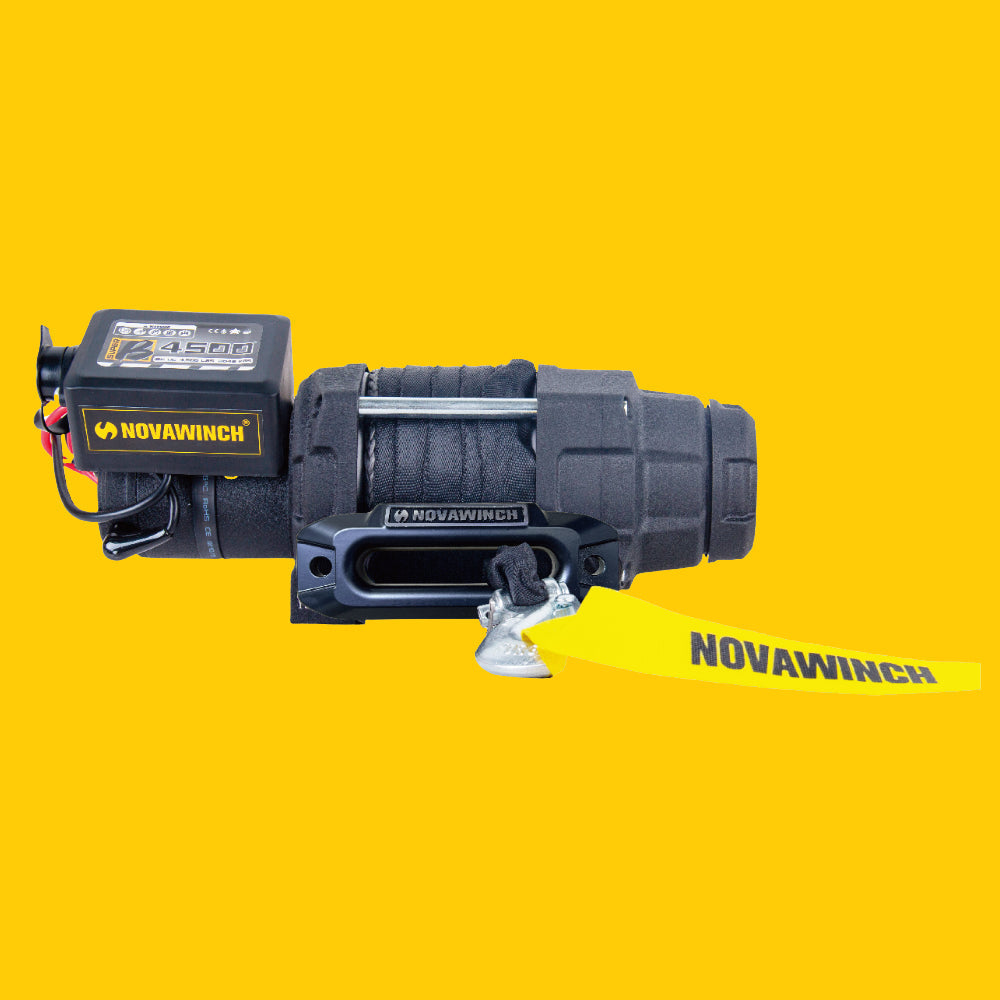
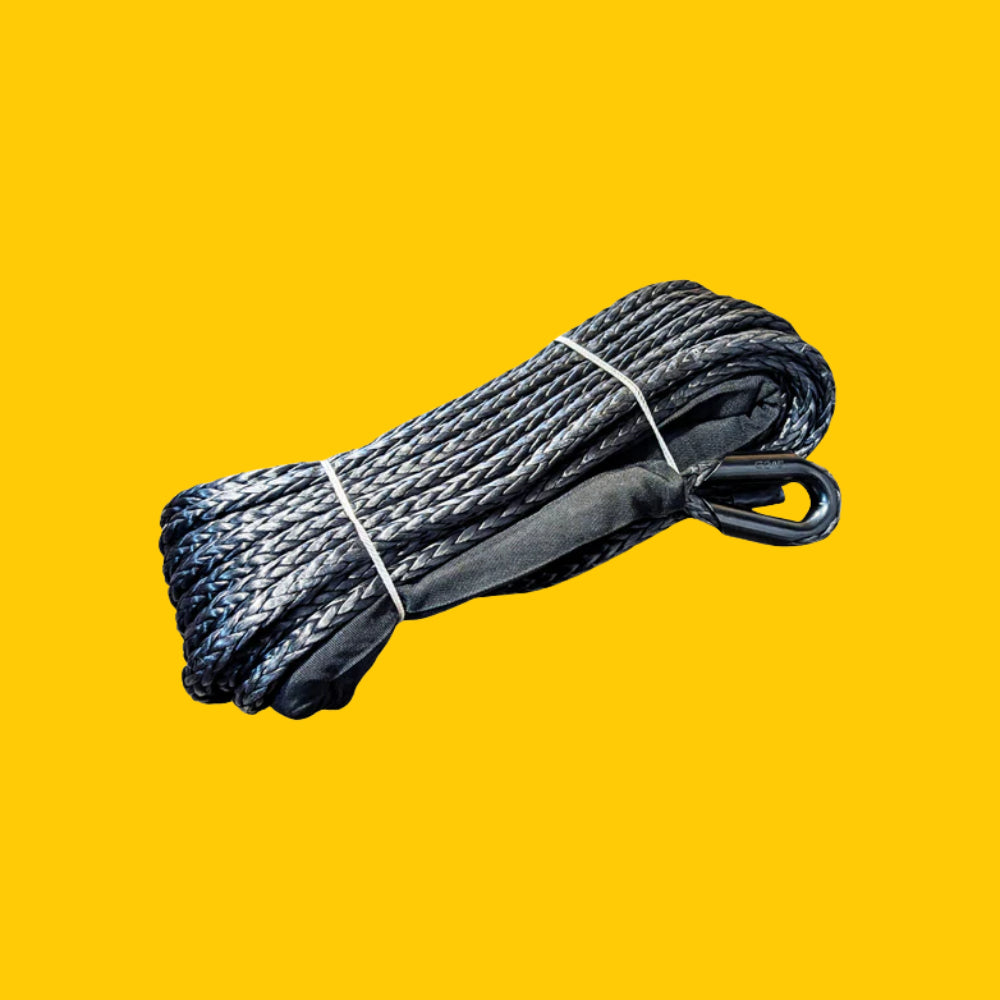
2. Synthetic Rope (The Recreational Upgrade) For off-road enthusiasts, agricultural workers, and ATV owners, upgrading to a dedicated Synthetic Winch Rope is highly recommended. Manufactured from Ultra-High Molecular Weight Polyethylene (UHMWPE), it is up to 80% lighter than steel, floats on water, and holds virtually zero kinetic energy, meaning if it breaks, it safely drops to the ground rather than whipping violently.
A common mistake is buying the longest rope possible "just in case." Winch pulling capacities are rated on the first layer of rope on the drum. For every additional layer of rope that stacks up on the drum, your winch loses roughly 10% to 15% of its pulling power due to the increased gear ratio.
Therefore, you should only spool as much line as your manufacturer recommends. If you occasionally need more reach for your 4x4 Electric Winches, it is much safer and more efficient to carry a static winch extension strap rather than over-spooling your winch drum, which can lead to the rope binding or snapping the winch housing under load.