%20(1).jpg)
.jpg)







£15.99
ex.VAT
was
£15.99Plant and agricultural machinery often operates in conditions where traction is limited and access can be difficult. Mud, uneven ground, gradients and heavy equipment can leave tractors, telehandlers, utility vehicles and other machinery requiring controlled pulling assistance.
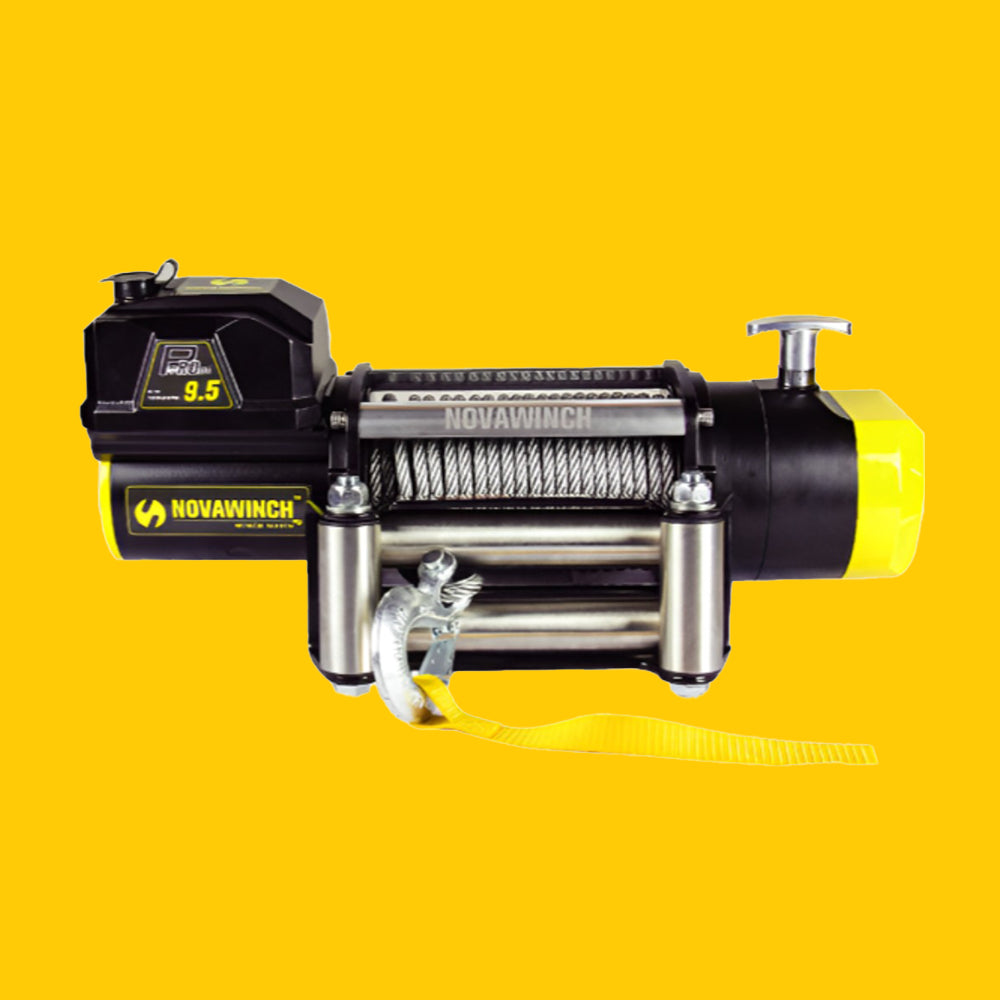
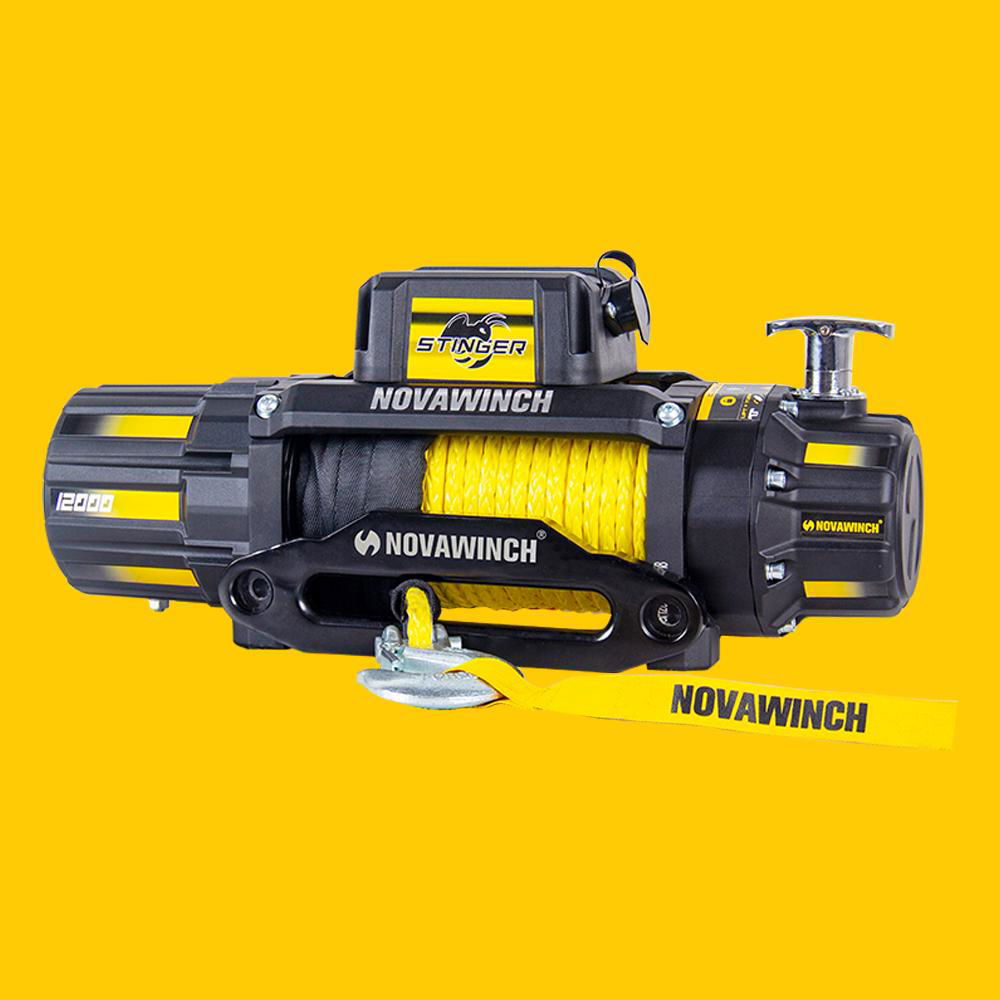
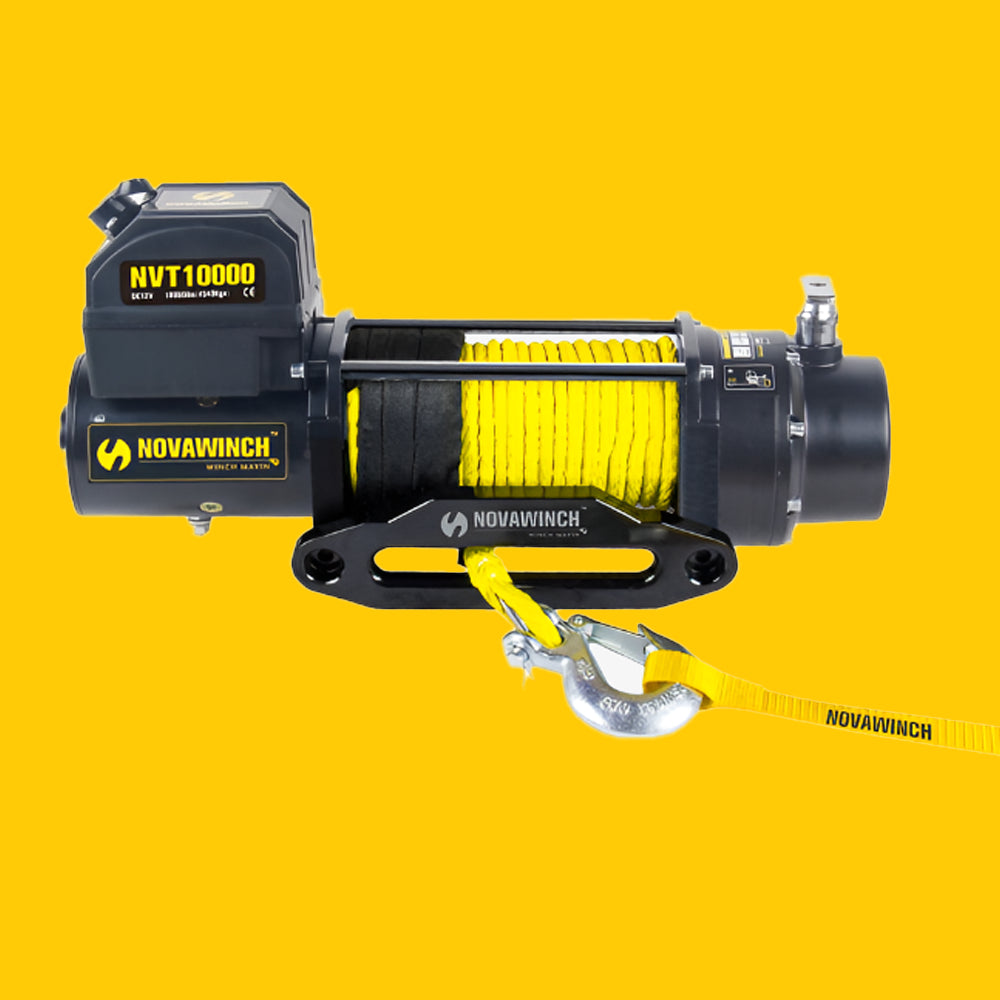
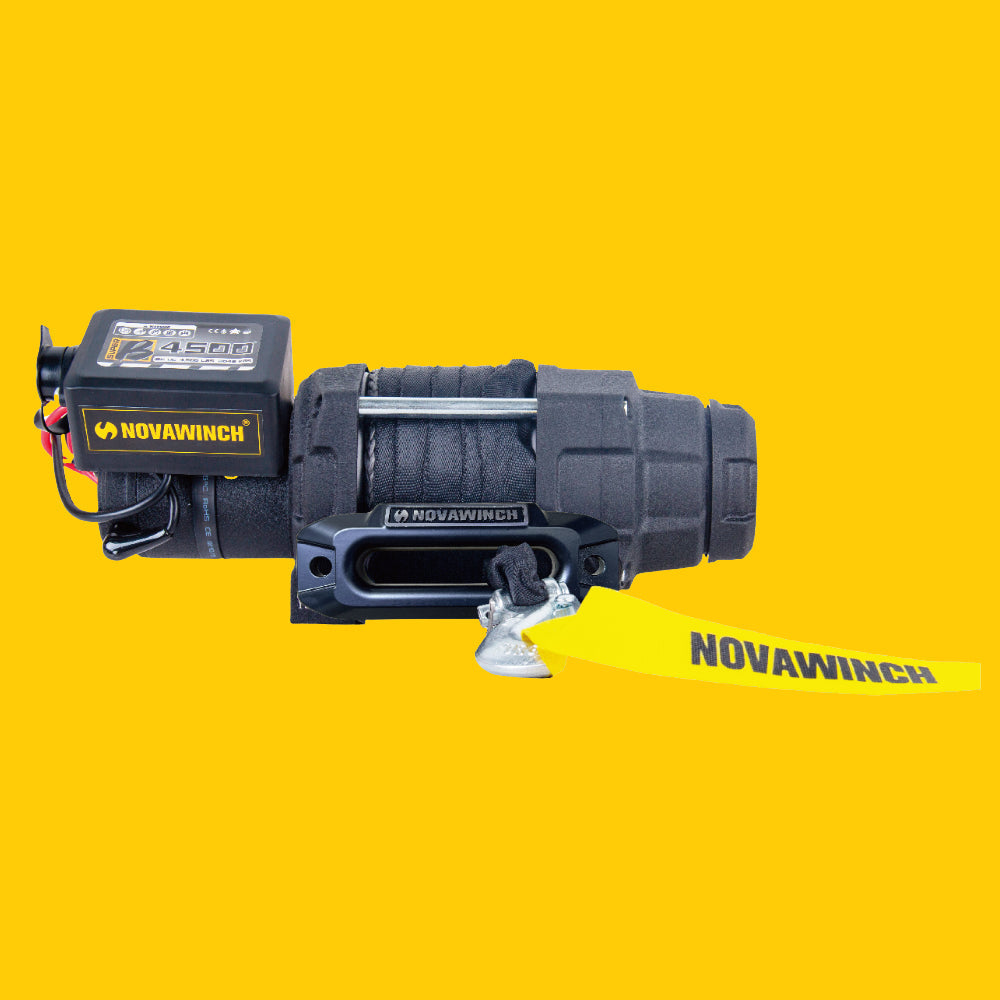
Novawinch electric plant and agricultural winches are available in 12V and 24V configurations with a range of pulling capacities and rope options for professional use. They can be used for applications including machinery recovery, equipment loading, farm and estate work, plant transport and vehicle-mounted pulling systems.
Choosing the correct winch depends on the machinery, installation and expected workload rather than simply selecting the highest rated line pull.
The pulling force required can vary significantly depending on the situation.
A machine that rolls freely on firm, level ground may require relatively little force to move, while the same machine stuck in soft ground, working on a gradient or suffering from locked wheels can place a much greater load on the winch.
When selecting a winch, consider:
For demanding commercial applications, allowing adequate capacity above the expected working load can improve both performance and durability.
The correct voltage should normally match the electrical system of the vehicle or machinery on which the winch is installed.
12V electric winches are commonly used on pickups, utility vehicles, smaller plant trailers and lighter agricultural vehicles.
24V electric winches are often suited to larger commercial vehicles, HGV-based equipment and machinery already operating from a 24V electrical system.
Whichever voltage is used, battery condition, alternator capacity, cable size, connections and earthing all affect winch performance. High-capacity electric winches can draw substantial current under load, so installation should be suitable for the intended workload.
An electric winch can provide useful additional pulling capability on tractors and agricultural vehicles used for estate maintenance, machinery recovery and general farm work.
Applications may include:
The correct mounting system is important. A winch should be installed to a suitably designed structure capable of handling the forces generated during operation.
Construction and plant equipment can be particularly demanding to recover because of machine weight, ground conditions and restricted access.
Excavators, telehandlers, compact loaders and other plant may require significantly more pulling force when immobilised in mud or on uneven terrain than their rolling weight alone suggests.
For plant applications, consider not only rated line pull but also:
A higher-capacity winch may be appropriate where recovery conditions are unpredictable or equipment is used commercially.
Both rope types can be suitable for agricultural and plant applications.
Steel wire rope offers excellent resistance to abrasion and may be particularly useful where the line regularly encounters dirt, rough surfaces or demanding working environments.
Synthetic rope is lighter and easier to handle, which can be useful where operators regularly pull out and reposition the line.
Whichever type is chosen, the rope should be regularly inspected for damage, contamination and wear.
Electric winches can also be used for loading suitable wheeled machinery onto plant trailers and low loaders.
For these applications, consider the loading angle, vehicle condition, ramp resistance and how many layers of rope will build up on the drum during the pull. Rated line pull is generally highest on the first drum layer and reduces as additional rope layers build up.
The mounting structure and trailer must also be suitable for the loads generated by the winch.
There is no single winch capacity that suits every tractor, farm vehicle or item of plant.
The most suitable setup depends on the machinery being moved, the conditions in which it will operate, available voltage, mounting position and how frequently the winch will be used.
Browse our range of electric plant and agricultural winches above, or contact the Novawinch UK team for help selecting a winch for your machinery and workload.
The correct capacity depends on the weight and condition of the machinery, ground conditions, gradients and the way the winch will be used. A machine stuck in mud or with limited wheel movement can require substantially more pulling force than one rolling freely on firm ground. Contact our team if you need help calculating a suitable winch capacity.
Yes, provided the tractor has a suitable electrical system and a properly engineered mounting point. The installation must be capable of handling the forces generated by the winch, and the voltage of the winch should match the tractor's electrical system.
Use a winch compatible with the vehicle's electrical system. Smaller agricultural vehicles and pickups often operate on 12V, while larger commercial vehicles and some machinery use 24V systems. Battery capacity, alternator output and cable sizing should also be considered.
Steel wire rope offers excellent abrasion resistance and can suit harsh agricultural and construction environments. Synthetic rope is considerably lighter and easier to handle. The best option depends on the working environment and how frequently the line contacts abrasive surfaces.
Yes, where the winch, trailer mounting system and equipment are suitable for the intended load. Loading angle, rolling resistance, machine condition and drum layers all affect the force required, so the winch should be selected for the actual loading conditions rather than vehicle weight alone.
They can be, provided the winch and recovery setup are correctly rated. Mud can greatly increase the force required to move a vehicle, so difficult recoveries may require additional capacity or a pulley arrangement. All anchor points and recovery equipment must also be suitable for the loads involved.