%20(1).jpg)
.jpg)








£15.99
ex.VAT
was
£15.99Loading heavy plant and machinery onto low loaders requires more than headline pulling power. Ramp angle, rolling resistance, machine condition, rope length and the number of layers on the winch drum all affect the force required during a pull.
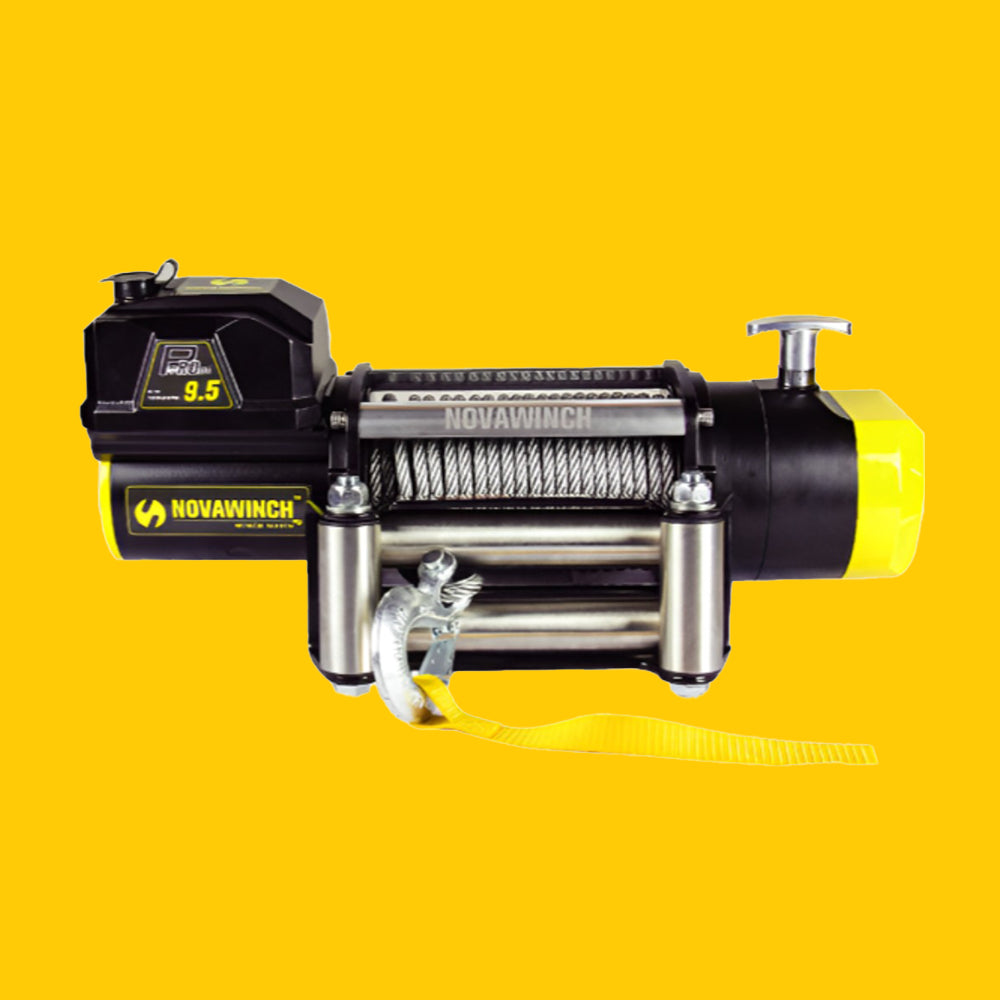
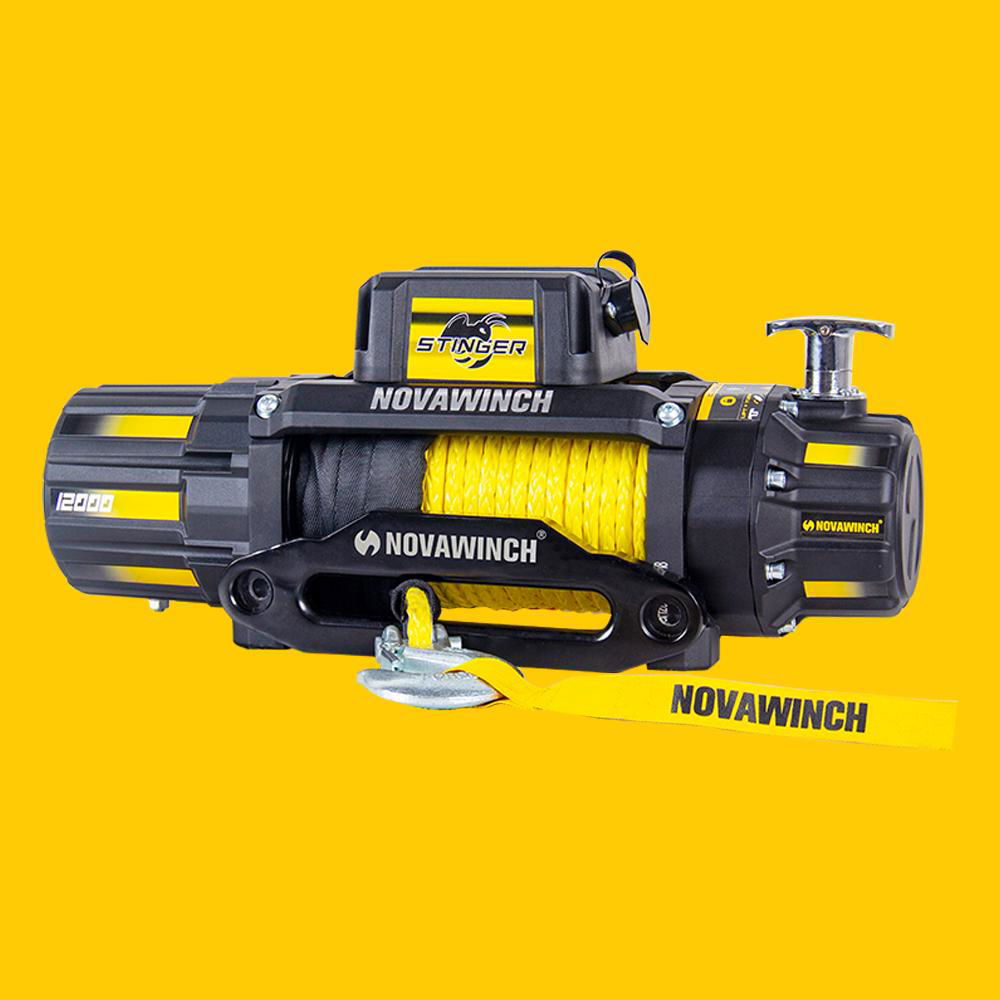
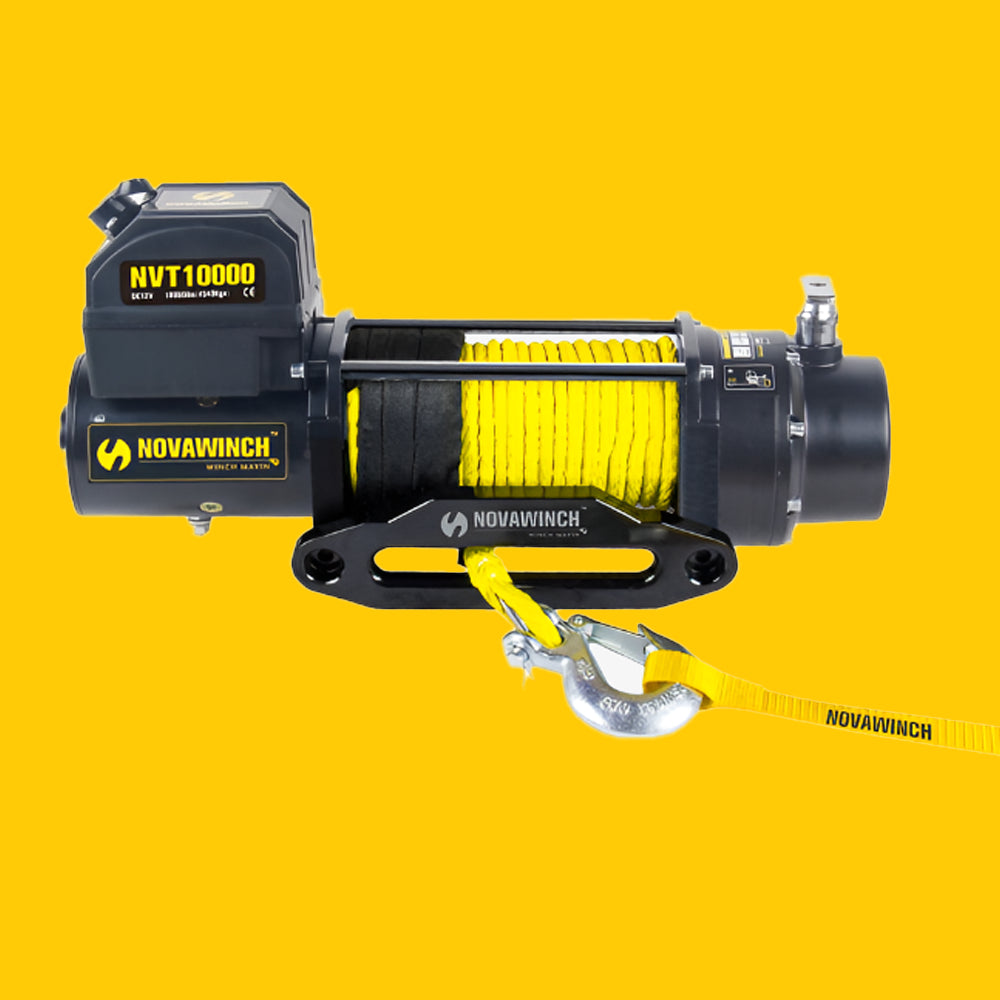
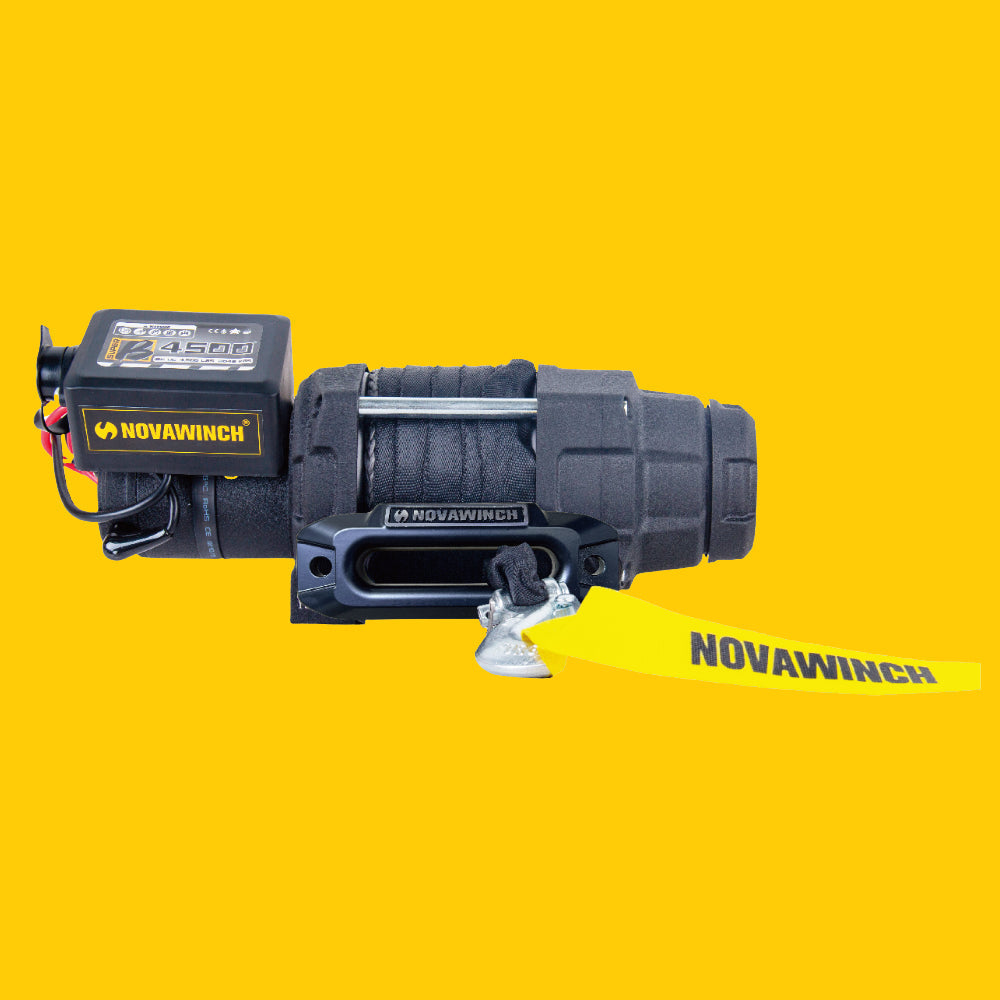
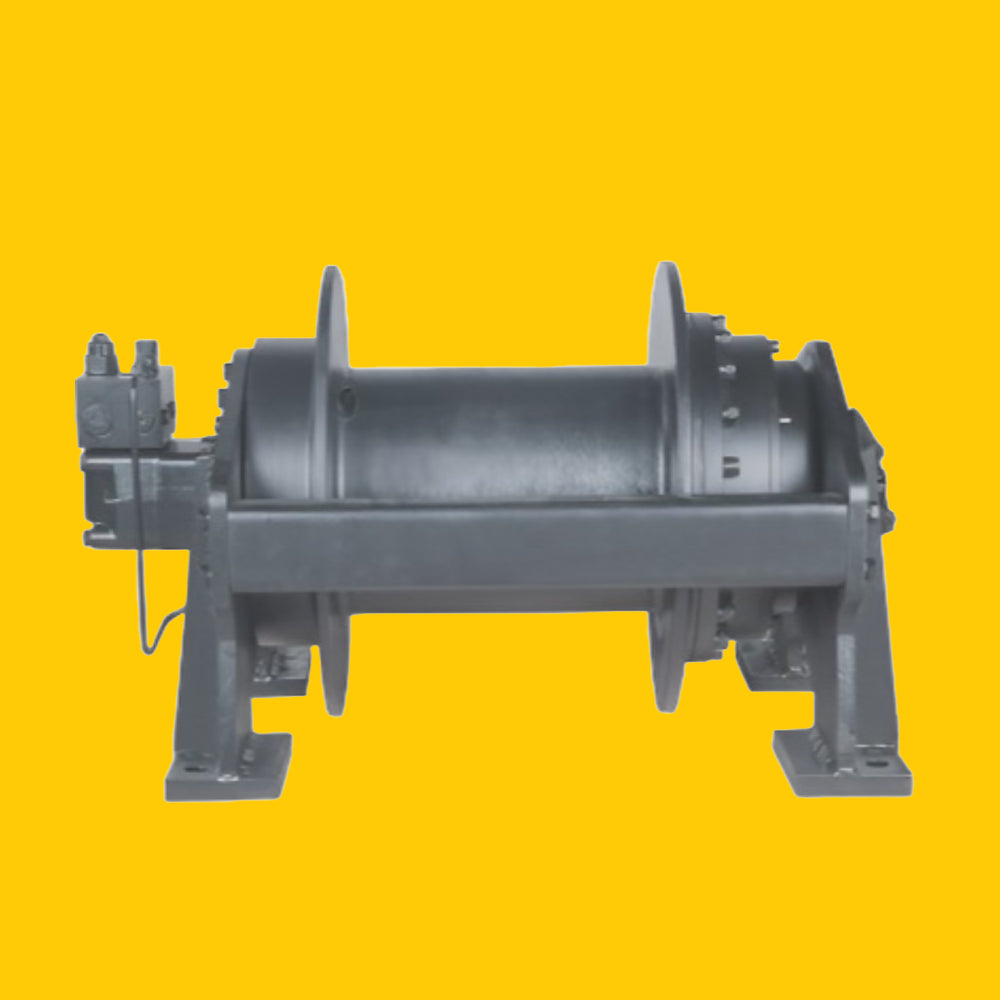
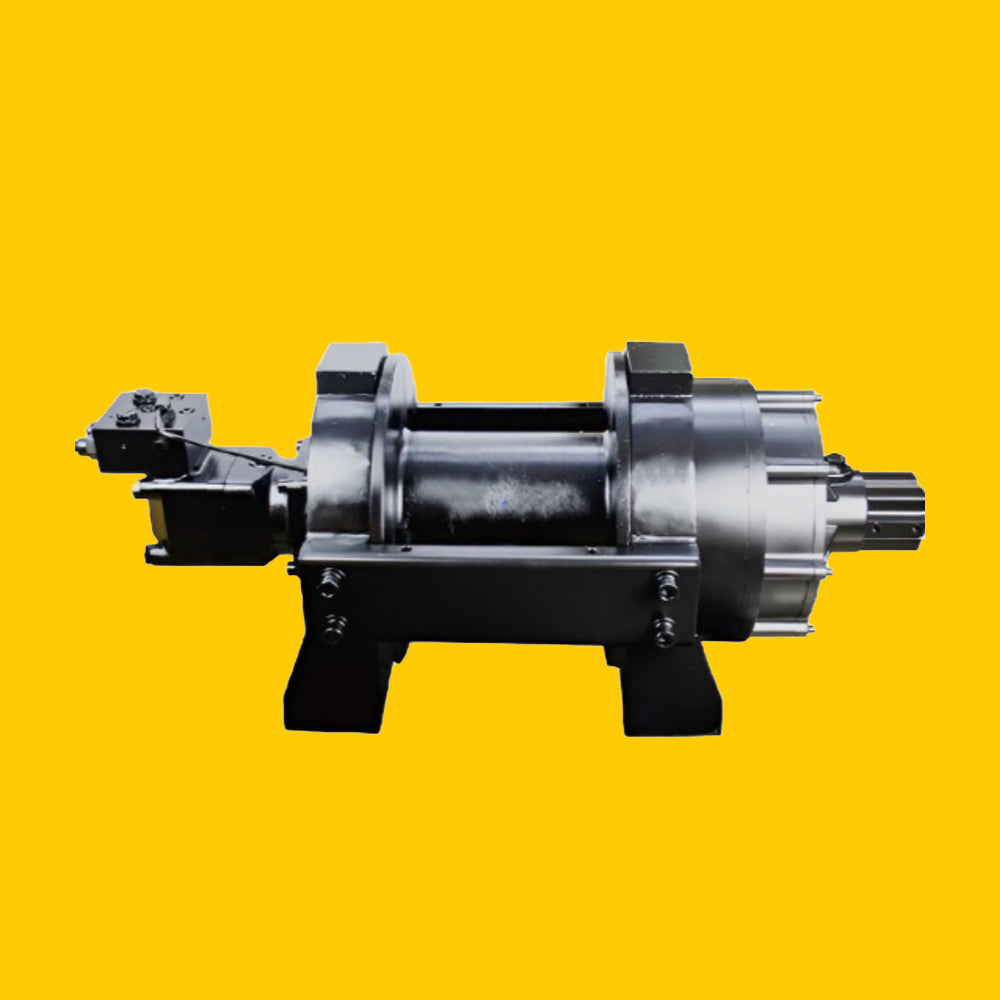
Novawinch electric low loader winches are designed for demanding commercial loading applications and are available in high-capacity 24V configurations with steel or synthetic rope options. They can be used on suitable low loaders, plant trailers, machinery transporters and heavy commercial vehicles where controlled pulling is required.
The correct winch capacity depends on the actual loading conditions rather than machinery weight alone.
A freely rolling wheeled machine on a shallow ramp may require relatively modest pulling force, while tracked plant, damaged machinery, soft ground or a steeper loading angle can significantly increase the load on the winch.
When selecting a low loader winch, consider:
Rated line pull is generally highest on the first rope layer and reduces as the drum fills, so long loading distances can materially affect available pulling force.
Most heavy commercial vehicles and many HGV-based transport systems operate from 24V electrical systems, making a 24V electric winch a natural choice for many low loader applications.
A 24V system can deliver the same electrical power at lower current than an equivalent 12V system, but high-capacity electric winches can still draw substantial current under load. Battery capacity, alternator output, cable size, connections and isolation should all be suitable for the intended workload.
Low loaders and plant transporters are frequently used to move excavators, telehandlers, agricultural machinery, access equipment and other heavy plant.
The force required to load these machines can vary significantly depending on:
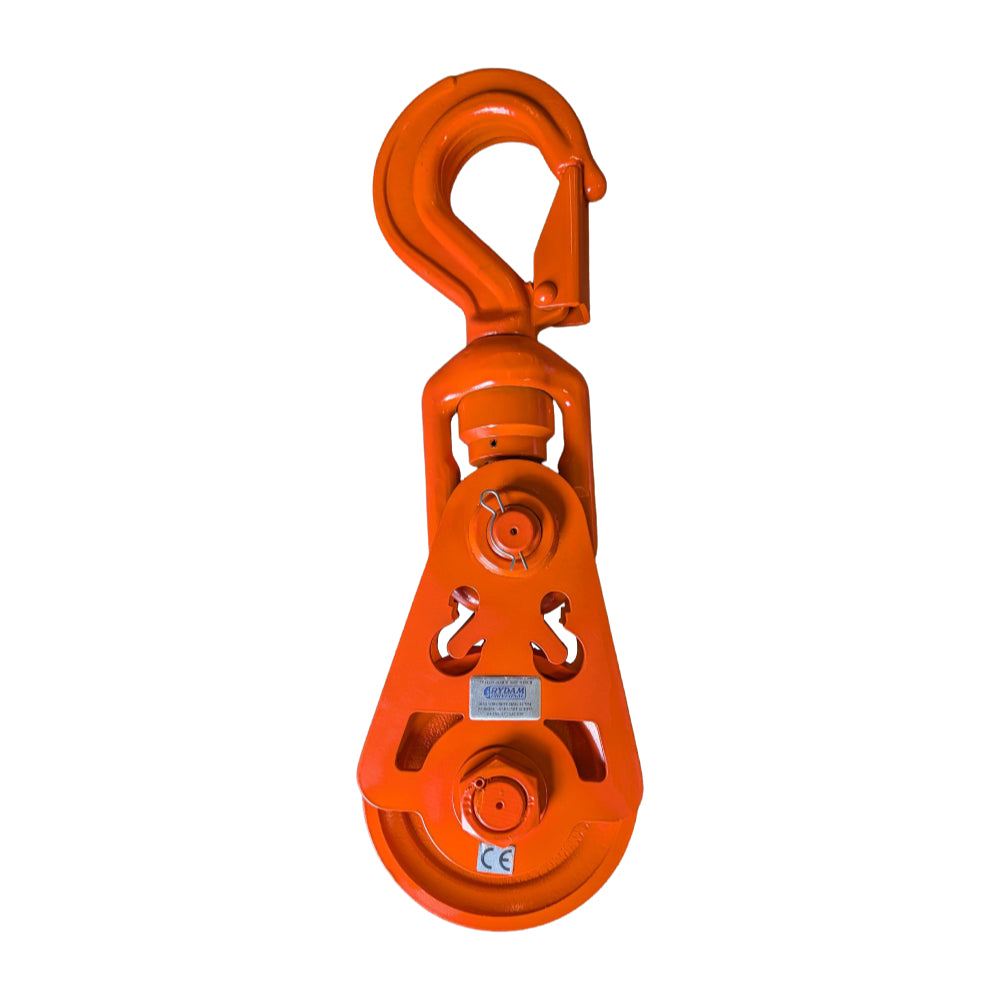
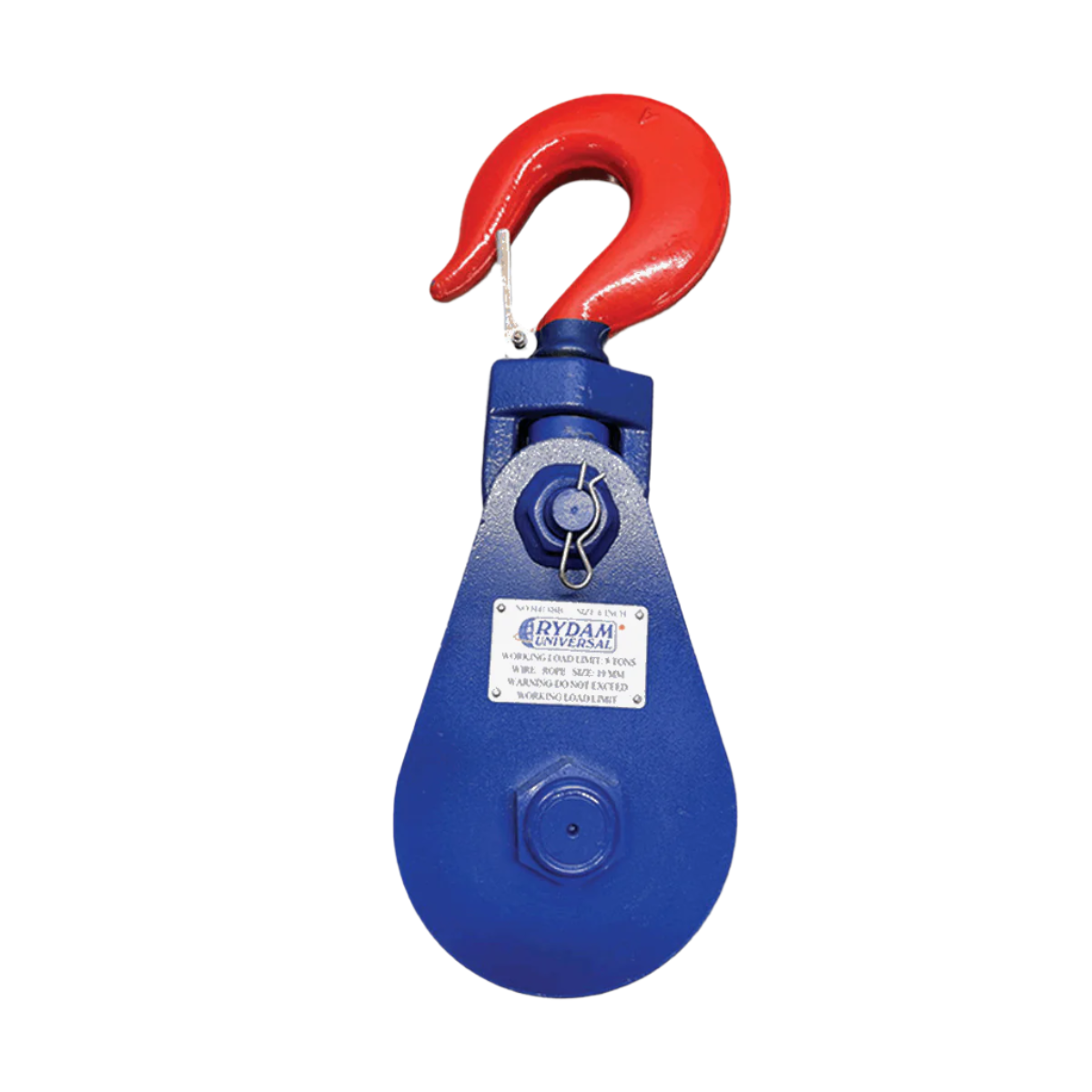
For difficult loading situations, a suitably rated pulley arrangement may reduce the load on the winch, but all rigging, anchor points and recovery equipment must be rated for the forces involved.
Both rope types can be suitable for low-loader applications.
Steel wire rope offers excellent abrasion resistance and can be well suited to commercial environments where the rope regularly contacts ramps, edges or rough surfaces.
Synthetic rope is lighter and easier to handle, which can be useful where operators frequently pull out long lengths of line.
The correct choice depends on working conditions, maintenance practices and the specification of the winch.
This is particularly important on a low-loader page.
Rated line pull is normally quoted on the first layer of rope around the drum. As additional layers build up, the effective drum diameter increases and pulling force reduces.
Your own heavy-duty winch data illustrates this effect clearly; for example, Novawinch hydraulic performance tables show materially lower line pull on later drum layers.
For long loading beds, rope length and drum capacity therefore need to be considered alongside headline winch capacity.
Remote control can be useful during machinery loading because it allows the operator to position themselves where they can clearly see the load, ramps and rope path.
This can help with:
Where available, a wired control can also provide a useful secondary control method.
The winch mounting system must be capable of handling the forces generated during loading.
Before installation, check:
For commercial installations, the winch should be considered as part of the complete trailer and electrical system rather than as a standalone component.
There is no single winch capacity that suits every heavy haulage application.
The correct setup depends on the machinery being loaded, the trailer configuration, electrical system, loading angle and frequency of use.
Browse our range of electric low loader and heavy haulage winches above, or contact the Novawinch UK team for help selecting a suitable winch for your trailer and workload.
The correct capacity depends on the machinery being loaded, ramp angle, rolling resistance and loading distance. Tracked plant, damaged machinery and steeper ramps can require substantially more pulling force than freely rolling wheeled equipment, so the winch should be selected for the most demanding expected conditions.
A 24V winch is often the natural choice on HGVs and commercial transport vehicles that already use a 24V electrical system. For the same electrical power, 24V generally requires less current than 12V, but battery capacity, cable size and charging-system performance still need to be suitable for the winch.
Yes, where the winch, trailer, mounting system and rigging are properly rated for the load. Tracked machinery can create high rolling resistance, particularly on steep ramps or soft ground, so capacity should be based on the actual loading conditions rather than machine weight alone.
Steel wire rope offers excellent abrasion resistance and may suit harsh commercial environments. Synthetic rope is lighter and easier to handle. The best choice depends on rope contact, working conditions and maintenance requirements.
Yes. Rated line pull is generally greatest on the first rope layer. As additional rope builds up on the drum, available pulling force reduces, which is especially relevant on long low-loader beds.
A suitably rated pulley can be used in some loading setups to change the direction of pull or create mechanical advantage. The pulley, rope, anchor points and all connecting equipment must be correctly rated for the forces involved.
Yes, where the winch supports wireless operation. It can allow the operator to stand in a position with a clearer view of the machinery, ramps and rope path during loading.