%20(1).jpg)
.jpg)








£15.99
ex.VAT
was
£15.99Reliable vehicle loading is essential for car transporters, recovery operators and trailer users. Whether you are loading a non-running car onto a flatbed, pulling a vehicle up a beavertail ramp or moving a van onto a transporter, the winch needs sufficient pulling capacity, suitable rope length and an electrical system capable of supporting the load.
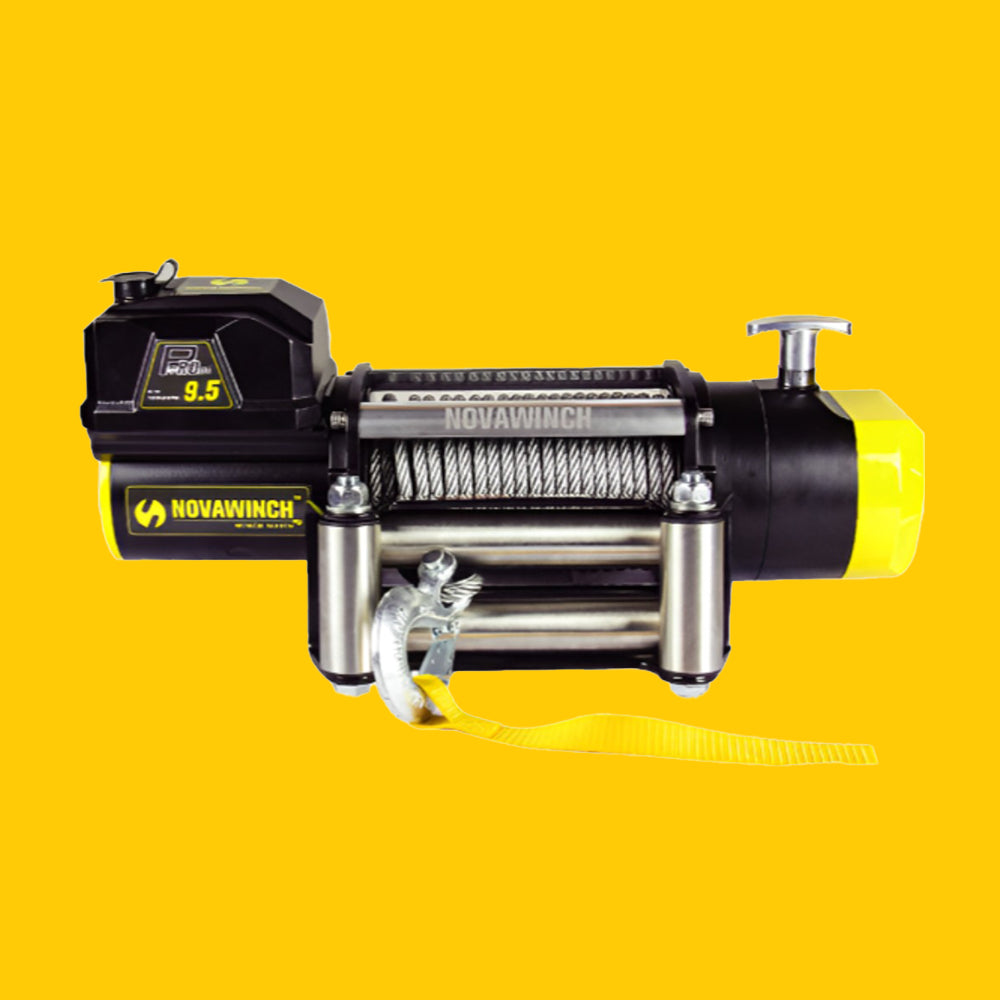
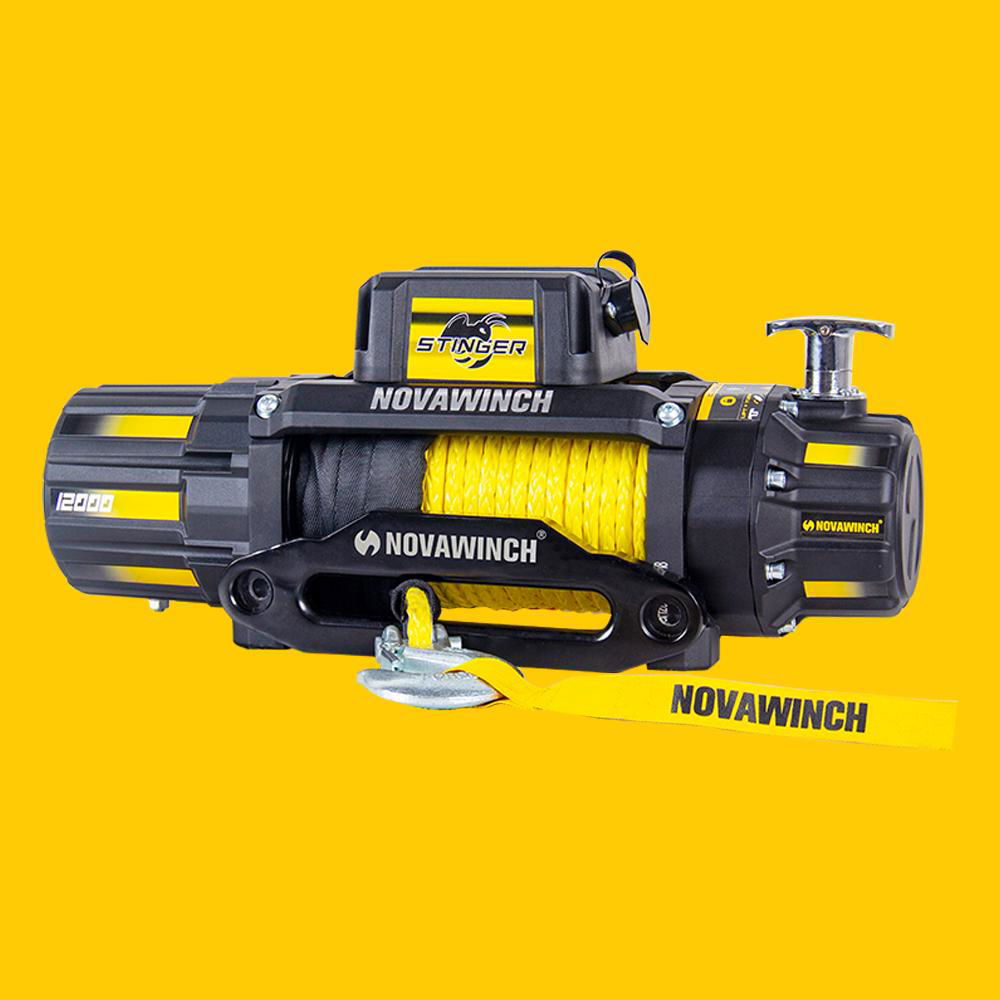
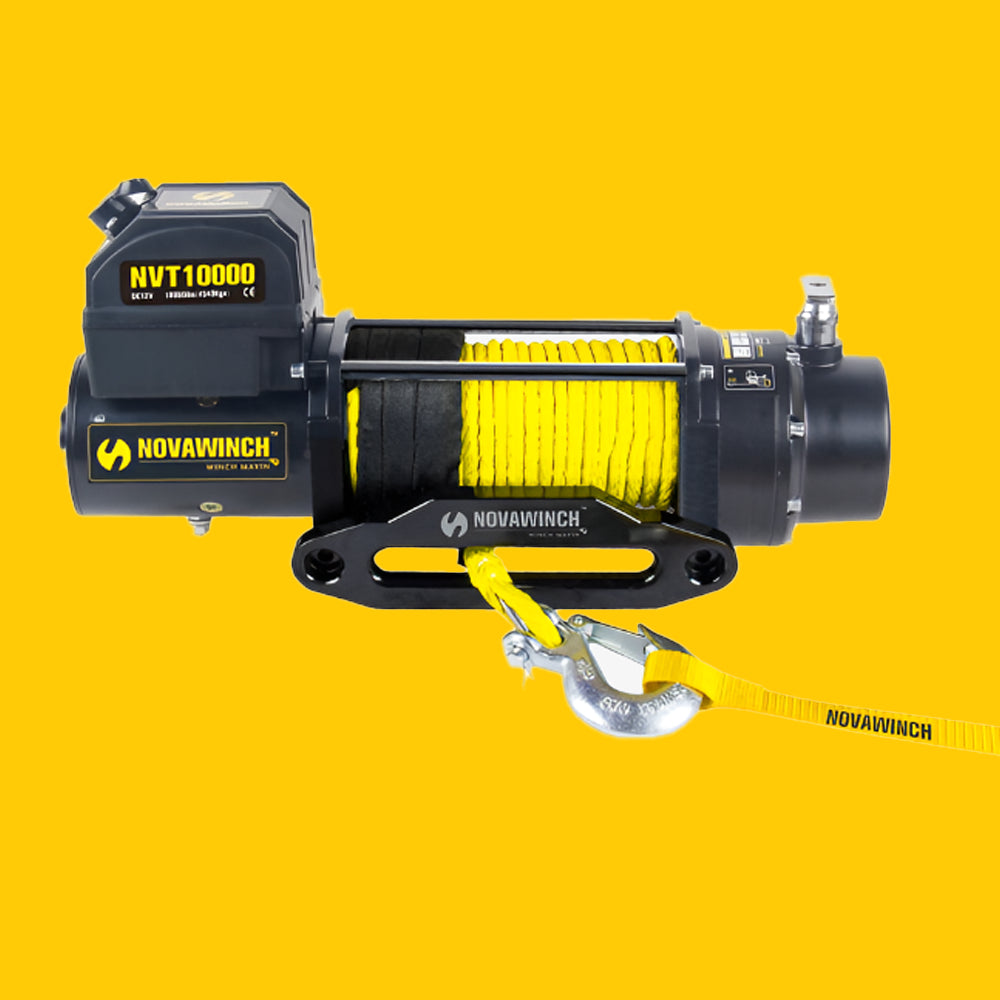
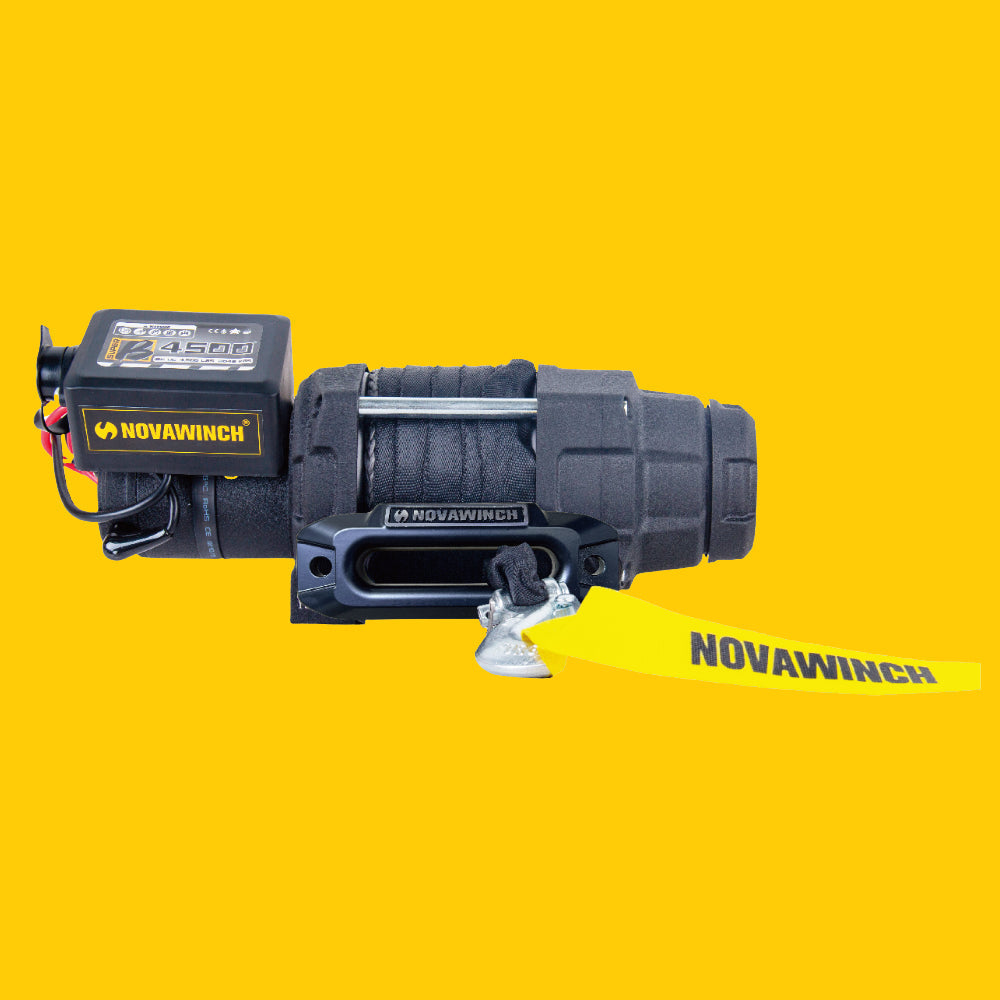
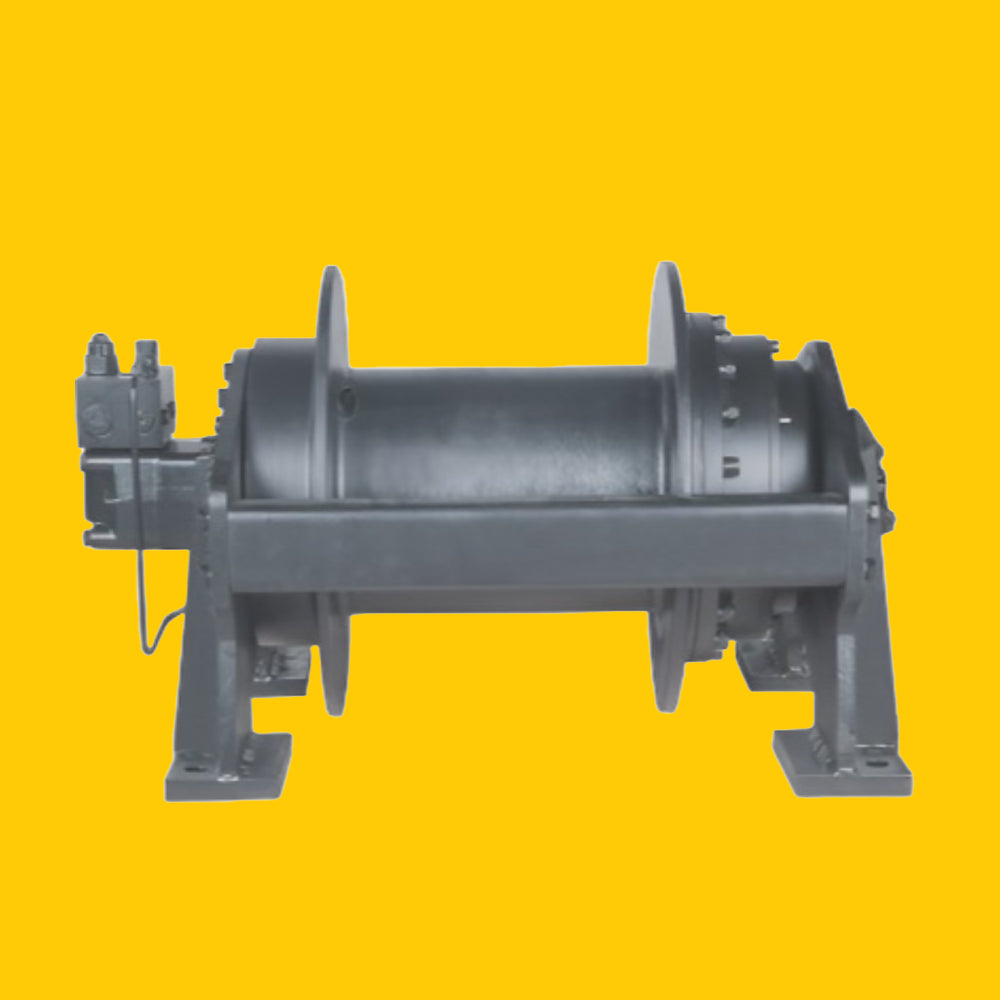
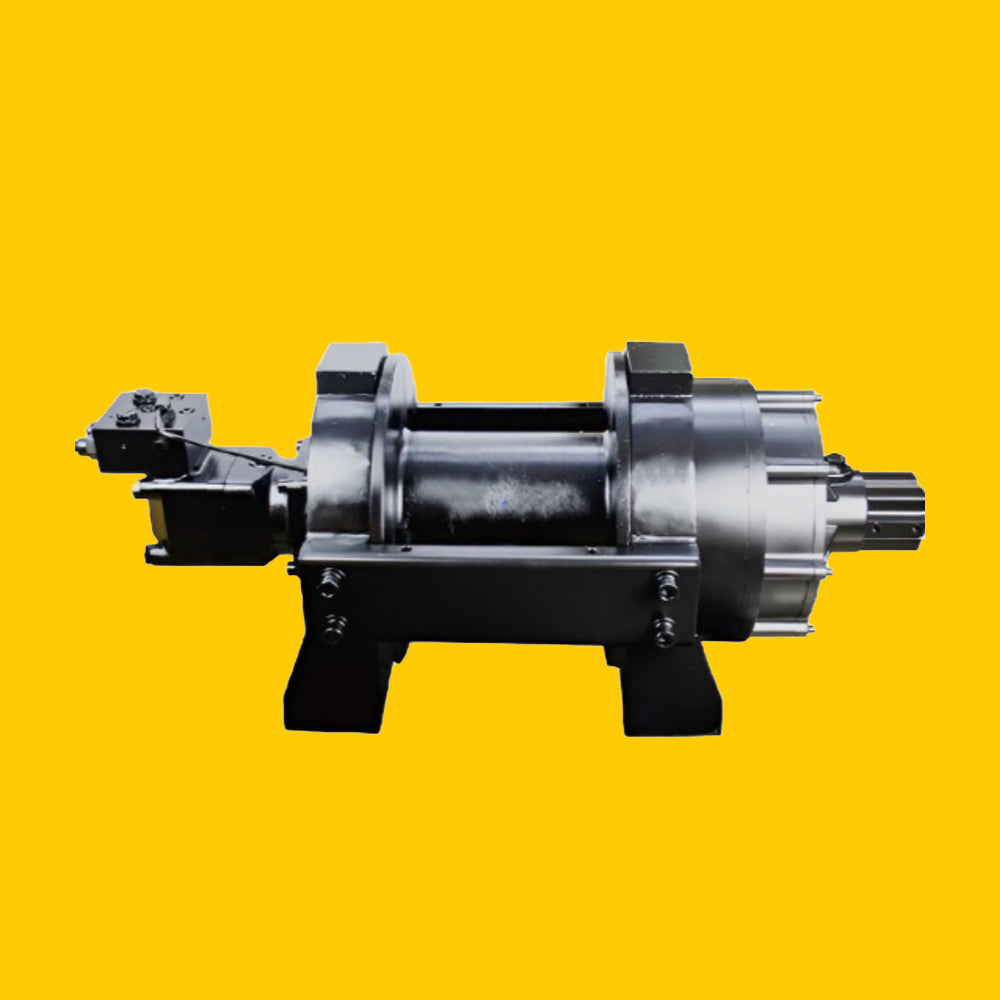
Novawinch electric car transporter winches are available in 12V and 24V configurations with a range of pulling capacities and synthetic or steel rope options. They are suitable for flatbeds, car transporters, vehicle trailers and other loading applications where controlled pulling is required.
The correct winch is not determined by vehicle weight alone.
A freely rolling car on a shallow loading ramp may require relatively little pulling force, while the same vehicle with seized brakes, damaged tyres or a steeper ramp can require substantially more.
Consider:
Rated line pull is normally greatest on the first drum layer and reduces as additional rope builds up on the drum, so drum capacity and rope length also matter when specifying a transporter winch.
The winch voltage should normally match the electrical system supplying it.
12V electric winches are commonly used on car transporters, trailers, pickups and lighter recovery vehicles with 12V electrical systems.
24V electric winches are often used on larger commercial transporters and recovery trucks operating from 24V vehicle electrics.
Winching under load can draw substantial current, so battery capacity, alternator output, cable size, connections and isolation should all be suitable for the expected workload.
Both rope types can be suitable for vehicle loading.
Synthetic rope is lightweight and easy to handle, making it popular where operators regularly walk the line down a transporter bed or loading ramp. It also avoids the sharp broken strands that can develop in damaged steel wire rope.
Steel wire rope offers excellent abrasion resistance and remains widely used in professional vehicle recovery and transport applications.
The best choice depends on working conditions, maintenance and how frequently the rope contacts ramps, edges or abrasive surfaces.
Flatbeds and beavertail trailers require smooth, controlled loading rather than simply maximum pulling force.
Important considerations include:
The winch mounting structure should be designed to handle the forces generated during loading, and the rope should run cleanly onto the drum without excessive side loading.
Non-running vehicles can create much higher loads than freely rolling cars.
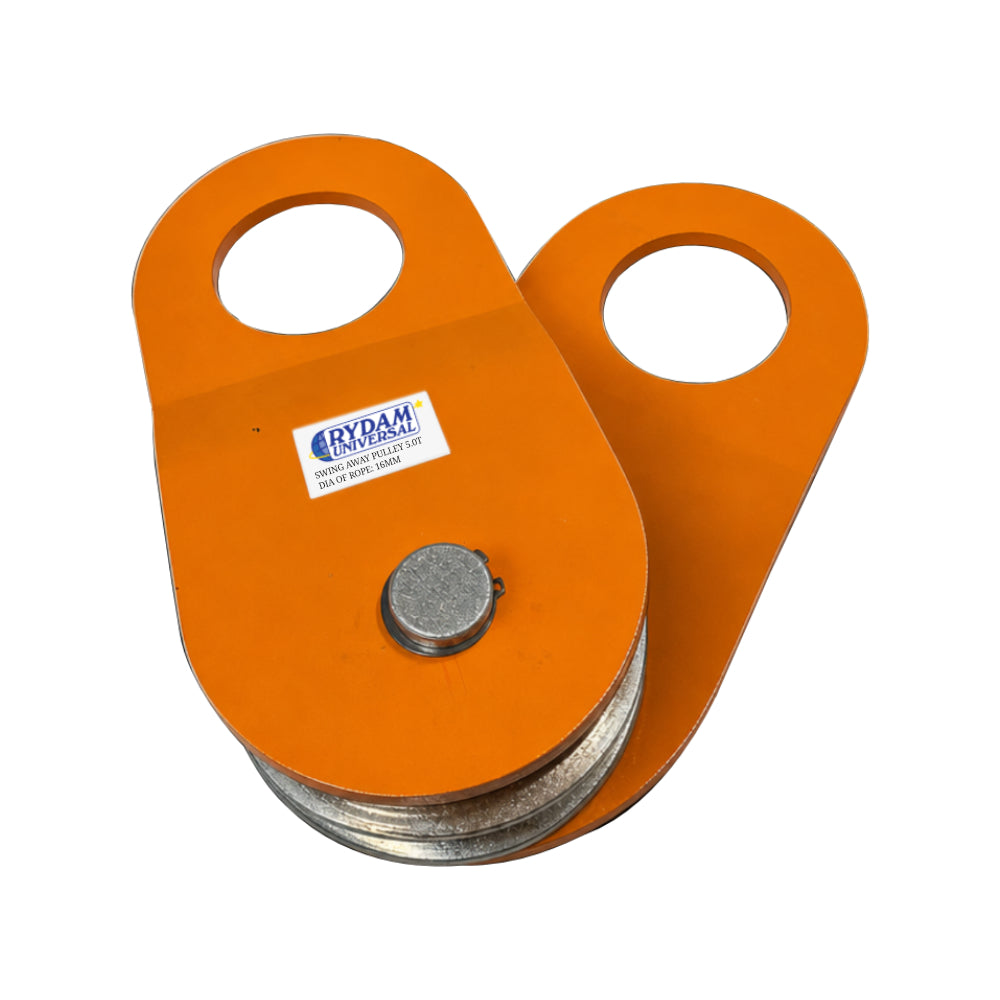
Locked wheels, flat tyres, accident damage or difficult approach angles can significantly increase resistance. For these situations, additional winch capacity or a suitable pulley arrangement may be required.
The winch should therefore be selected for the most demanding realistic loading conditions rather than the easiest everyday load.
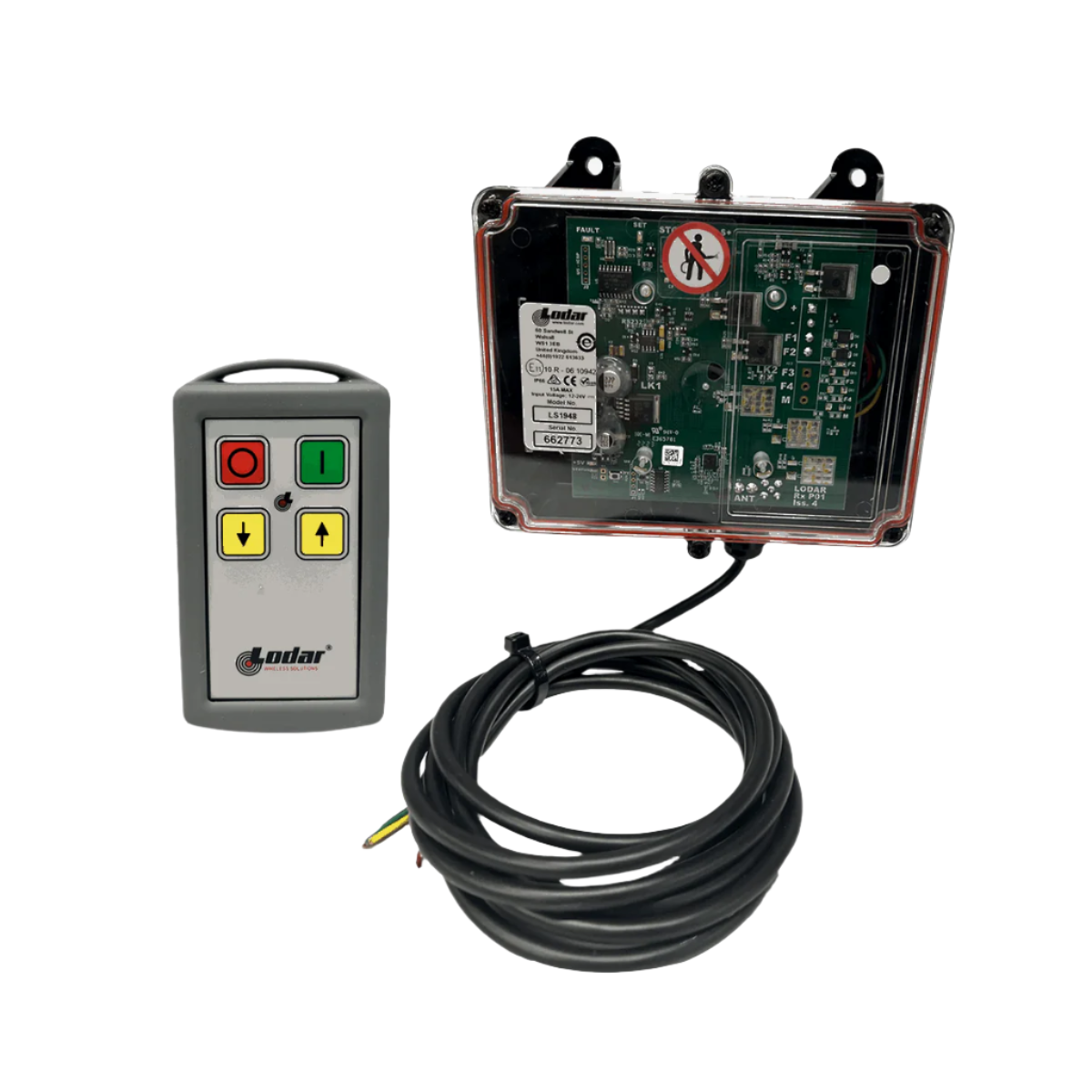
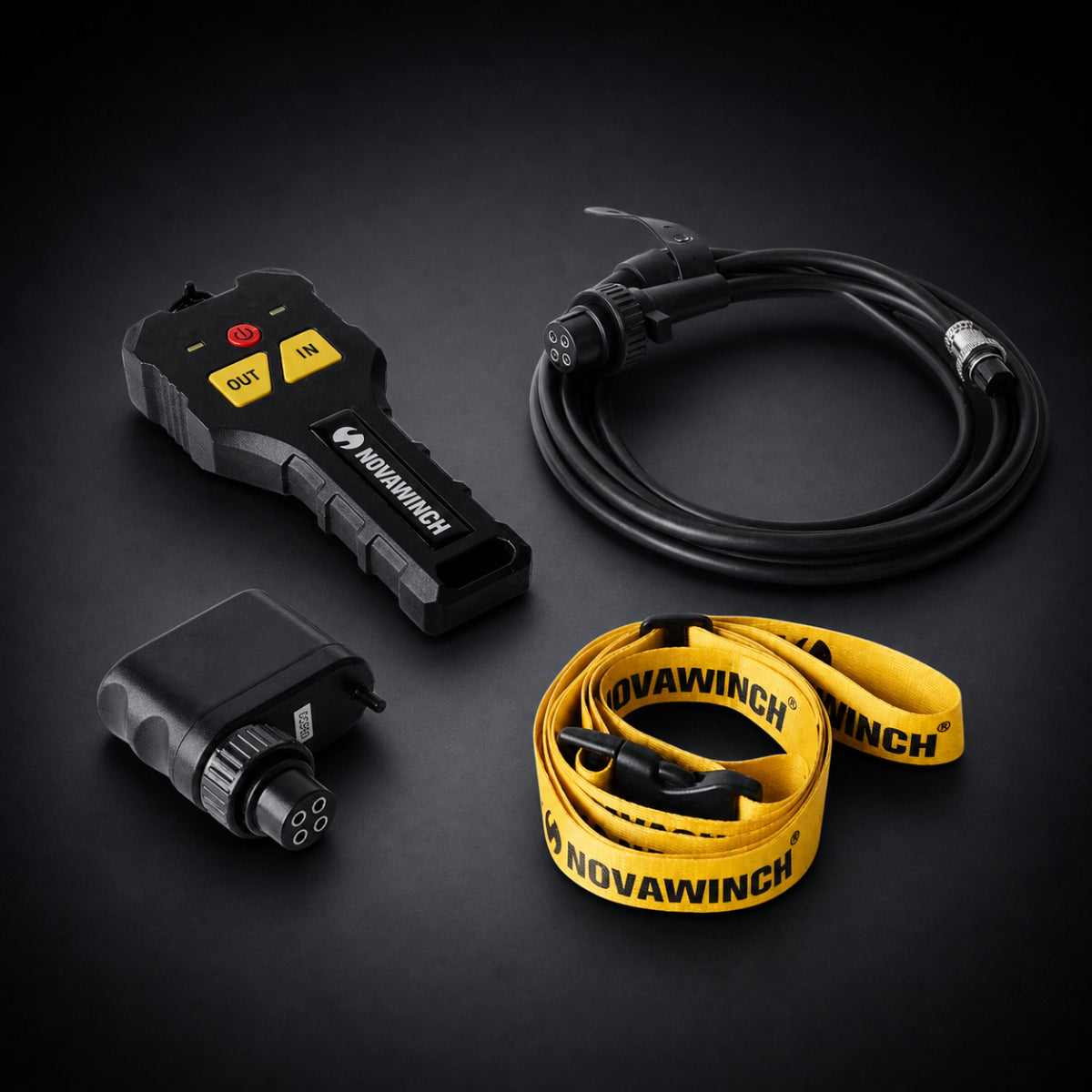
Remote control can make vehicle loading easier by allowing the operator to position themselves where they have a clear view of the vehicle, ramps and rope.
Wireless control is particularly useful for single-operator loading, while wired controls provide a direct backup option on suitable systems.
For professional applications, many operators prefer a setup that provides both convenient remote operation and a dependable secondary control method.
There is no single winch size that suits every car transporter or flatbed.
The correct setup depends on the vehicles being loaded, ramp angle, electrical system, rope length, mounting position and how frequently the winch will be used.
Browse our range of electric car transporter and flatbed winches above, or contact the Novawinch UK team for help choosing a suitable winch for your transporter, trailer or recovery vehicle.
The correct size depends on the vehicles being loaded, ramp angle and rolling resistance. A freely rolling car may require relatively little pulling force, while vehicles with damaged tyres, seized brakes or additional weight can require significantly more. Choose a winch with sufficient capacity for your most demanding expected loading conditions.
Use a winch that matches the electrical system supplying it. Many lighter car transporters and trailers use 12V winches, while larger commercial recovery vehicles often operate on 24V systems. Battery condition, alternator capacity and cable size should also be considered.
Yes. Synthetic rope is lightweight and easy to handle, which can make it convenient for vehicle loading. Steel wire rope is also widely used and offers excellent abrasion resistance. The best choice depends on operating conditions and maintenance requirements.
Yes, provided the winch, mounting system and trailer are correctly rated for the load. Non-running vehicles may have increased rolling resistance due to locked wheels, damaged tyres or accident damage, so additional pulling capacity may be required.
Yes. A wireless remote can allow the operator to stand where they have a better view of the vehicle and loading ramps. Suitable wired controls can also provide a useful backup depending on the winch system.
Yes. Rated line pull is generally greatest on the first rope layer. As additional rope builds up on the drum, the effective drum diameter increases and available pulling force reduces. This is particularly relevant on car transporters where long rope lengths may be required.