%20(1).jpg)
.jpg)







£15.99
ex.VAT
was
£15.99A properly specified winch can be one of the most valuable recovery tools fitted to an off-road vehicle. Whether you are greenlaning, travelling overland, working on private land or tackling difficult terrain, an electric 4x4 winch gives you an independent means of recovery when traction is no longer enough.
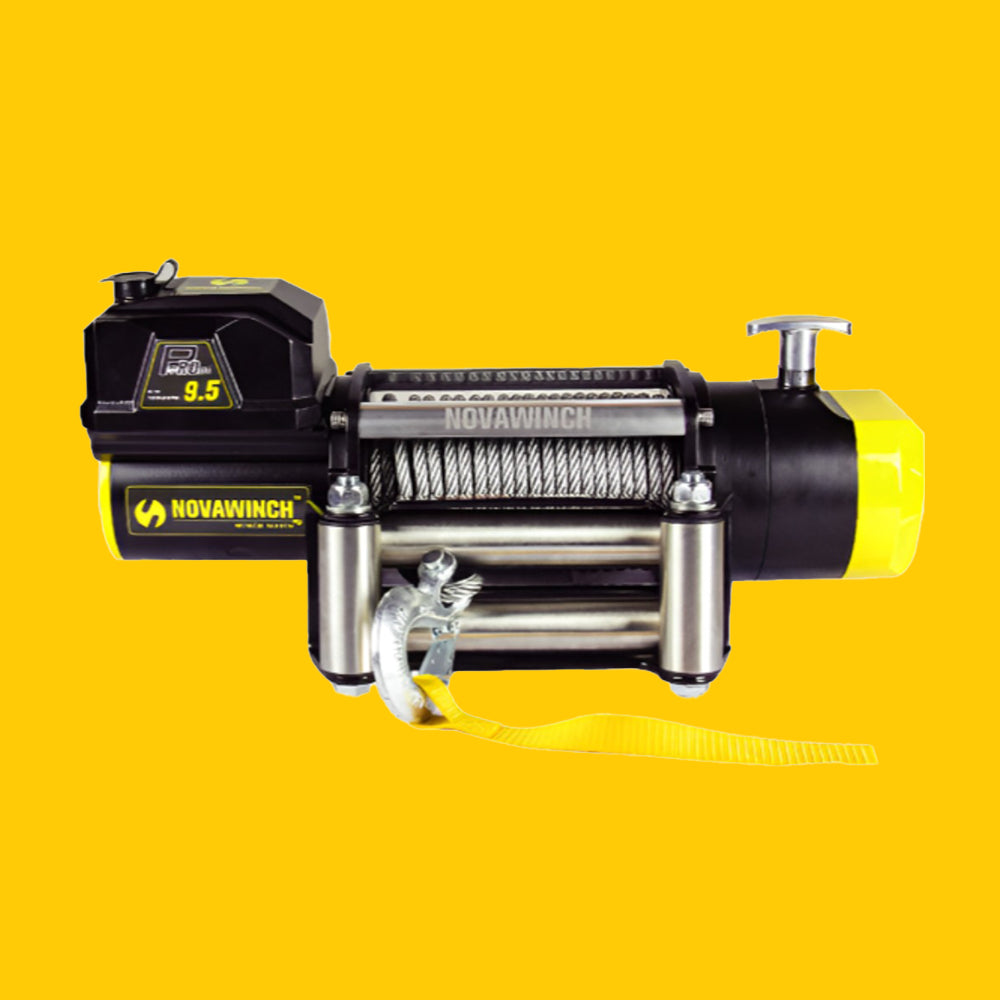
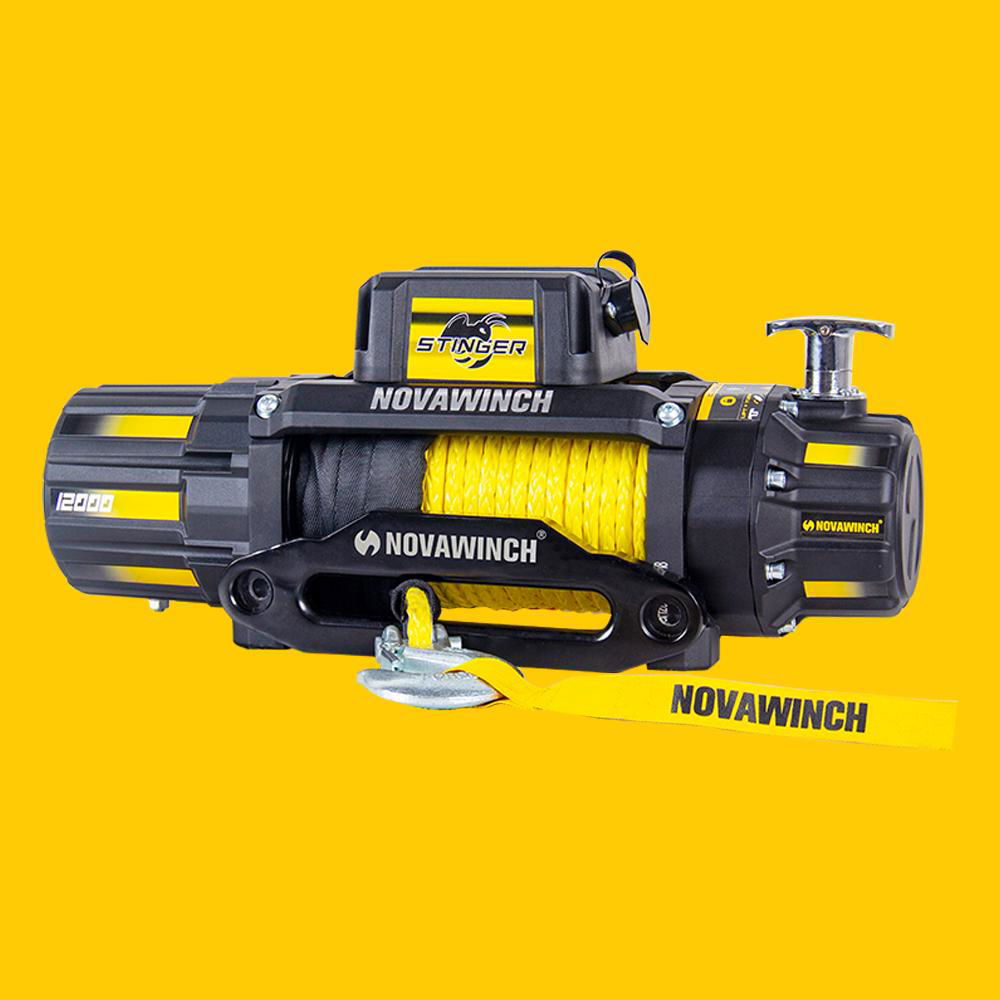
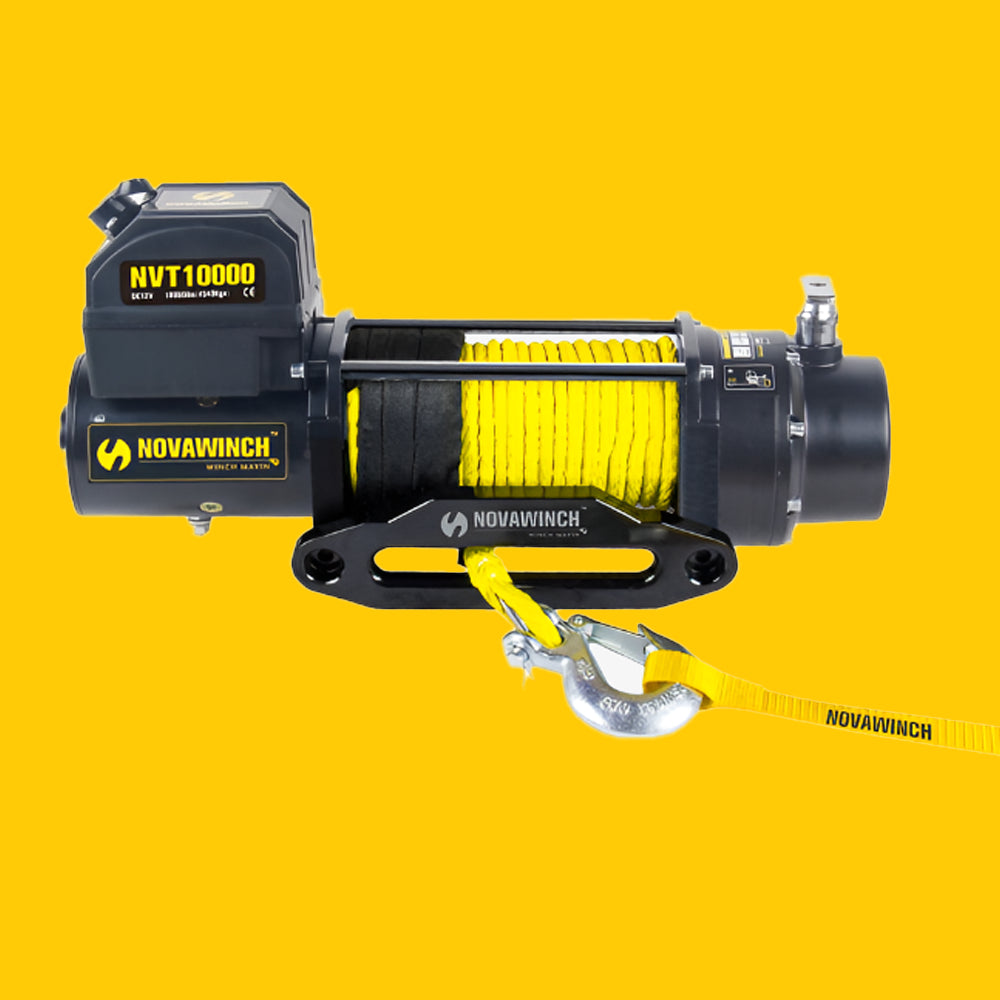
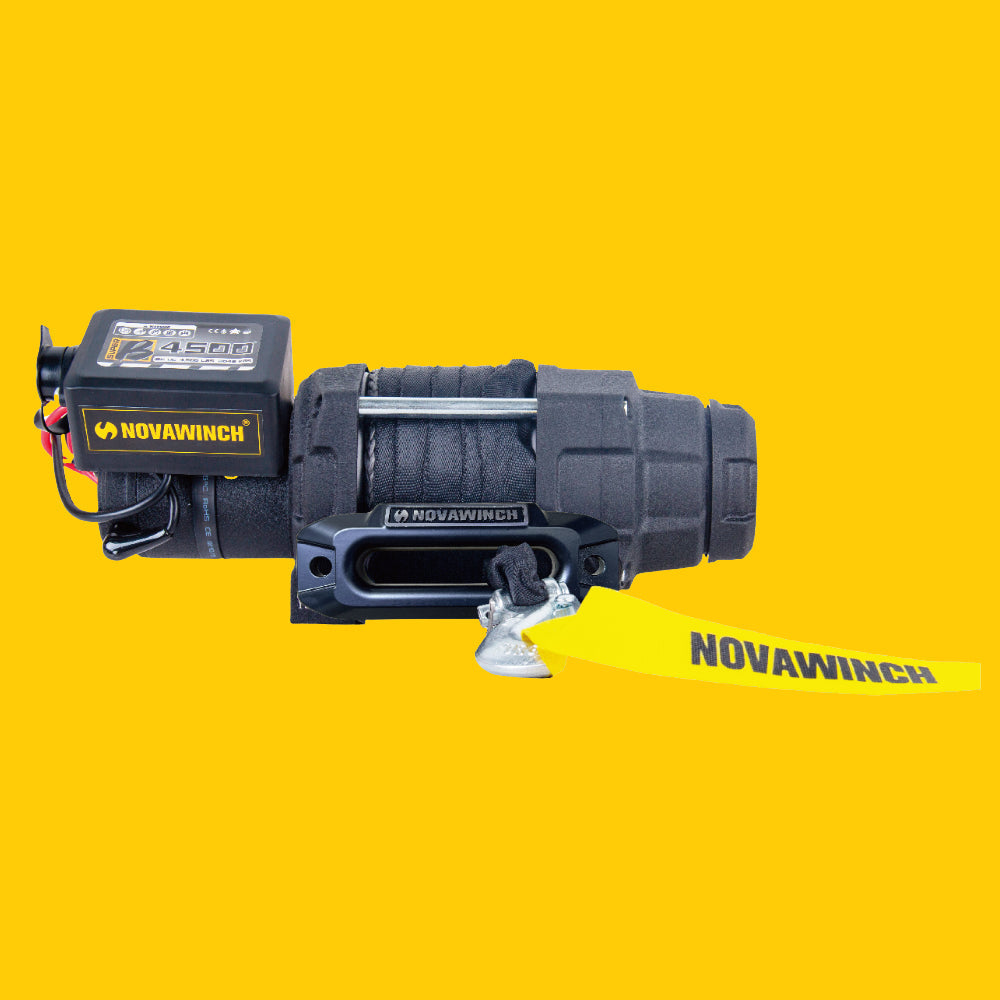
Novawinch 4x4 electric winches are designed for vehicle recovery applications and are available in a range of pulling capacities with synthetic or steel rope options. The range is suitable for Land Rovers, pickups, SUVs and modified off-road vehicles where dependable recovery capability is required.
Mud, water, steep gradients and uneven ground can place substantial loads on a recovery winch, so the correct capacity, electrical installation and recovery equipment are just as important as the winch itself.
Winch capacity is normally chosen with a suitable margin above the fully loaded weight of the vehicle, but vehicle weight alone does not determine the pulling force required.
Deep mud, gradients, damaged tyres, obstacles and the number of rope layers on the drum can all increase the load placed on the winch.
For many typical 4x4s and pickups, winches in the 9,500lb to 12,000lb range are commonly used, but the correct capacity should be based on the vehicle, expected recovery conditions and mounting arrangement rather than a single sizing rule.
If your vehicle carries expedition equipment, tools, roof tents or other permanent loads, consider its fully laden operating weight, not just the manufacturer's kerb weight.
Most conventional 4x4s and pickups use a 12V electrical system, making a 12V electric winch the normal choice for off-road recovery.
Winching under load can draw very high current, so battery condition, alternator output, cable size, connection quality and earth paths all have a major effect on performance.
For occasional self-recovery, a correctly installed winch on a healthy vehicle electrical system may be sufficient. Vehicles used regularly for demanding winching may benefit from upgraded battery capacity or a dedicated electrical setup.
Always follow the winch and vehicle manufacturer's installation recommendations.
Both synthetic rope and steel wire rope can be suitable for 4x4 recovery, but each has different advantages.
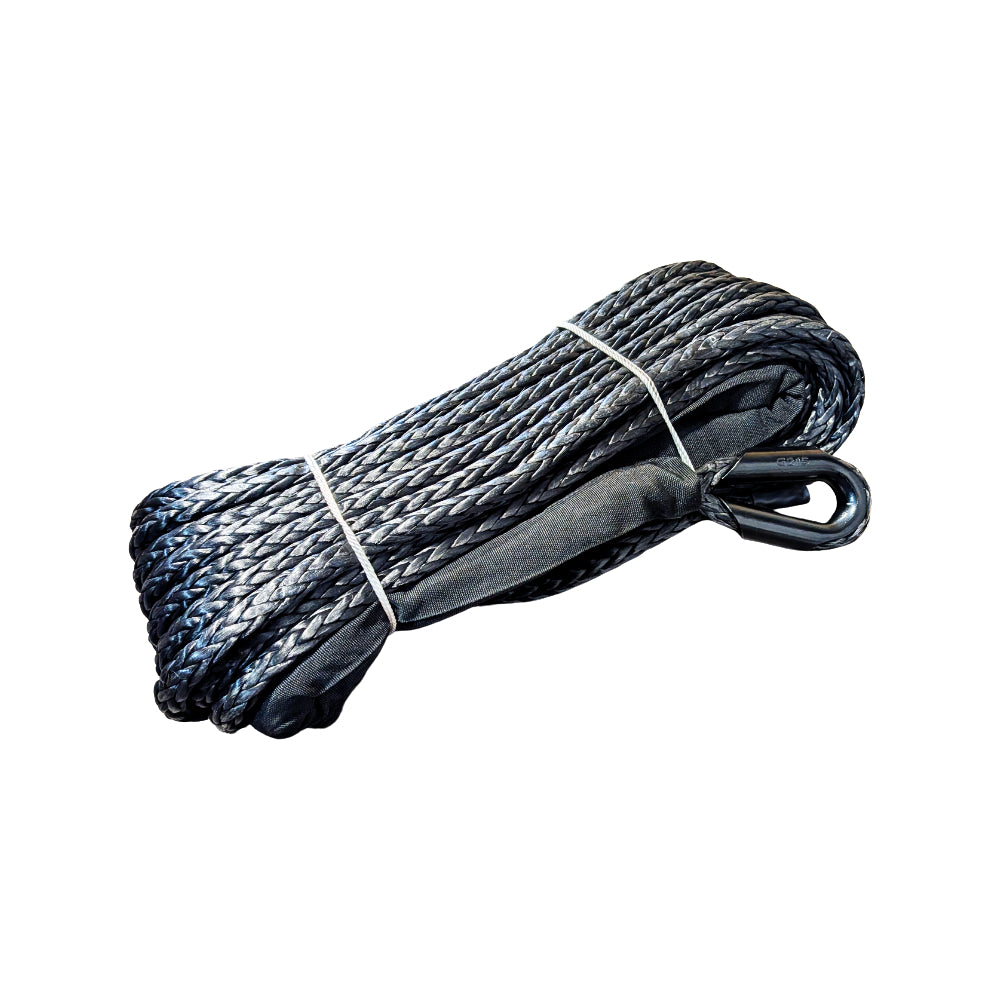
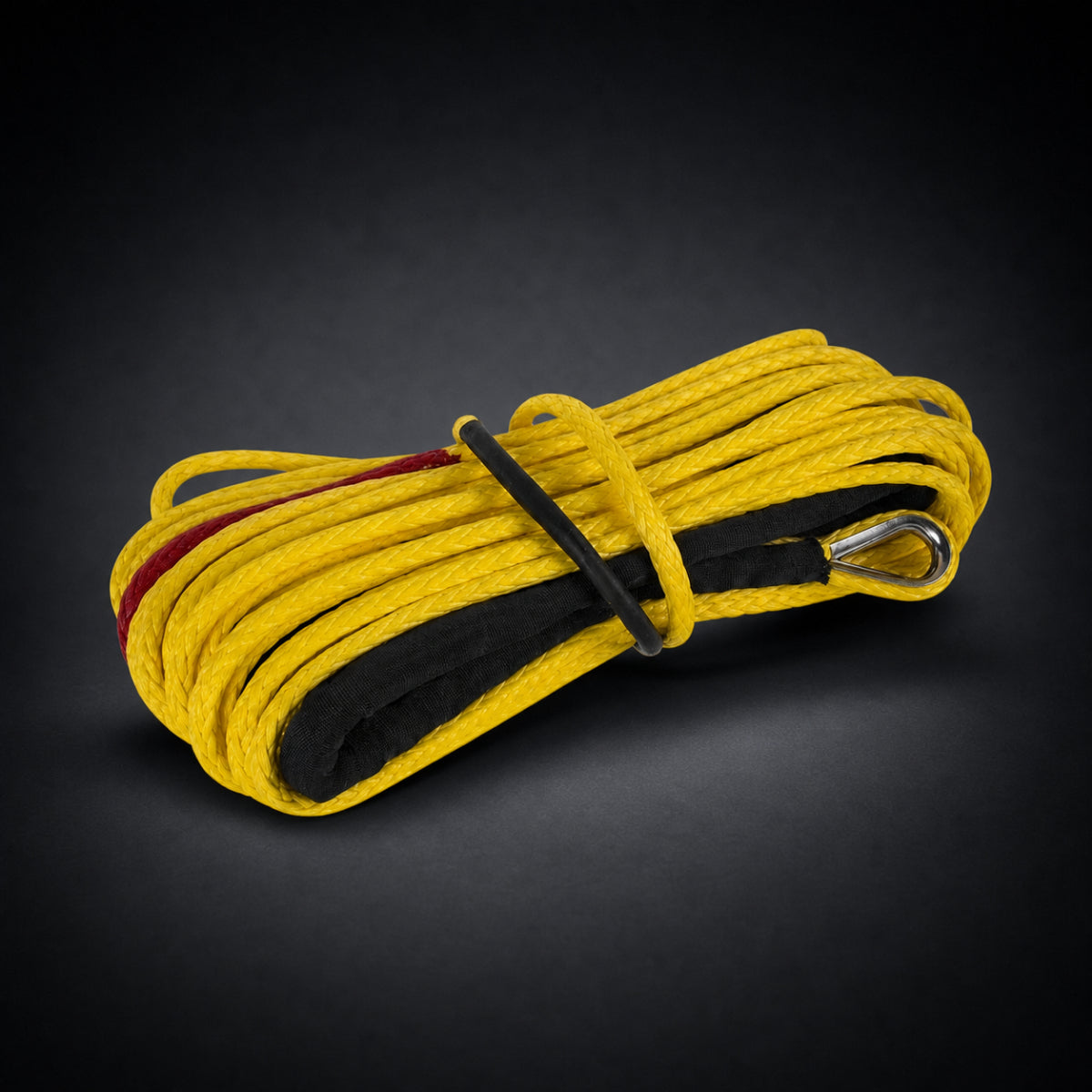
Synthetic rope is lightweight, easy to handle and does not develop the sharp broken strands associated with steel wire. Its lower weight can also be useful when a winch is mounted at the front of a vehicle.
Steel wire rope is highly resistant to abrasion and may be preferable where the rope is regularly exposed to rough surfaces, sharp edges or demanding working environments.
Whichever rope type you choose, regular inspection is essential. Damaged, contaminated or incorrectly spooled rope should be dealt with before the next recovery.
A 4x4 winch must be mounted to a properly designed winch tray, bumper or mounting system capable of handling the loads involved.
Compatibility varies between vehicles, so check:
The winch itself is only one part of a safe recovery setup.
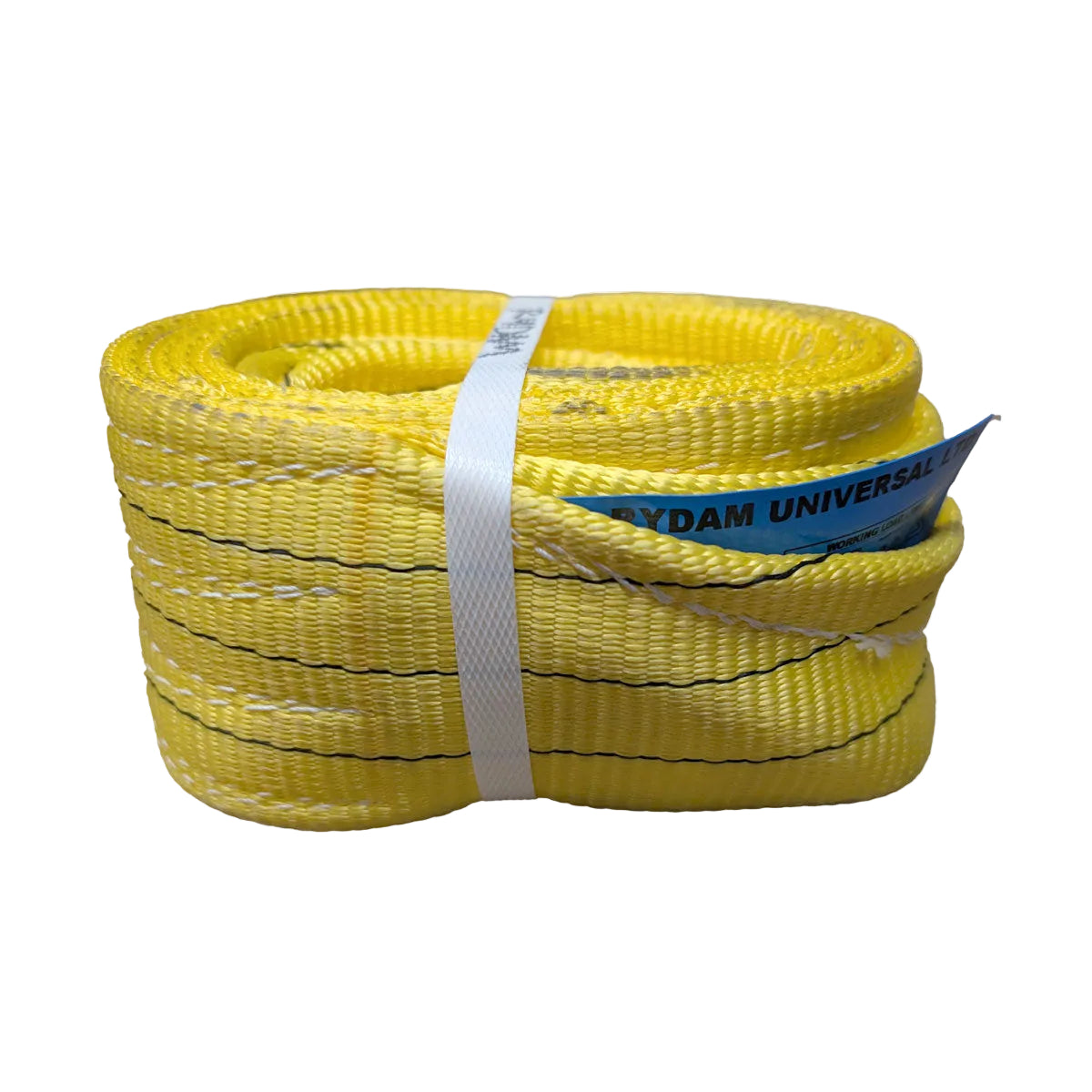
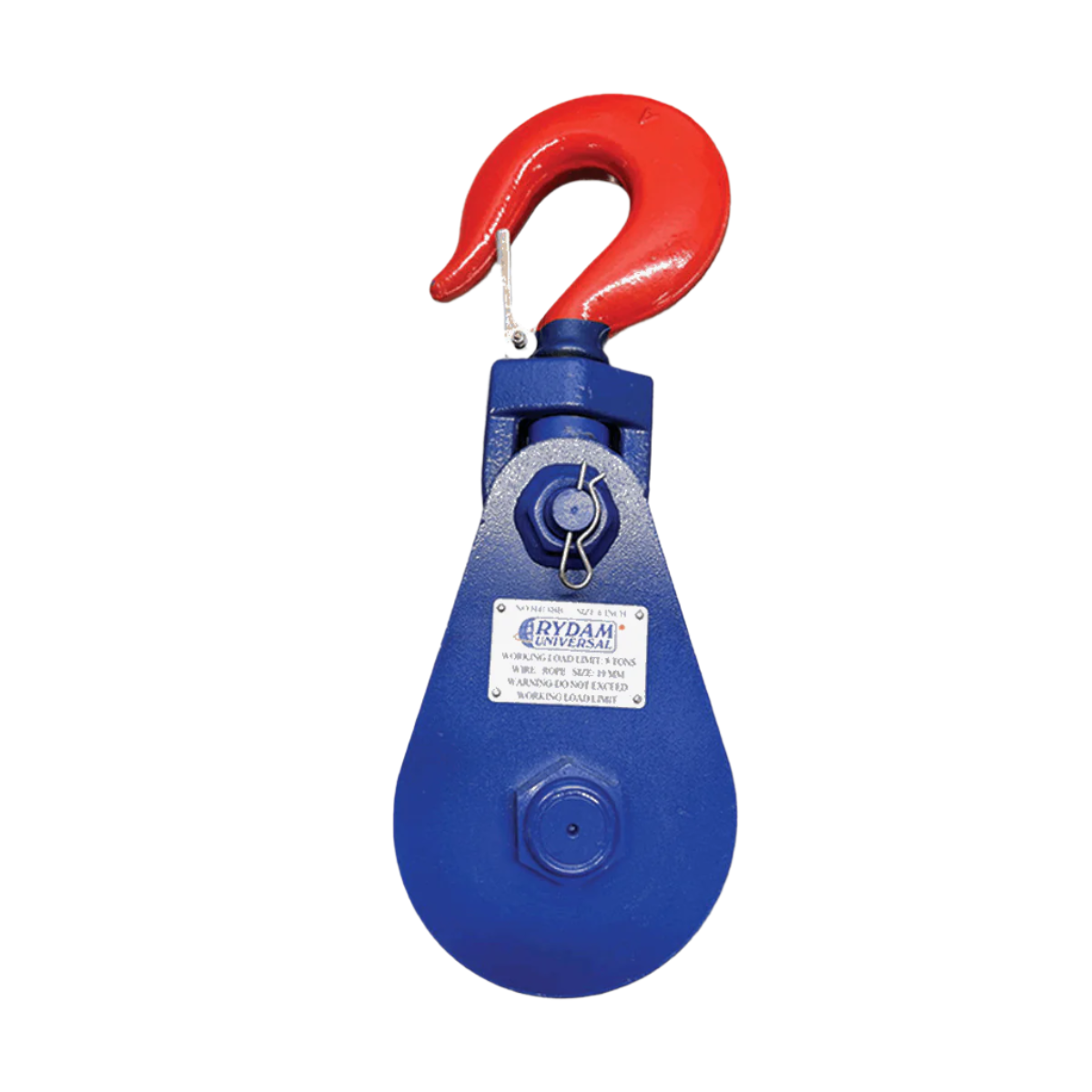
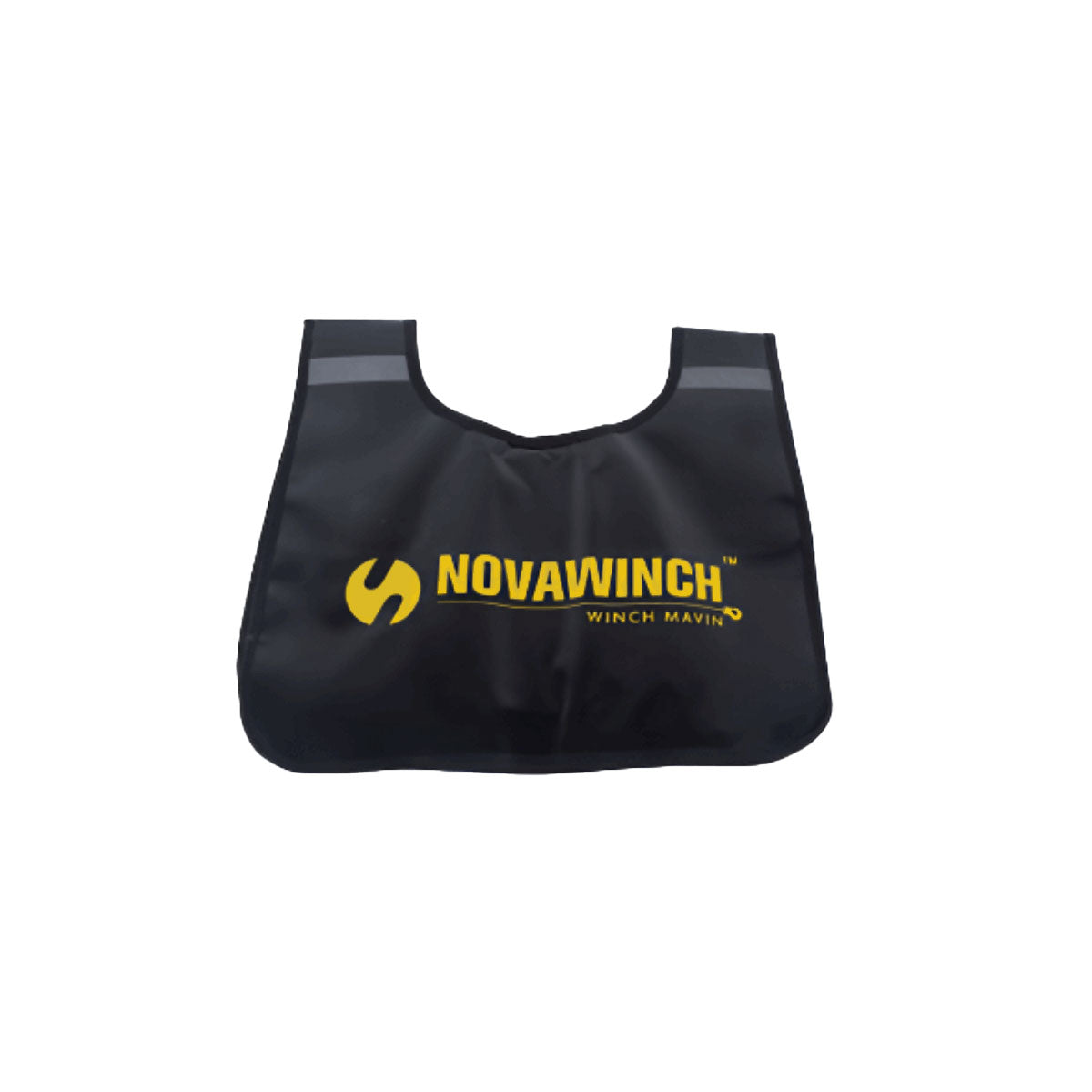
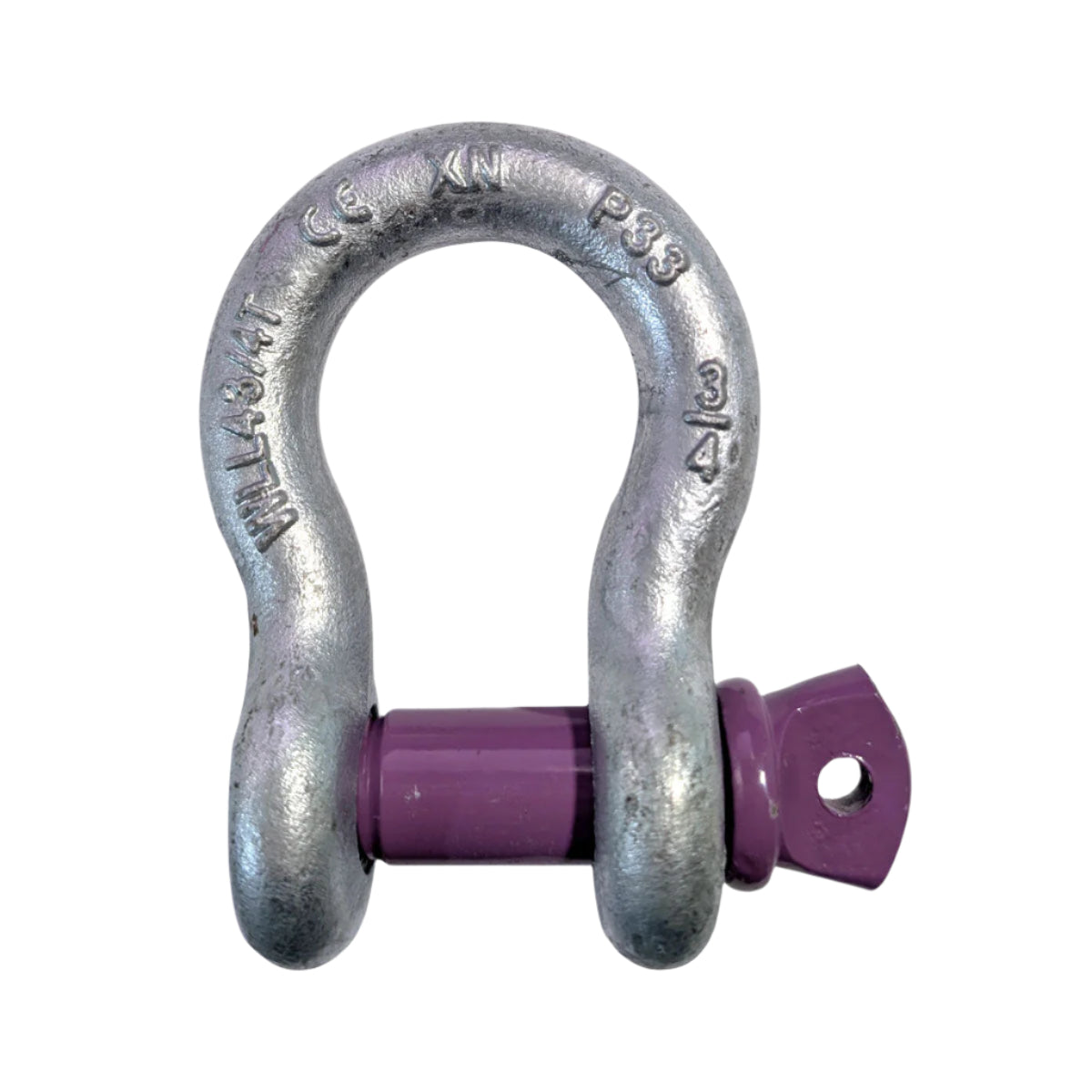
Depending on how the vehicle is used, a complete recovery kit may also include a suitable snatch block or recovery pulley, rated shackles, recovery straps, rope dampener, tree protector and gloves.
A snatch block can be particularly useful because it allows the direction of pull to be changed and can be used to create a mechanical advantage in more demanding recoveries.
All recovery equipment should be appropriately rated for the loads involved.
The best winch for your vehicle depends on more than headline pulling capacity. Consider the vehicle's loaded weight, electrical system, mounting arrangement, expected terrain, rope preference and how frequently the winch will be used.
For occasional greenlaning, your priorities may be low weight and straightforward self-recovery. For expedition, utility or working vehicles, durability and repeated-use capability may be more important.
Browse our range of 4x4 electric winches above, or contact the Novawinch UK team if you need help selecting a winch for your vehicle and recovery requirements.
A common starting point is to choose a winch with a rated line pull comfortably above the fully loaded weight of your vehicle. Many 4x4s and pickups use winches in the 9,500lb to 12,500lb range, but vehicle weight is only part of the calculation. Mud, gradients, damaged tyres, obstacles and the number of rope layers on the drum can all increase the pulling force required.
Both can work well. Synthetic rope is lighter, easier to handle and does not develop sharp wire splinters, making it popular for recreational 4x4 recovery. Steel wire rope offers excellent abrasion resistance and may suit harsher working environments. The best option depends on how and where the vehicle is used.
Electric winches can draw very high current under load. Battery condition, alternator output, cable size and the duration of the pull all affect performance. For occasional self-recovery, a healthy and correctly installed electrical system may be sufficient, while vehicles used for frequent or heavy winching may benefit from additional battery capacity or an upgraded electrical setup.
Selected Novawinch 4x4 winches use sealed components designed for demanding outdoor conditions. Check the individual product specification for the exact IP rating of the winch you are considering, as sealing levels can vary between models.
Not necessarily. The vehicle needs a suitable winch bumper, mounting tray or mounting system capable of handling the loads involved. You should also check available space, mounting pattern, fairlead position, electrical routing and front axle loading before installation.
A dampener is good recovery practice for both synthetic rope and steel wire. It helps control the line if something in the recovery system fails, but it does not replace correct recovery technique, rated equipment or keeping people clear of the loaded line.