%20(1).jpg)
.jpg)


%20(1).jpg)




How to Choose the Right Winch Size for Commercial Vehicle Recovery
Understanding Winch Capacity in Commercial Recovery
When recovering a stranded 44-tonne articulated lorry from a muddy embankment, guessing your winch capacity is not an option. Commercial vehicle recovery demands absolute precision, as undersized equipment jeopardises operator safety and risks severe vehicle damage. It also directly violates UK compliance standards, leading to hefty fines and invalidated insurance.
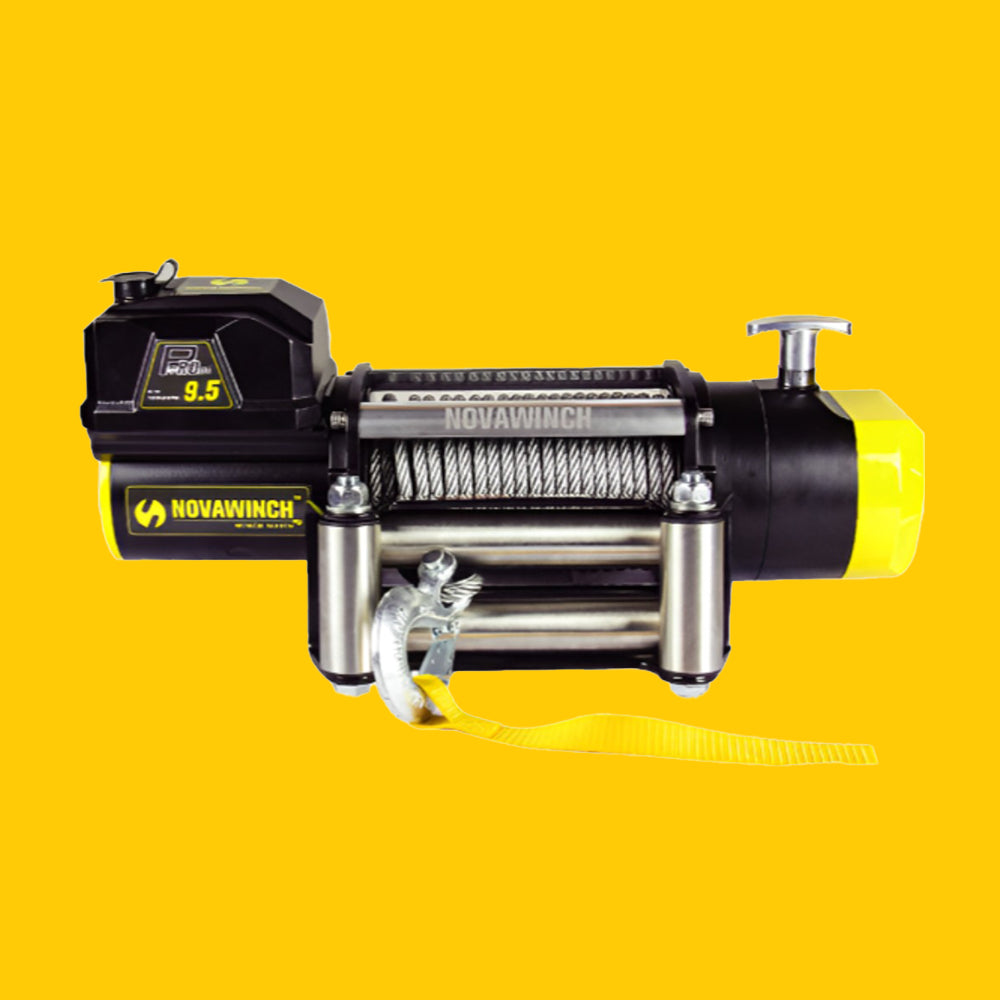
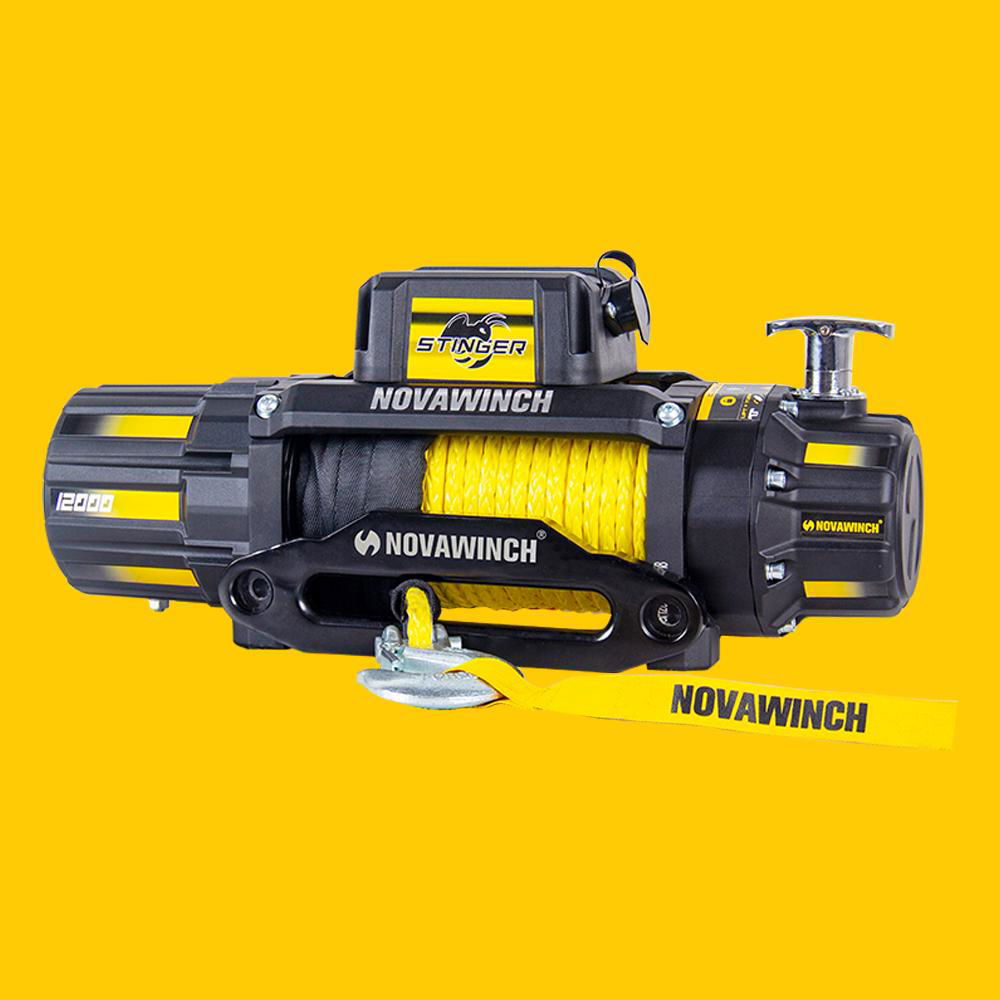
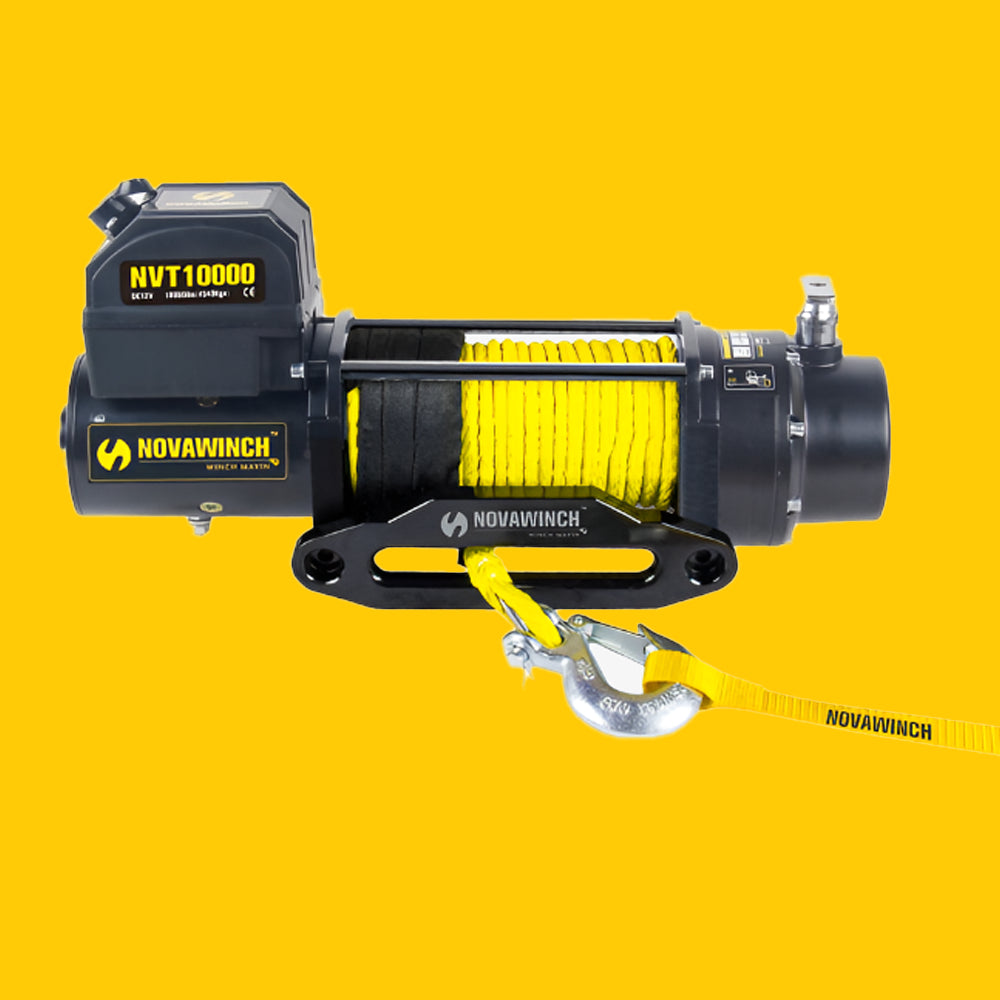
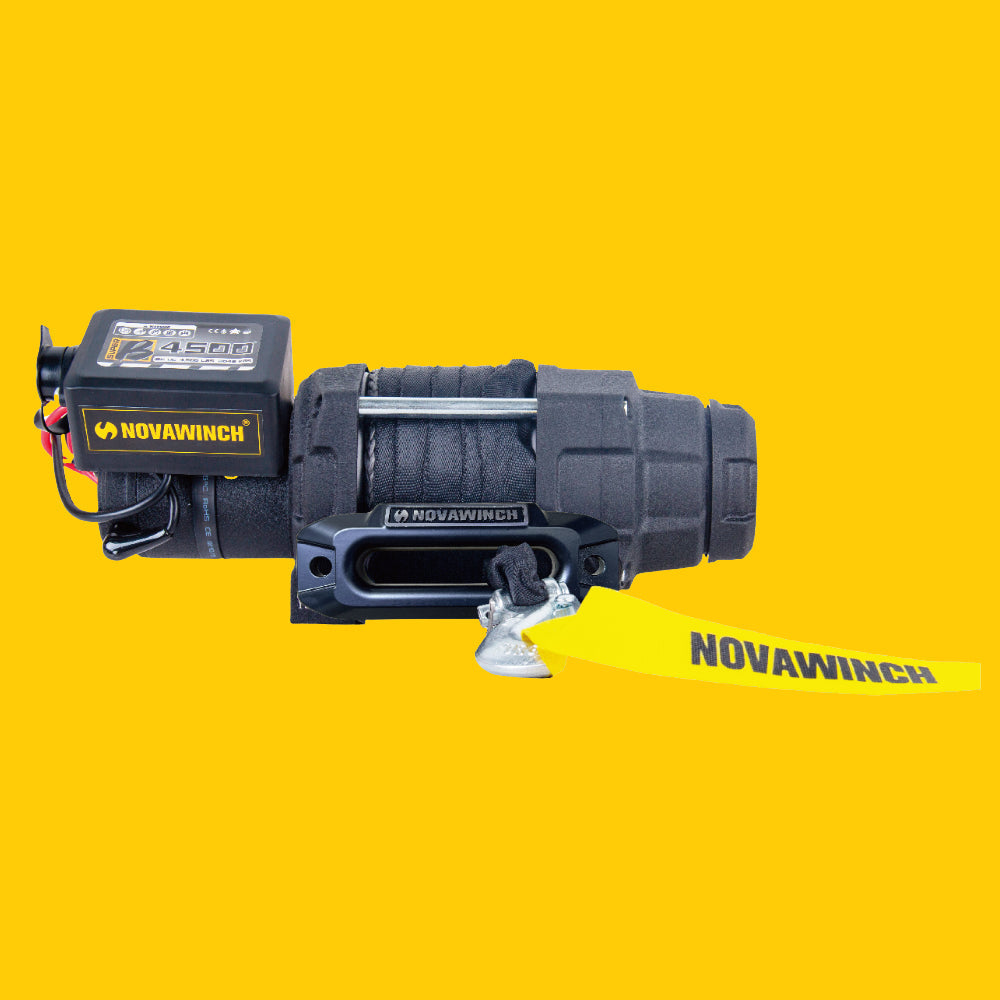
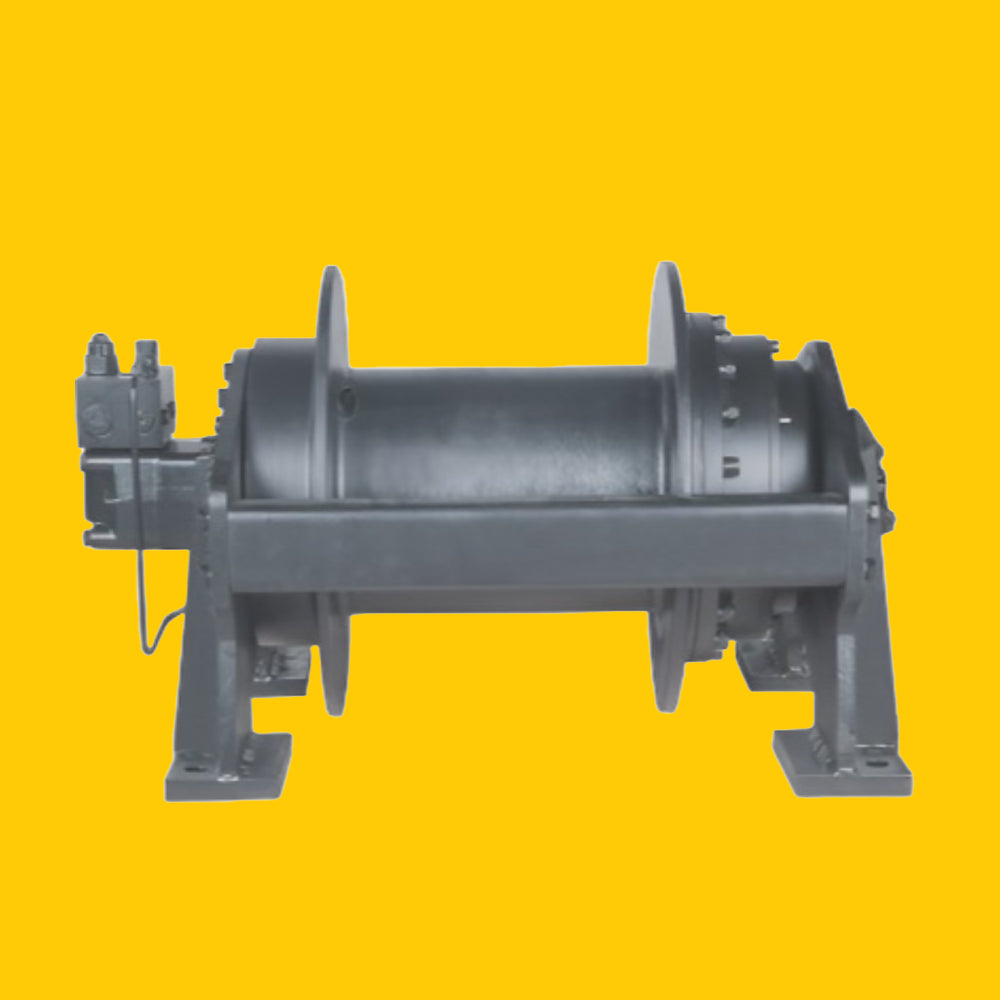
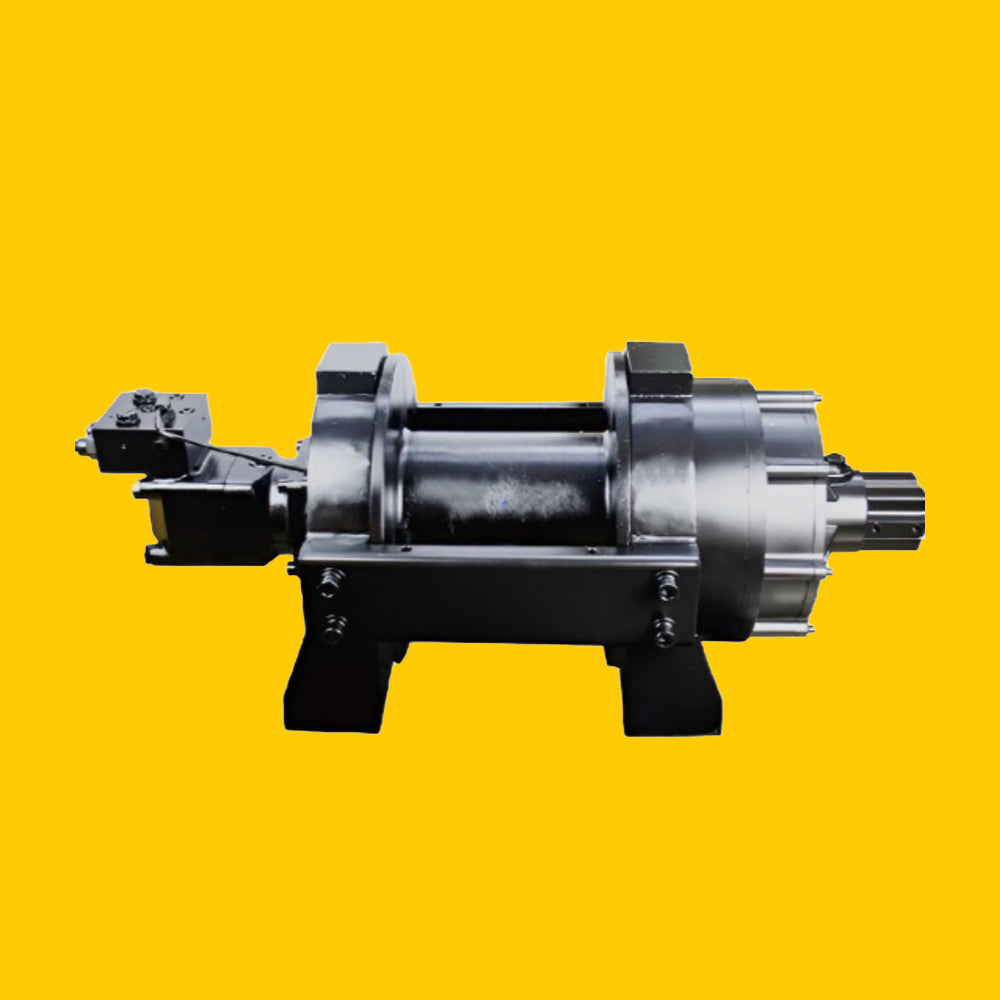
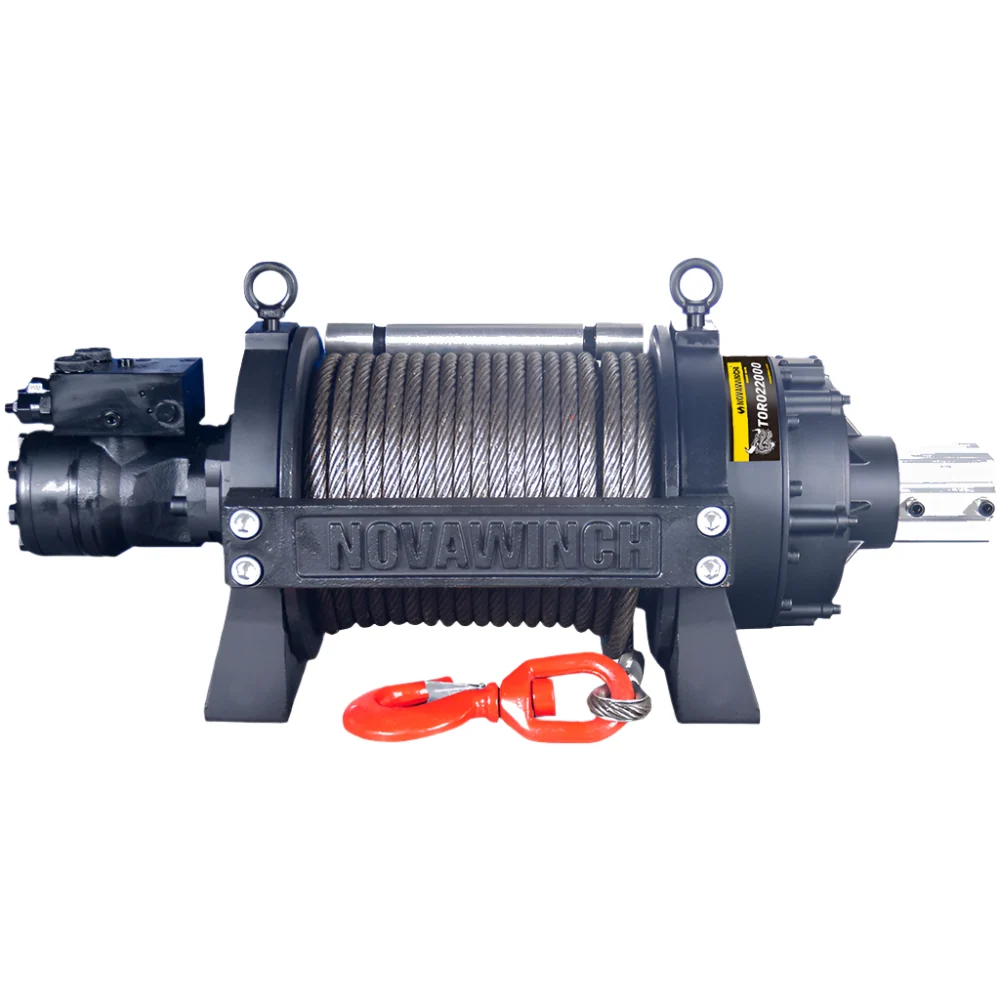
A winch’s capacity, often referred to as its line pull rating, indicates the maximum amount of weight the winch can pull safely. Crucially, this rating is calculated based on the first layer of cable closest to the drum. As the cable spools up and layers increase, the winch's effective pulling power decreases significantly.
The Golden Rule: Gross Vehicle Weight (GVW)
The foundation of any commercial winching calculation is the Gross Vehicle Weight (GVW) of the casualty vehicle. You must never base your calculations on the unladen or kerb weight, as commercial vehicles are frequently recovered while fully loaded. Always assume the vehicle is operating at its maximum plated GVW to ensure a safe margin of error.
Rolling Weight vs. Dead Weight
The 1.5x formula applies strictly to rolling weight, where the casualty vehicle can move freely on its own wheels over a hard surface. If the vehicle is bogged down in mud, has seized brakes, or is missing wheels, it becomes a dead weight.
Recovering a dead weight requires significantly more power to overcome static friction and suction. In these scenarios, you must double or even triple your winch capacity requirements to safely complete the job. If your primary winch lacks the raw capacity, you will need to rely on mechanical advantage.
Factoring in Gradients and Surface Resistance
Pulling a vehicle up a gradient drastically increases the required line pull. A modest 15-degree incline adds approximately 25% of the vehicle’s GVW to the required pulling force. Similarly, surface types like soft mud or loose gravel create massive resistance compared to solid tarmac.
Winch Capacity Reference Chart
Below is a baseline reference chart for commercial vehicle recovery. These figures assume a rolling load on a flat tarmac surface, incorporating the 1.5x safety multiplier.
Note: For dead weights or steep gradients, these minimums must be increased or supplemented with mechanical aids.
Key Equipment to Maximise Winch Pulling Power
Even the most robust commercial winches occasionally face loads that exceed their direct line pull rating. Upgrading your winch is not always the immediate answer. Often, employing the correct recovery accessories allows you to safely manipulate physics to your advantage.
Snatch Blocks and Pulley Systems
A snatch block is a heavy-duty pulley that allows you to double your winch’s pulling power. By running the winch cable through a snatch block attached to the casualty vehicle and routing it back to a secure anchor point on your recovery truck, you halve the load on the winch.
While this technique doubles your pulling capacity, it also halves your line speed. This is a crucial trade-off during live-lane motorway recoveries where time is of the essence, but it remains the safest way to tackle extreme dead weights.

Legal and Safety Considerations (UK)
Commercial vehicle recovery in the UK is heavily regulated to protect operators and the public. Selecting a winch with adequate capacity is just the first step in maintaining compliance. Your entire rigging setup, from the winch rope to the shackles, must be rated for the task at hand.
LOLER Regulations and WLL
Under the Lifting Operations and Lifting Equipment Regulations 1998 (LOLER), all recovery equipment must be thoroughly examined by a competent person at regular intervals. Your winch, ropes, and accessories will all have a Working Load Limit (WLL) stamped or tagged on them.
You must ensure that the weakest link in your setup still exceeds the required pulling force. Using a 30-tonne rated winch with a shackle that has a WLL of just 5 tonnes creates a catastrophic safety hazard. Always inspect synthetic ropes for fraying and steel cables for kinks or broken strands prior to every recovery.
Upgrading Your Commercial Recovery Setup
Choosing the right winch size is a balance of understanding the mathematics of recovery and preparing for worst-case scenarios. Always calculate based on the maximum GVW, account for the terrain, and never compromise on the quality of your rigging hardware.
Equipping your fleet with properly sized, compliant winching systems guarantees faster, safer, and more efficient roadside resolutions. If your current equipment is struggling with heavy dead weights, it is time to reassess your load limits.