%20(1).jpg)
.jpg)


%20(1).jpg)

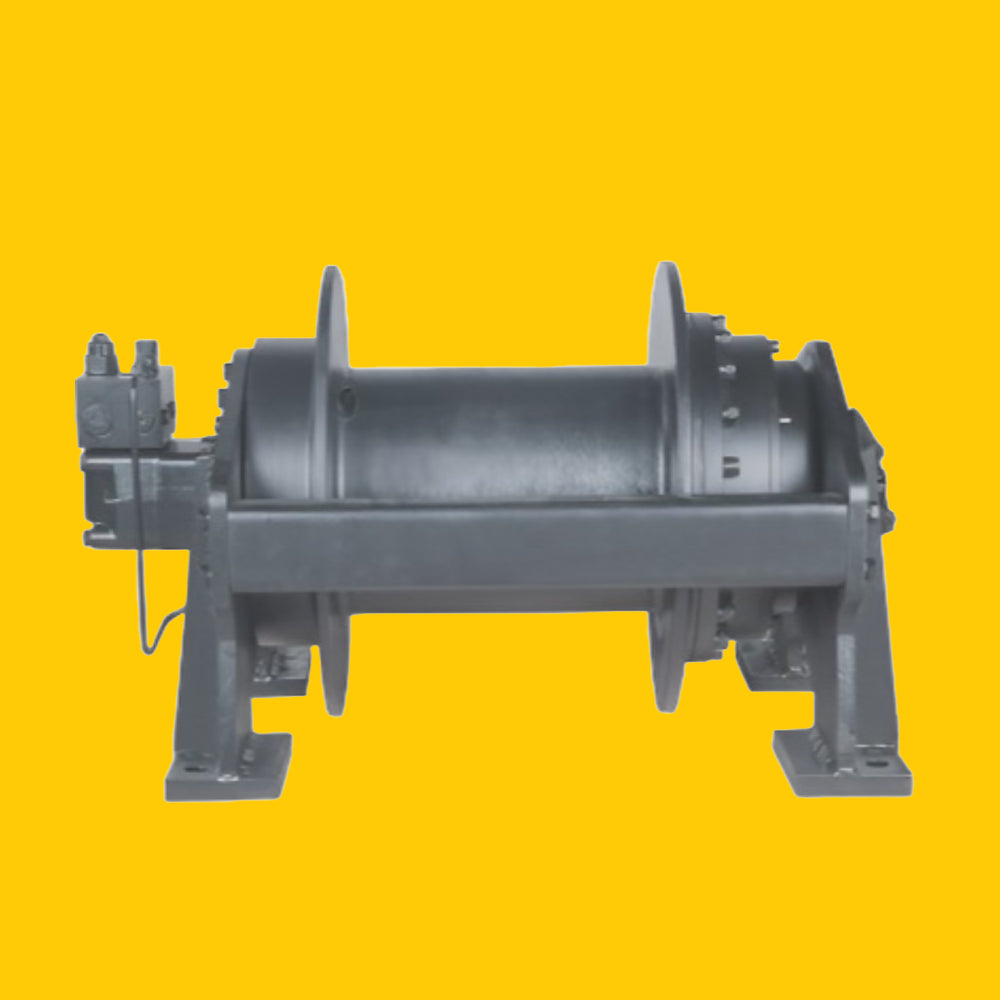

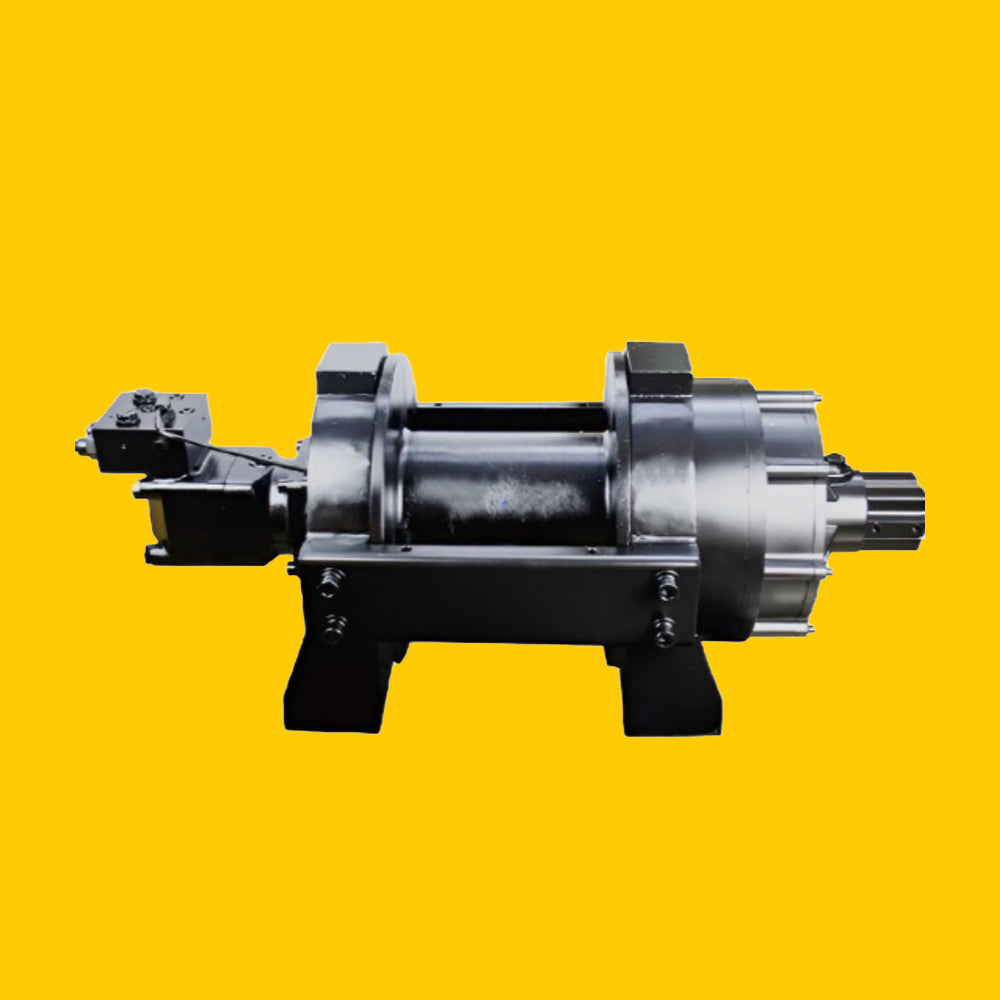


Best Winch for a Recovery Truck: Complete UK Buyer’s Guide
Choosing the right winch for a recovery truck involves much more than finding the highest pulling capacity you can fit to the vehicle. A winch that works well on a light car transporter may be completely unsuitable for a recovery truck regularly handling vans, damaged vehicles or heavier commercial vehicles.
For professional recovery work, you need to consider how the winch will actually be used: the vehicles being recovered, how frequently the winch operates, whether those vehicles can roll freely, the length and angle of typical pulls, the truck's electrical or hydraulic system and the pulling capacity available as the winch drum fills.
There is also the fundamental choice between electric and hydraulic power. A 24V electric winch can be an excellent solution for many flatbeds and recovery vehicles, while a properly specified hydraulic system is generally better suited to frequent, sustained and heavier recovery work.
This guide explains the main factors to consider when choosing a winch for a professional recovery truck, helping you narrow down the type and specification that best suits your vehicle and workload.
What Is the Best Winch for a Recovery Truck?
There isn't one recovery winch that is best for every truck. The correct choice depends on the recovery vehicle, the loads it will encounter and how intensively the winch will be used.
As a general starting point, professional recovery applications can be divided into several broad categories:
- Car transporters and lighter recovery vehicles: typically use electric winches where pulls are relatively short and intermittent.
- Professional car and van recovery trucks: commonly use heavy-duty 24V electric or hydraulic winches depending on workload and vehicle configuration.
- Medium and heavy recovery vehicles: are increasingly suited to hydraulic systems because of the greater loads and more demanding duty requirements.
- Heavy wreckers and specialist recovery vehicles: generally require application-specific hydraulic systems designed around the vehicle, hydraulic supply and expected recovery loads.
These aren't fixed capacity rules. Two recovery trucks with similar gross vehicle weights can require very different winches depending on what they're expected to recover.
A truck primarily loading freely rolling cars onto a slide-bed presents a very different requirement from one expected to recover damaged vans with locked wheels from difficult positions.
The best recovery truck winch is therefore the one correctly matched to the realistic worst-case recovery conditions, rather than simply the weight of the recovery truck itself.
Start With What You Actually Recover
Before comparing winch specifications, establish what the recovery vehicle is expected to handle.
For a car transporter carrying normal running vehicles, the winch may primarily be used to pull cars up a relatively predictable loading angle. The winch is performing controlled loading work, often for relatively short periods.
A roadside recovery vehicle can face much less predictable conditions. A casualty may have damaged suspension, flat tyres, locked wheels or steering that prevents it from rolling freely. It might also be positioned on soft ground, against a kerb or at an awkward angle to the recovery vehicle.
Heavy recovery introduces another level of demand, potentially involving commercial vehicles, plant and loads that require considerably greater pulling force and more complex rigging.
When specifying the winch, consider the heaviest vehicles you realistically expect to recover, but also consider how difficult those vehicles may be to move.
Vehicle weight is only the starting point.
Don't Choose a Winch From Vehicle Weight Alone
One of the most common mistakes when sizing a recovery winch is treating vehicle weight as though it were the same as the pulling force required.
It isn't.
A 2,000kg vehicle does not automatically require 2,000kg of line pull to move it. A freely rolling vehicle on level hard ground may require only a fraction of its total weight to keep it moving. Once resistance increases, however, the required pulling force can rise significantly.
Important factors include:
- Vehicle weight
- Rolling resistance
- Flat, damaged or locked tyres
- Damaged suspension
- Gradient
- Soft or uneven ground
- Kerbs and other obstacles
- Recovery angle
- Rope direction and rigging
- The amount of rope remaining on the winch drum
This is why simple formulas such as choosing a winch at 1.5 times vehicle weight can be useful as rough rules of thumb in some recreational applications but shouldn't be treated as a professional recovery specification.
For a more detailed explanation of this subject, see our guide: What Size Winch Do I Need for a Recovery Truck?
24V Electric or Hydraulic: Which Is Better?
For professional recovery vehicles, one of the biggest decisions is whether to use an electric or hydraulic winch.
Neither is automatically better. They suit different operating requirements.
When a 24V Electric Winch Makes Sense
A 24V electric winch can be an excellent option where the recovery vehicle already has a suitable 24V electrical system and winching is relatively intermittent.
Electric systems are comparatively straightforward to install because they don't require a hydraulic pump, reservoir, control valve and associated pipework. This makes them particularly attractive for flatbed transporters and recovery vehicles where the winch is primarily used for loading vehicles rather than prolonged heavy recovery.
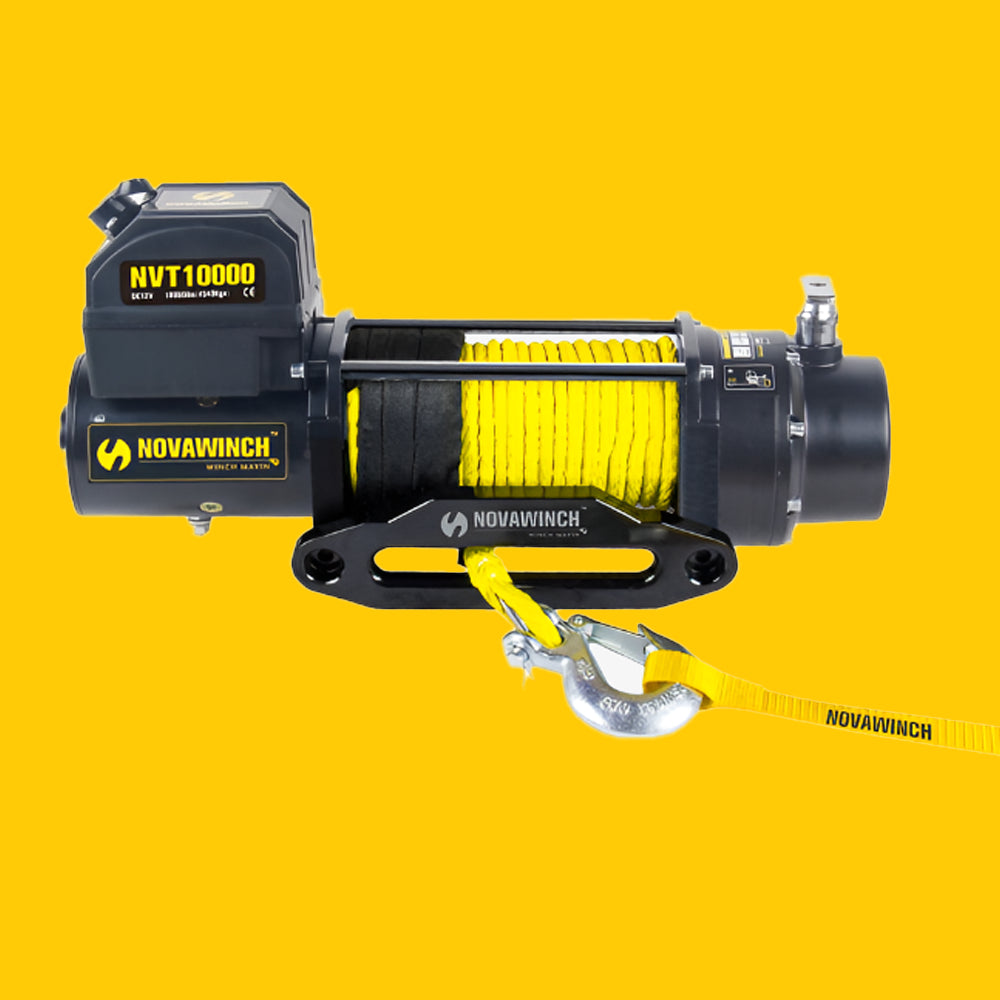
A heavy-duty 24V electric winch can also provide substantial pulling capacity. The Novawinch NVT18000, for example, has an 18,000lb (8,172kg) rated single-line pull and uses a 24V 6.2kW motor. At its rated first-layer load it draws approximately 220A, demonstrating why the truck's batteries, alternator, cabling and electrical installation are an important part of the overall winch specification.
Electric winches do, however, convert a substantial amount of electrical energy into mechanical work. Repeated or prolonged high-load operation can therefore place significant demand on the vehicle's electrical system and generate heat in the motor and associated components.
For many transporters and light-to-medium recovery applications, this is an acceptable trade-off for the simplicity of an electric installation.
When a Hydraulic Winch Makes Sense
Hydraulic winches become particularly attractive when the recovery truck already has a suitable hydraulic system or when frequent and sustained winching is expected.
Instead of drawing high current from the vehicle batteries, a hydraulic winch is driven by pressurised hydraulic oil supplied by the vehicle's hydraulic system. This makes hydraulic systems well suited to professional recovery vehicles that need to perform repeated or longer pulls.
Hydraulic systems can also scale to considerably heavier recovery applications. Novawinch's current hydraulic range includes commercial recovery winches through to specialist heavy-duty units with first-layer capacities reaching 45,000lb.
The trade-off is installation complexity. Hydraulic pressure, flow rate, hose sizing, reservoir capacity, filtration, control valves and heat management all need to be correctly matched to the winch and vehicle.
A hydraulic winch isn't simply a component that can be connected to any available hydraulic circuit. The complete system needs to be designed to deliver the pressure and flow required by the selected winch.
24V Electric vs Hydraulic Recovery Winch: Quick Comparison
How Much Winch Capacity Do You Need?
Once you've decided whether electric or hydraulic power is more appropriate, the next question is capacity.
This is where it is important to distinguish between rated winch capacity and the actual force required to perform a recovery.
A winch rated at 18,000lb doesn't mean it is intended only for vehicles weighing 18,000lb, nor does it mean it can provide 18,000lb of line pull in every situation. The required pulling force depends on resistance, while the available winch line pull changes according to the rope layer on the drum.
For professional recovery work, capacity should therefore provide an appropriate margin over the expected pulling requirement while accounting for realistic recovery conditions.
Light Vehicle and Car Transporter Applications
Where a transporter is primarily loading normal cars and light vehicles that can roll freely, an electric winch can often provide the required combination of simplicity, pulling capacity and control.
The important distinction is that a transporter used exclusively for routine vehicle loading has a much more predictable workload than a roadside recovery truck.
If the vehicle may also be expected to recover damaged cars, vans or non-rolling casualties, the specification should reflect those more demanding conditions rather than the easiest loading jobs.
Professional Car and Van Recovery
For a recovery truck regularly handling cars and vans, greater capacity provides additional flexibility when dealing with damaged vehicles and increased rolling resistance.
This is where heavy-duty 24V electric and hydraulic systems begin to overlap. The correct choice often depends less on headline pulling capacity and more on how frequently the winch will be used and how long it will operate under significant load.
An operator performing occasional loading pulls may be well served by a properly specified 24V electric system. A truck performing repeated recoveries throughout the working day may benefit more from hydraulic power.
Heavy and Specialist Recovery
As vehicle weights, recovery resistance and operating frequency increase, hydraulic systems become increasingly attractive.
Heavy recovery vehicles may also require substantially greater rope capacity, more sophisticated controls and winches designed specifically around the hydraulic system of the truck.
At this level, the winch should be treated as part of an engineered recovery system rather than selected as an isolated accessory.
Don't Forget About Drum Layers
One of the most overlooked specifications when comparing recovery winches is line pull by drum layer.
A winch normally develops its greatest rated pulling force with the rope operating on the first layer around the drum. As the rope builds up, the effective drum diameter increases and available line pull decreases.
This can make a significant difference.
For example, the Novawinch HEN18000 hydraulic winch is rated at 18,000lb (8,165kg) on its first layer. Its rated line pull reduces to 15,000lb on layer two, 12,857lb on layer three and 11,250lb on layer four.
That means the rated pull available on the fourth layer is 37.5% lower than on the first.
This is particularly relevant on recovery trucks because many loading and recovery operations involve relatively short pulls. If only a few metres of rope are paid out, several layers may remain on the drum and the winch may not be operating anywhere near its maximum first-layer capacity.
We've covered this in detail in our guide: Winch Line Pull Explained: Why Your Winch Loses Pulling Power as the Drum Fills.
Line Speed Matters Too
Pulling capacity attracts most of the attention, but line speed can have a major effect on how a recovery winch feels in everyday use.
A very powerful winch that retrieves rope extremely slowly may be frustrating for frequent vehicle loading. Conversely, chasing high line speed without sufficient pulling capacity or control can result in a winch poorly suited to demanding recovery work.
Line speed also changes with drum layer. As the effective drum diameter increases, more rope is retrieved with each revolution, so line speed generally increases as the drum fills while available line pull decreases.
When comparing winches, look at performance under load rather than only the no-load line-speed figure.
For a working recovery truck, the useful specification is not simply "How fast is the winch?" but "How fast does it pull at the loads I am likely to encounter?"
Consider How Often the Winch Will Be Used
Two recovery trucks could handle identical vehicles and still require different winches because their operating patterns are different.
A transporter that performs a handful of short loading operations each day presents a relatively modest duty requirement. A busy roadside recovery truck might perform repeated winching operations throughout a shift, while a heavy recovery vehicle may need to sustain substantial loads for considerably longer periods.
This is where duty cycle becomes important.
Electric motors, contactors, cables and batteries generate heat when carrying high current. The harder and longer an electric winch operates, the more important electrical capacity and heat management become.
A correctly designed hydraulic system is generally better suited to sustained operation, although hydraulic systems also generate heat and still need suitable oil capacity, filtration and cooling.
If the truck will winch frequently throughout the working day, duty requirement should be considered alongside pulling capacity from the beginning.
Check the Truck's Electrical System Before Choosing a 24V Winch
A large 24V recovery winch places substantial demand on the vehicle electrical system.
The Novawinch NVT18000 provides a useful example. Its 24V 6.2kW motor draws approximately 220A at its rated 18,000lb first-layer load.
That doesn't mean you simply need an alternator rated above 220A. Batteries provide energy during high-demand winching and the charging system replenishes that energy afterwards. The suitability of the overall system depends on the batteries, alternator output, cable sizes, cable lengths, connections, isolators and expected winching duration.
Voltage drop is particularly important. Undersized cables, poor connections or excessive cable runs can reduce the voltage reaching the winch while generating unwanted heat in the electrical system.
A powerful electric winch therefore needs a properly designed electrical installation. Fitting a larger winch to an inadequate electrical system doesn't create a more capable recovery vehicle.
Check Hydraulic Pressure and Flow Before Choosing a Hydraulic Winch
Hydraulic winches need the same system-level approach.
Every hydraulic winch is designed around particular pressure and oil-flow requirements. Pressure is closely related to the torque the hydraulic motor can produce, while oil flow has a major influence on motor speed and therefore winch line speed.
For example, the Novawinch HEN18000 specifies a working pressure differential of 2,320psi (16MPa) and a 60L/min oil supply, with a recommended flow range of 35–75L/min.
Larger winches may require different system characteristics. The HEN25000, for example, produces a 25,000lb first-layer line pull and specifies 70L/min oil flow.
Before selecting a hydraulic winch, establish what the recovery vehicle's hydraulic system can reliably supply. Pump capacity, PTO arrangement, operating pressure, oil reservoir, hose sizing, filtration, relief valves and cooling all need to be considered.
The hydraulic system and winch should be specified together.
Steel Wire Rope or Synthetic Rope?
Both steel wire rope and synthetic rope can be used in recovery applications, but each has different characteristics.
Steel wire rope is well established in professional recovery and offers excellent abrasion resistance and durability in harsh working environments. It is also less vulnerable to damage from contact with rough surfaces than many synthetic ropes.
Synthetic rope is considerably lighter and easier to handle, which can be valuable when operators regularly pull substantial lengths of rope from the drum. It doesn't develop the same sharp wire splinters associated with damaged steel cable, although it requires appropriate inspection and protection from abrasion, contamination and heat.
There isn't a universal winner for every recovery truck. The correct choice depends on the winch, working environment, operator preference and recovery procedures.
Whichever rope is used, it must be correctly specified for the winch and application, and its condition should form part of routine equipment inspections.
Rope Capacity Is More Important Than It Looks
More rope capacity isn't automatically better.
A large drum carrying a long length of rope gives the operator greater reach, but additional rope also creates more drum layers. As we've already seen, the winch produces less line pull on those outer layers.
Too little rope creates the opposite problem: excellent access to the lower layers but insufficient reach when the casualty vehicle is further away.
For a recovery truck, rope capacity should therefore reflect the distances encountered in real recoveries while still considering drum-layer performance.
This is one reason detailed manufacturer performance tables are useful. They allow you to see not only how much rope fits on the drum, but how pulling capacity and line speed change as that rope is recovered.
The Winch Mounting Structure Matters Just as Much as the Winch
A recovery winch can only transfer force through whatever it is mounted to.
The mounting structure, chassis attachment points, bolts and surrounding recovery-body structure must therefore be capable of safely carrying the forces generated during winching.
Those forces don't always act perfectly straight ahead. Depending on the recovery arrangement, the winch may experience angled loading and the recovery structure may be subjected to forces in directions that weren't immediately obvious from the headline line-pull rating.
Rigging can increase these forces further. A pulley arrangement may reduce the load required from the winch while increasing the forces carried by other parts of the recovery system.
For professional installations, the winch mounting should be considered part of the recovery vehicle's engineered structure rather than simply a plate strong enough to bolt the winch onto.
What About EN-Rated Recovery Winches?
For professional and specialist applications, you may also encounter winches designed and certified to relevant machinery standards such as EN 14492-1 for power-driven winches.
Novawinch's HEN hydraulic range includes EN-rated models intended for professional commercial recovery and industrial applications. Depending on the application, this can be an important consideration when specifying equipment for commercial fleets and specialist vehicles.
However, choosing an EN-rated winch doesn't remove the need for correct installation, maintenance, inspection, operator training and safe working procedures. The complete recovery system and its intended use still need to be considered.
We'll cover EN 14492-1 and its relevance to UK recovery operators separately in our dedicated compliance guide.
Which Novawinch Is Best for a Recovery Truck?
Rather than naming one model as the "best", it is more useful to divide the range according to application.
For Flatbeds and Intermittent Vehicle Loading
A heavy-duty 24V electric winch can provide a relatively straightforward solution where the truck already has a suitable electrical system and winching periods are comparatively short.
For example, the Novawinch NVT18000 provides an 18,000lb rated single-line pull from a 24V electric platform and is designed for recovery trucks and flatbed trailers.
This type of setup can suit operators who want substantial pulling capacity without installing a complete hydraulic winch system.
For Professional Hydraulic Recovery
For trucks equipped with an appropriate hydraulic system, the HEN Series provides a range of hydraulic recovery options.
The HEN18000 offers an 18,000lb first-layer line pull in a relatively compact 70kg unit excluding rope, while higher-capacity HEN models extend the range for more demanding recovery applications.
Hydraulic power is particularly attractive where the winch will be used frequently or where sustained pulling is an important part of the truck's normal workload.
For Heavy Recovery and Specialist Vehicles
Heavy wreckers, specialist recovery vehicles and industrial applications may require substantially greater pulling capacities.
At this level, Novawinch offers hydraulic options extending into 25,000lb, 30,000lb and specialist heavy-duty capacities beyond that.
The larger the recovery system becomes, the more important it is to specify the winch alongside the truck's hydraulic installation, chassis structure, rope arrangement and intended rigging rather than treating capacity as the only selection criterion.
Recovery Winch Buying Checklist
Before choosing a winch for a recovery truck, establish:
- The heaviest vehicles the truck will realistically recover
- Whether casualties will normally roll freely
- The gradients and loading angles typically encountered
- Whether roadside recovery or only transporter loading is required
- How frequently the winch will operate
- How long typical pulls will last
- Whether the vehicle has a suitable 24V electrical system
- Whether a suitable hydraulic PTO system is available
- Required line pull across the drum layers
- Required line speed under load
- Rope type, diameter and capacity
- Available mounting space
- Strength of the winch mounting structure
- Required environmental protection
- Any applicable equipment or compliance requirements
If several of those answers are unknown, choosing the winch solely from its headline pulling capacity is premature.
So, What Is the Best Winch for Your Recovery Truck?
For lighter and intermittent recovery work, a properly specified 24V electric winch can provide an effective combination of pulling power, straightforward installation and control.
For recovery trucks carrying out frequent, sustained or heavier winching, a hydraulic winch will often be the more appropriate solution, provided the vehicle has a correctly designed hydraulic system.
For heavy recovery and specialist vehicles, winch selection becomes an engineering decision involving pulling capacity, drum-layer performance, hydraulic supply, mounting structure, rope capacity and rigging.
Most importantly, don't choose the winch based on the largest number printed on the specification sheet.
Consider what the truck actually recovers, how difficult those vehicles are to move, how frequently the winch will be used and how much pulling capacity will be available under real operating conditions.
If you're specifying a new recovery truck or replacing an existing winch, Novawinch UK supplies both 24V electric and hydraulic recovery winches for commercial recovery applications. If you're unsure which model is appropriate, contact us with details of the recovery vehicle, expected casualty vehicles and available electrical or hydraulic system, and we can help narrow down the suitable options.