%20(1).jpg)
.jpg)
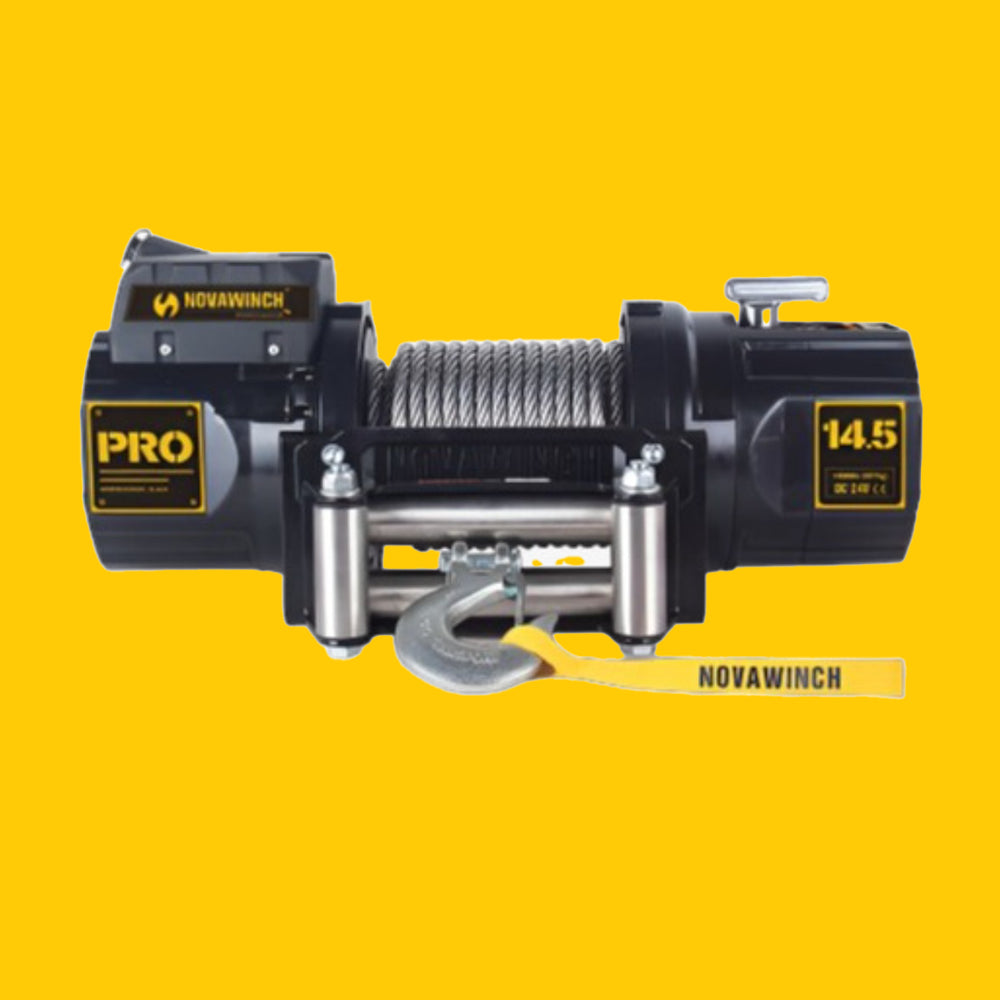
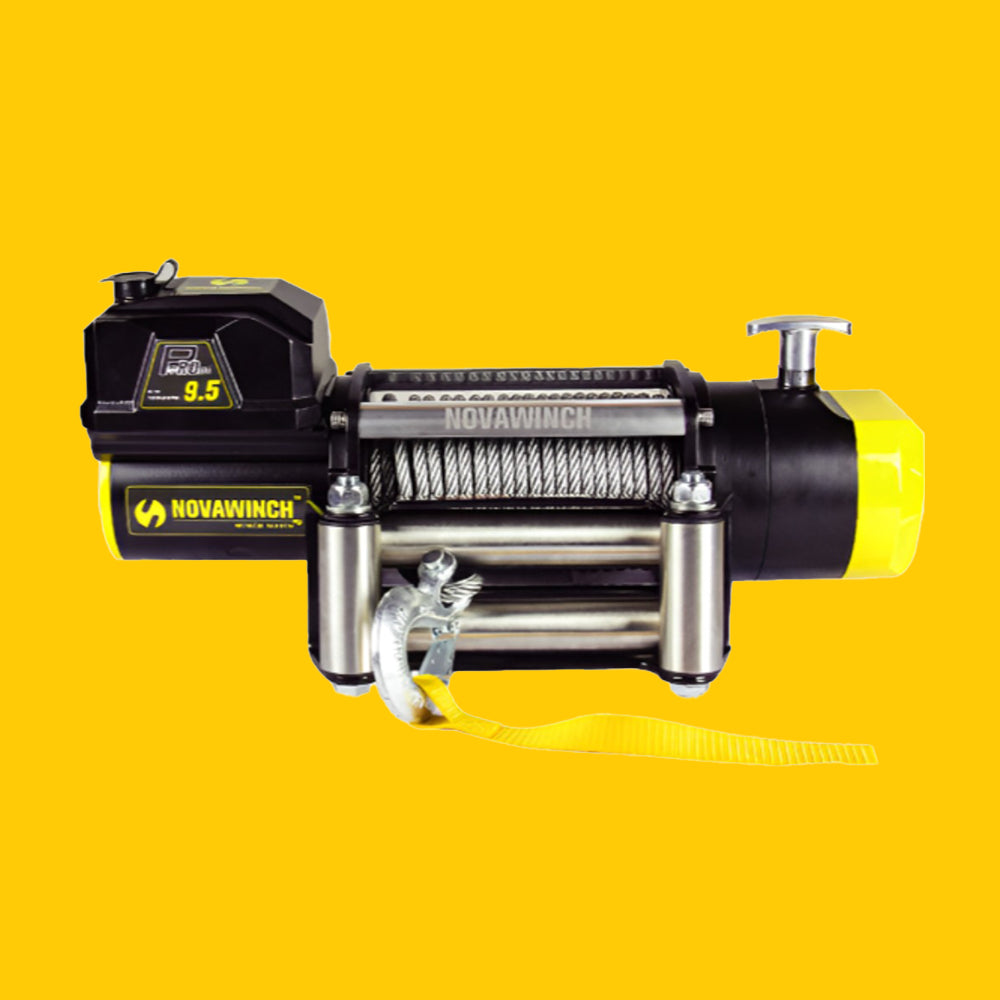
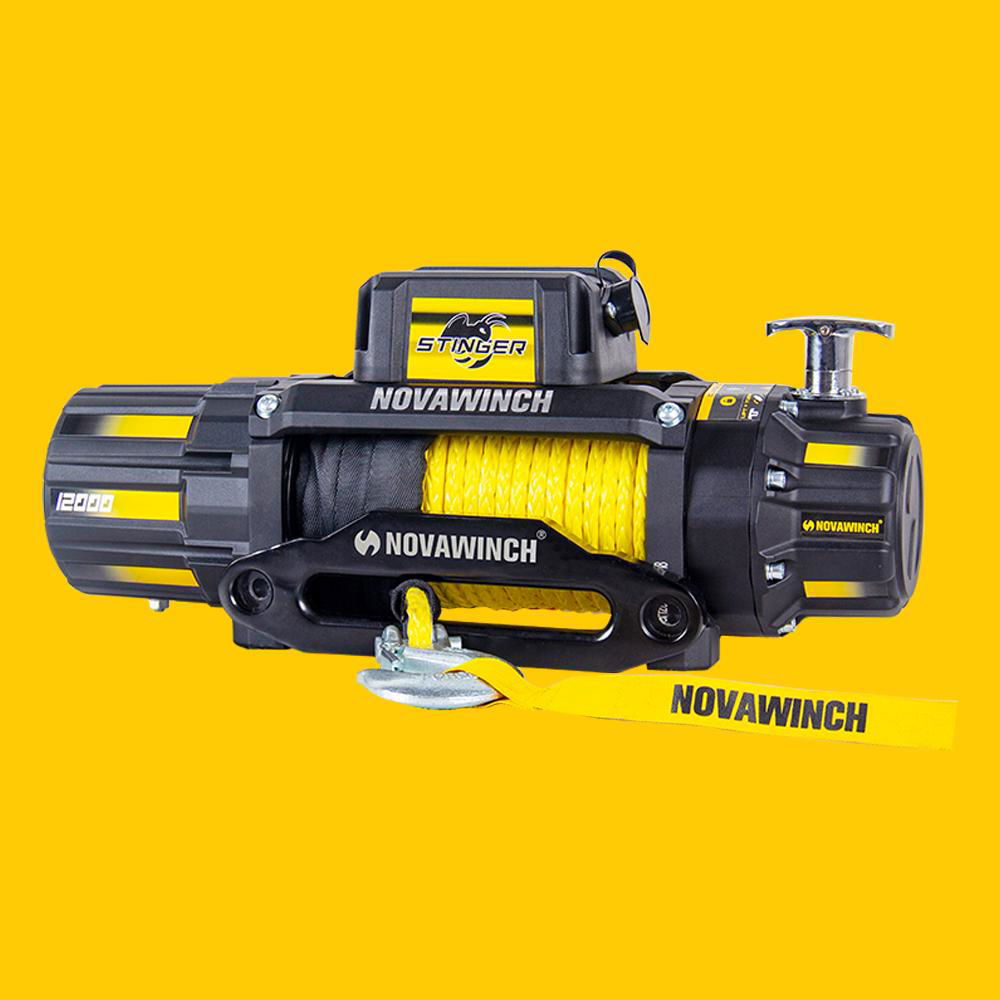
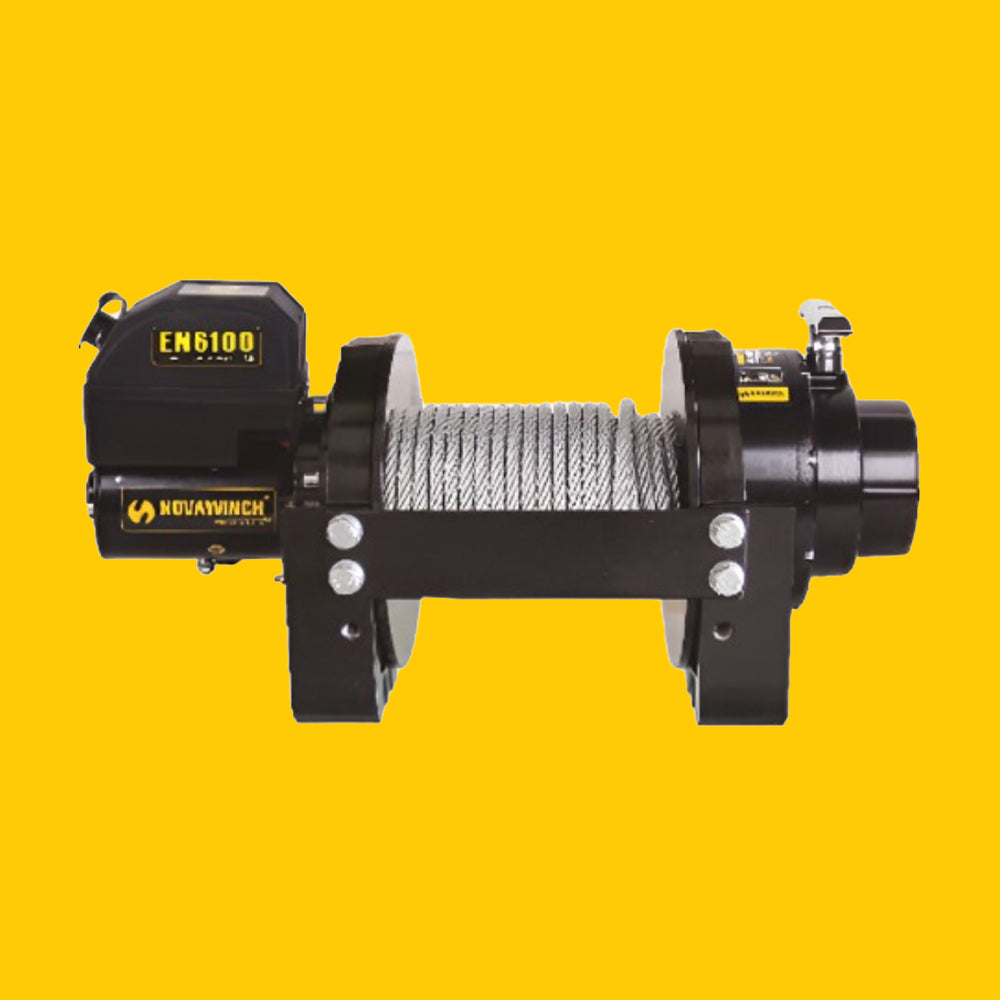
%20(1).jpg)



Synthetic vs Steel Winch Rope: Which to Choose?
Choosing between synthetic winch rope and steel cable is one of the biggest decisions when buying or upgrading a winch. Both pull your vehicle or load—but they behave differently on weight, safety, durability and maintenance. This guide compares them so you can decide which is right for your 4x4, ATV or recovery setup in the UK.
Steel Winch Cable: The Traditional Choice
Steel wire rope has been the standard on winches for decades. It’s made from galvanised or stainless steel strands wound into a cable.
Pros of Steel Cable
- Abrasion resistance – Holds up well against rocks, sharp edges and fairleads.
- Heat tolerance – Can handle more heat from the drum and long winching.
- Familiarity and cost – Often cheaper to buy as a replacement.
Cons of Steel Cable
- Weight – Much heavier than synthetic for the same strength.
- Safety – If it fails under load it can whip back; broken strands are sharp.
- Corrosion – Can rust over time, especially with salt or moisture.
- Stretch – Can develop permanent stretch with use.
Steel still makes sense if you want maximum abrasion resistance and don’t mind the weight.
Synthetic Winch Rope: Lighter and Safer
Synthetic winch rope is usually made from high-strength fibres such as Dyneema®. It’s widely used for 4x4 and recovery.
Pros of Synthetic Rope
- Weight – Much lighter than steel for the same breaking strength.
- Safety – If it breaks it tends to drop rather than recoil.
- No sharp strands – Safer to handle.
- Floats – Useful in water, mud and river crossings.
- No corrosion – Good for marine or coastal use.
Cons of Synthetic Rope
- Abrasion – More vulnerable to sharp edges; use sleeves and dampeners.
- UV and heat – Prolonged sun and drum heat can weaken it.
- Cost – Often more expensive than steel.
Synthetic is a strong choice for most 4x4 and ATV use where safety and handling matter.
Side-by-Side: What Matters Most?
| Steel cable | Synthetic rope | |
|---|---|---|
| Weight | Heavy | Light |
| Safety if it fails | Risk of recoil | Drops; lower recoil risk |
| Abrasion | Very good | Needs care; use dampener/sleeve |
| Heat | Tolerates heat well | Avoid excess heat and UV |
| Corrosion | Can rust | Not affected |
| Handling | Stiff; risk of sharp strands | Softer; no wire splinters |
| Floats | No | Yes |
| Cost | Often lower | Often higher |
Your choice depends on use: muddy trails and water favour synthetic; very abrasive or rocky conditions can favour steel.
When to Replace Your Winch Rope
Steel cable – Replace if you see broken or frayed strands, bird’s nests, kinks, significant rust, or crushed sections.
Synthetic rope – Replace if you see cuts, heavy abrasion, fuzziness, heat damage (melted or hardened spots), or UV damage (discolouration, brittleness). Inspect regularly and replace when in doubt.
Summary: Which Should You Choose?
Choose synthetic if you want lighter weight, safer failure behaviour, easier handling, and a rope that floats and doesn’t rust—especially for 4x4, ATV, boat trailers and general recovery.
Choose steel if you prioritise abrasion resistance and heat tolerance and accept the extra weight and need to inspect for wear and corrosion.
Many users run synthetic on the winch and keep a spare steel cable or second synthetic for backup.
Shop Winch Rope at Novawinch
Whether you’re fitting a new winch or replacing the rope, Novawinch stocks both synthetic winch rope and steel cable in a range of diameters and lengths, plus rope dampeners and fairleads. Browse our synthetic rope and winch ropes & cables to find the right option for your setup, with delivery across the UK.